A drum chipper vs disc chipper decision is not a minor purchasing detail. It determines how reliably a wood-processing line accepts raw material, how consistent the finished chips are, and where operating cost appears over years of production. A chipper that looks suitable on a specification sheet can become a bottleneck when it receives crooked logs, mixed green waste, wet branches, or variable sawmill residues.
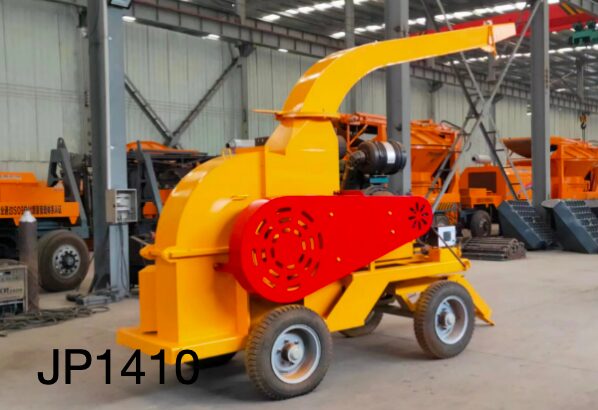
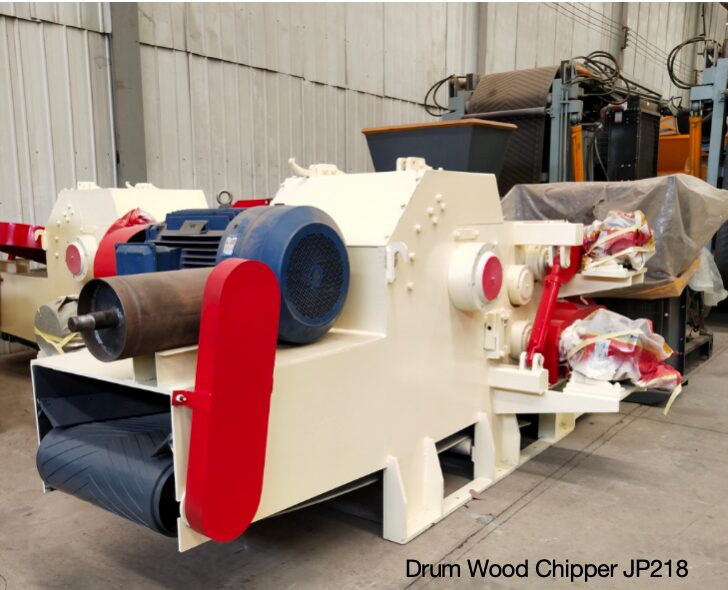
For biomass plants, board mills, wood chip producers, and recycling facilities, the correct choice starts with the feedstock and ends with the required chip specification. Drum chippers generally favor high-volume, variable material handling. Disc chippers are often selected when controlled chip geometry and clean wood processing are the priority. The best machine is the one matched to the complete process, including infeed, screening, conveying, storage, and downstream use.
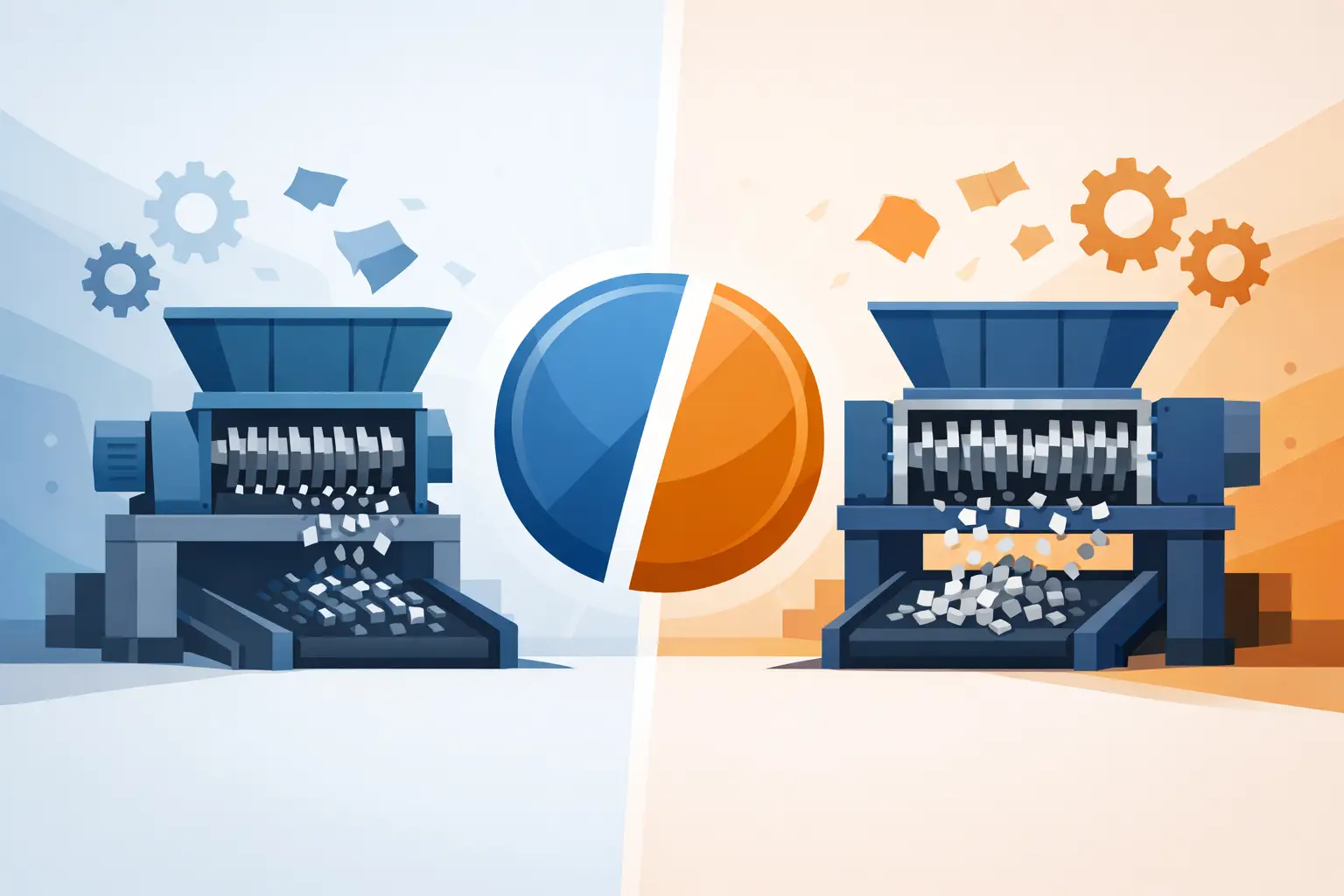
Drum Chipper vs Disc Chipper: The Core Difference
Both machines reduce wood into chips through rotating knives and a controlled cutting action. Their cutting geometry, however, is fundamentally different.
A drum chipper uses a cylindrical rotor fitted with knives. Material enters through a feed system and is presented continuously to the rotating drum. As the drum turns, its knives cut the wood against a stationary bed knife. The rotor’s broad cutting path and continuous feed make this design well suited to heavy, irregular, and high-volume feedstock.
A disc chipper uses a large rotating disc with knives installed across its face. Wood is fed toward the disc, and the knives slice material against an anvil or bed knife. The chip length is strongly influenced by knife position, feed speed, and the angle of the disc cutting arrangement. This design is commonly associated with uniform chips from logs, slabs, offcuts, and relatively clean wood residues.
Neither design is universally superior. The correct comparison is based on material condition, capacity target, chip quality tolerance, and the consequences of unplanned downtime.
When a Drum Chipper Is the Better Industrial Choice
Drum chippers are built for production environments where feedstock is inconsistent and throughput cannot be compromised. They are frequently installed in biomass fuel preparation lines, green waste recycling plants, wood recycling operations, and large-scale wood chip manufacturing systems.
High throughput with irregular feedstock
The drum rotor provides a long cutting area and a continuous processing action. This helps a properly sized machine handle branches, small-diameter logs, slab wood, bark-containing material, and other nonuniform pieces at substantial volume. Hydraulic feed rollers can grip and control material that would be difficult to feed consistently by hand or with a simple conveyor.
For facilities receiving truckloads of mixed woody material, this tolerance has direct value. Less manual sorting means lower labor demand and a more stable feeding rate. In applications where feedstock changes from hour to hour, a drum chipper can provide the operating flexibility that keeps the line moving.
Strong fit for biomass and fuel-chip preparation
Biomass systems do not always require the highly precise chip geometry expected by a pulp or premium board process. They need a manageable fuel size that conveys well, dries efficiently, and performs consistently in pellet, boiler, gasification, or further grinding stages. A drum chipper is often an effective front-end machine for this duty, especially when paired with a screen to remove oversize material before drying or milling.
Material moisture also matters. Green wood, freshly cut branches, and bark-heavy material can place high loads on the feeding and cutting system. A drum design with sufficient rotor mass, knife strength, drive power, and feed control is typically better positioned for demanding biomass preparation than a machine selected only for ideal dry logs.
Trade-offs to consider
Drum chippers can produce a wider chip-size distribution when processing highly variable material. Long fibers, fines, and occasional oversize pieces may increase depending on knife condition, feed setting, species, moisture, and screen configuration. If the downstream process demands narrow chip dimensions, the line may require screening, recirculation, or more disciplined feedstock preparation.
Knife access and rotor maintenance should also be reviewed before purchase. A high-capacity drum chipper is a serious industrial asset, and its service layout, bearing arrangement, hydraulic components, and knife-changing procedure affect real availability. Buyers should compare maintenance time, not just motor power and nameplate capacity.
When a Disc Chipper Delivers Better Results
Disc chippers are commonly chosen where chip uniformity has measurable value. This includes clean log chipping, sawmill residue processing, particleboard raw-material preparation, and applications where chip dimensions influence drying behavior, storage, or product quality.
More controlled chip geometry
The disc cutting action can create a cleaner, more consistent chip profile when the incoming wood is reasonably uniform. Straight logs, debarked roundwood, slabs, veneer waste, and consistent mill offcuts are ideal candidates. With the right knife configuration and feed system, a disc chipper can reduce variation in chip length and thickness.
This control matters when chips enter a process with tight operating windows. Uniform material moves more predictably through screens and conveyors, supports more even drying, and can improve consistency in downstream refining or board production. In some installations, cleaner chips also reduce the burden on secondary size-reduction equipment.
Efficient processing of prepared wood
A disc chipper performs best when the material has already been conditioned. Oversize logs should be within the machine’s accepted diameter range. Excessive dirt, stones, metal, and large root balls must be removed upstream. Very tangled green waste or heavily mixed demolition wood may require a shredder, grinder, or sorting stage before chipping.
This does not make disc chippers less capable. It means they are designed around a different operating discipline. When feedstock is controlled, their cutting precision can be a commercial advantage.
Trade-offs to consider
Disc chippers are generally less forgiving of extreme feed variation than drum chippers. Wide branches, crooked material, root-heavy wood, and heterogeneous waste can cause uneven feeding, higher wear, or reduced chip consistency. A facility that expects unpredictable supply may spend more time preparing material to protect the machine and maintain output.
The footprint and infeed arrangement also deserve attention. Depending on model and production capacity, a disc chipper may require a specific material orientation and a well-designed conveyor or feeding table. The plant layout must support that requirement without creating a new bottleneck.
Compare the Whole Process, Not Only the Chipper
A reliable purchasing decision begins with a representative material sample. Measure species, diameter range, moisture, contamination level, bark content, bulk density, and the percentage of branches, slabs, and irregular pieces. Then define the required throughput in tons per hour and the acceptable chip-size range at the discharge point.
Capacity figures require careful interpretation. A chipper rated for a certain volume under clean, uniform softwood conditions may produce very different results with wet hardwood, bark, or mixed green waste. Ask suppliers to state the assumptions behind capacity: material type, moisture, infeed dimensions, target chip size, motor power, and whether the figure reflects continuous production or peak output.
Downstream equipment often decides which chipper is most economical. A drum chipper feeding a rotary dryer and hammer mill can be an efficient biomass solution even if its raw chip distribution is broader. A disc chipper feeding a screen and board-material system may justify its feedstock requirements through tighter chip quality. Conveyors, magnetic separation, screening, dust collection, and storage should be engineered as one production line.
Key Specification Questions for Buyers
Before requesting a quotation, procurement teams and project engineers should provide the material profile and ask how the proposed machine addresses real operating conditions. Four questions are especially useful:
- What feedstock dimensions, moisture levels, and contamination limits can the machine accept continuously?
- What chip-size range is expected from the stated material, and what screen or recirculation equipment is recommended?
- How are knife changes, bed-knife adjustment, and rotor access handled during routine maintenance?
- What infeed, discharge, safety, and control equipment is required to achieve the target production rate?
Also evaluate wear parts and service support. Knife quality, counter-knife adjustment, bearings, feed roller surfaces, hydraulic systems, and electrical controls all influence cost per ton. A lower initial machine price can lose its advantage quickly if the design causes frequent stoppages or requires difficult maintenance.
Selecting the Right Chipping System
Choose a drum chipper when the priority is sustained throughput from variable, bulky, or irregular wood feedstock. It is usually the more practical choice for biomass fuel, green waste, forestry residues, and recycling lines where material preparation cannot be perfectly controlled.
Choose a disc chipper when the priority is chip uniformity from prepared, relatively clean wood. It is a strong option for log chipping, sawmill residues, and processes where consistent chip geometry supports product quality or downstream efficiency.
For complex projects, Zhengzhou Jinpeng Machinery Equipment can configure the chipper as part of a complete line with feeding, conveying, screening, drying, and further size reduction. Send material samples, production targets, and site constraints early in the evaluation process. The right chipper is not simply the larger machine – it is the machine that keeps your full operation producing saleable material at the required cost per ton.