A shredder is often the first machine to determine whether a recycling line runs predictably or becomes a bottleneck. The single shaft vs dual shaft decision affects feed method, output size, downstream equipment selection, labor requirements, and total operating cost. For industrial wood, biomass, solid waste, and tire processing, the right answer depends less on a machine label than on the material entering the hopper and the product leaving the line.
Single Shaft vs Dual Shaft: The Core Difference
A single-shaft shredder uses one rotor fitted with knives, working against a stationary counter knife. A hydraulic pusher moves material toward the rotor as the rotor removes material in controlled cuts. Most single-shaft designs discharge through a screen, which keeps oversize pieces in the cutting chamber until they reach the required size.
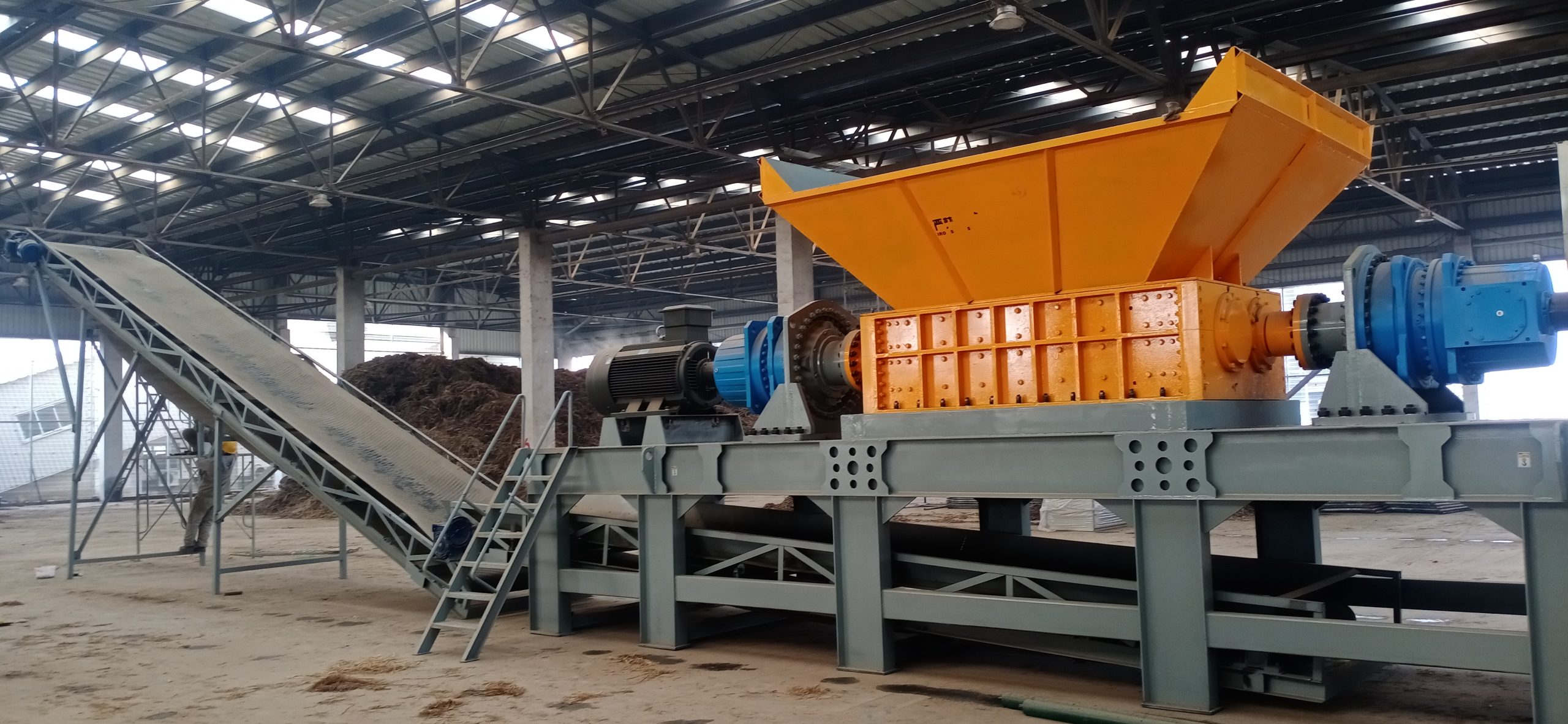
A dual-shaft shredder uses two counter-rotating shafts with intermeshing cutting discs or hooks. Material is gripped, pulled downward, torn, and sheared between the shafts. Because the machine generally operates at low speed and high torque, it is highly effective for bulky, difficult, and irregular feedstock. Many dual-shaft machines discharge material once it passes through the cutting zone, without a sizing screen.
That mechanical difference creates the practical distinction: a single-shaft shredder is usually selected when output size control matters, while a dual-shaft shredder is usually selected when aggressive primary reduction and difficult material intake matter most.
When a Single-Shaft Shredder Is the Better Choice
Single-shaft shredders are designed for controlled size reduction. The rotor knife configuration, counter knife adjustment, screen perforation, rotor speed, and pusher pressure can be matched to a defined output requirement. This makes the machine suitable when shredded material must feed a granulator, hammer mill, fine grinder, pelletizing system, RDF production line, or other process that has a maximum particle-size limit.
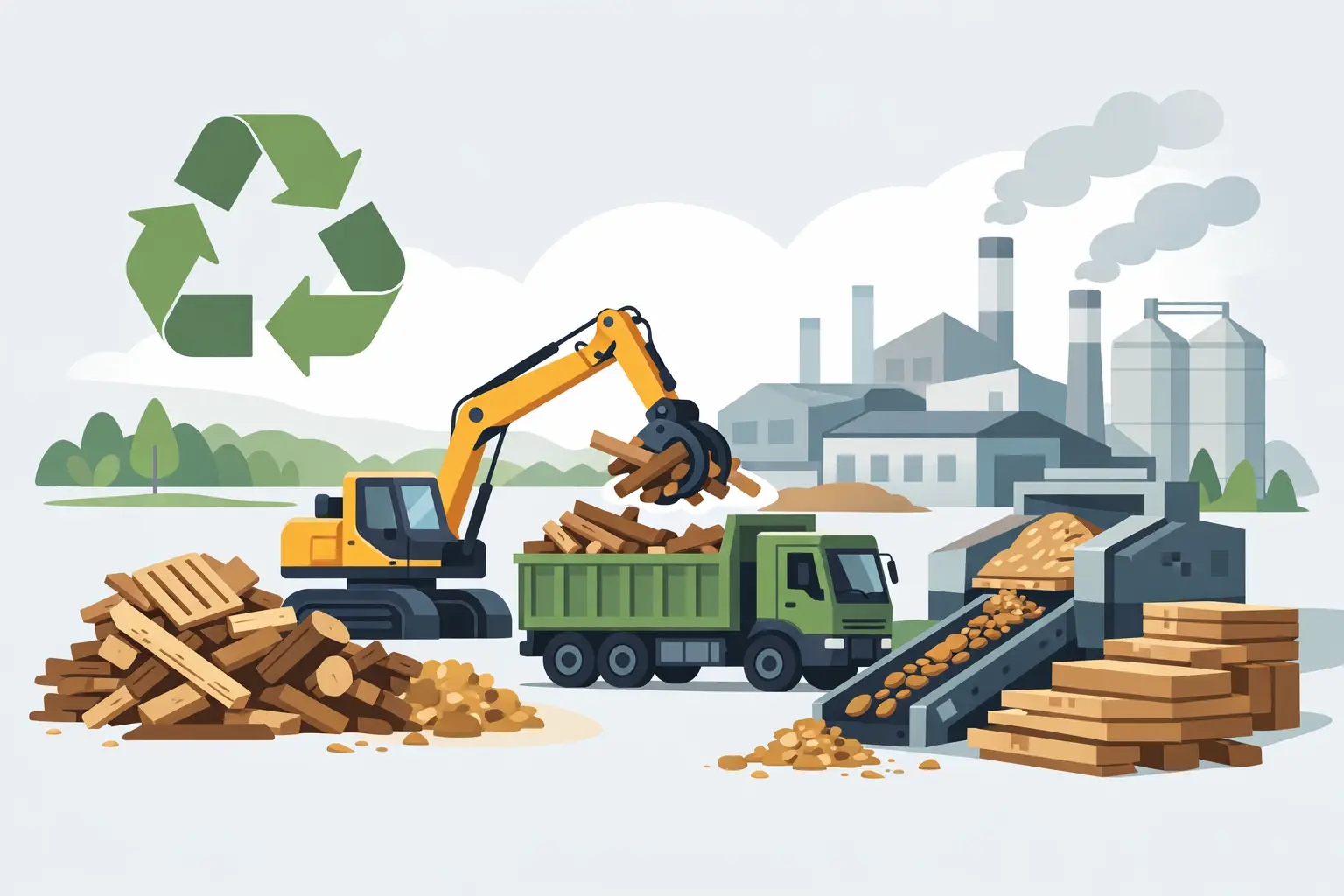
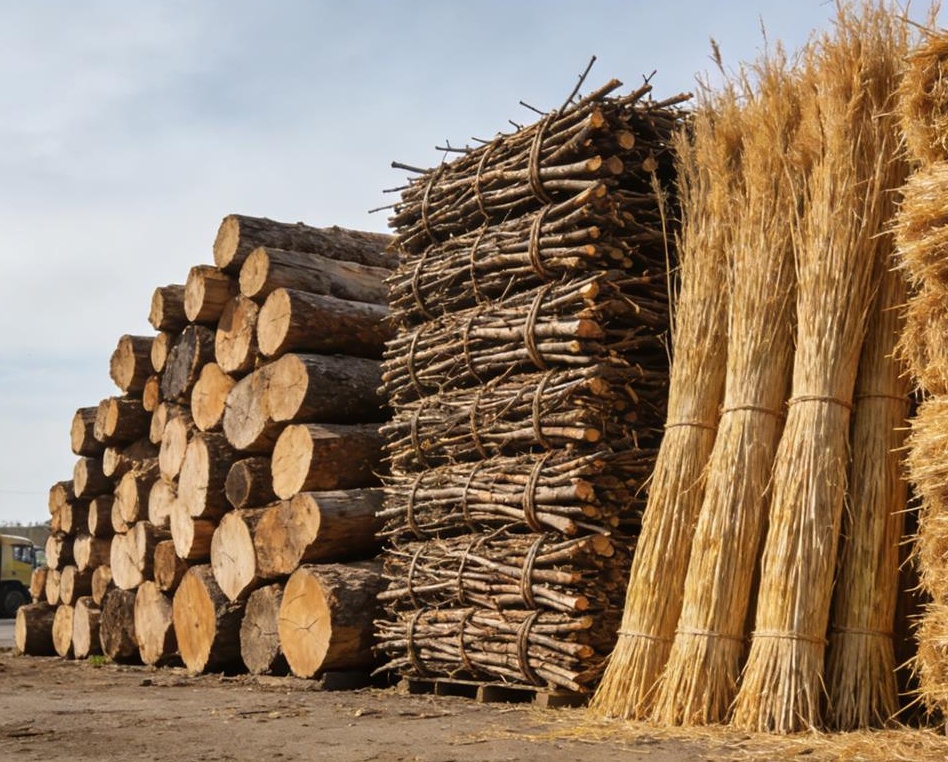
For wood waste, a single-shaft unit can process pallets, furniture offcuts, wood scraps, particleboard, MDF, plywood, and packaging waste into a more consistent fraction. In biomass preparation, that consistency improves the performance of downstream grinding and drying equipment. A stable particle range also supports more even conveying, storage, combustion, and densification.
The hydraulic pusher is especially valuable with light, hollow, or awkward-shaped material. Instead of relying only on gravity and the cutting shafts to catch the feedstock, the pusher keeps material engaged with the rotor. This can improve cutting continuity when processing plastic film, woven bags, paper, agricultural waste, wood panels, and mixed commercial waste with a relatively uniform composition.
Single-shaft machines do have limits. Large, extremely dense, or heavily contaminated feedstock can reduce production if the material does not enter the cutting zone efficiently. The screen also adds a recirculation effect: material remains inside until it reaches the target size. That is an advantage for output control, but it can reduce hourly throughput compared with a primary dual-shaft shredder handling the same unprocessed material.
Output Size Is the Main Advantage
A screen is not a minor feature. It is the component that changes a shredder from a bulk-reduction machine into a sizing machine. Smaller screen openings produce a finer output, but they also require more cutting action and more energy per ton. Larger openings increase capacity but create a coarser product.
Plant engineers should specify the actual downstream acceptance size rather than automatically choosing the finest possible screen. If a hammer mill can accept 50 mm material, designing the primary shredder for 20 mm output may add unnecessary wear, energy use, and processing time. The best line design assigns each machine a clear reduction stage.
When a Dual-Shaft Shredder Is the Better Choice
Dual-shaft shredders are primary reduction machines for difficult feedstock. Their high-torque, low-speed cutting action is suited to large volumes of material that are bulky, dense, tangled, or inconsistent in shape. Typical applications include municipal solid waste, industrial waste, tires, tire beads, mattresses, plastic drums, IBC containers, metal-containing waste, bulky wood waste, and demolition debris.
The two shafts pull material into the cutter set rather than requiring a hydraulic pusher. This makes dual-shaft equipment particularly effective when loading material by grab crane, belt conveyor, wheel loader, or hopper. It can accept broad, irregular feedstock that would be difficult to meter into a more controlled cutting chamber.
For tire recycling, a dual-shaft shredder is commonly used as the first stage. It reduces whole tires, truck tires, and tire bales into rough strips or chips before screening, magnetic separation, secondary shredding, granulation, or rubber pulverizing. The same logic applies to RDF and SRF plants: the dual-shaft machine breaks down incoming waste, then downstream equipment refines the fraction to the required fuel specification.
Its output is usually less uniform than that of a screened single-shaft shredder. Cutter width, hook profile, shaft speed, and cutter spacing influence particle dimensions, but they do not provide the same retention-based sizing control. A dual-shaft shredder may therefore need a secondary shredder, screen, or grinder when the final product must meet a narrow size range.
High Torque Changes the Feedstock Equation
Low-speed, high-torque operation offers an important advantage with contaminated or metal-bearing material. A properly configured dual-shaft shredder can tear and shear feedstock with lower rotor speed, reducing the impact-related wear associated with high-speed size reduction. Reversing control helps clear jams when material bridges or wraps around the cutters.
This does not mean a dual-shaft shredder is immune to damage. Large unshreddable steel pieces, concrete blocks, oversized shafts, and unknown contaminants still require feed inspection and protection strategy. For mixed waste plants, an upstream sorting process, magnetic separation where appropriate, and operator procedures remain essential to protect the cutting system.
Capacity, Energy, and Maintenance Trade-Offs
Comparing capacity only by nameplate motor power can lead to an incorrect purchase decision. Actual throughput depends on bulk density, feed size, moisture, contamination, required output size, loading consistency, and the number of cuts needed to reach specification.
A dual-shaft machine may achieve a higher intake rate on bulky waste because it can accept large pieces and discharge coarse material quickly. A single-shaft unit may deliver fewer tons per hour in that first stage, but it can provide a more consistent output that eliminates or reduces a later reduction step. The better system is the one that meets the required finished-product specification at the lowest practical cost per ton.
Energy demand follows the same principle. Fine screening and repeated cutting consume energy. If the process requires a controlled 30 mm fraction, that energy is necessary somewhere in the line. If the process only needs material broken down enough for transport or sorting, a coarse dual-shaft pass may be the more efficient solution.
Maintenance planning should focus on cutter access, knife rotation or replacement, screen change time, hydraulic component service, bearing protection, and control system diagnostics. Single-shaft shredders require attention to rotor knives, stationary knives, screens, and pusher wear components. Dual-shaft shredders require cutter stack inspection, shaft alignment checks, seal condition monitoring, and removal of wrapped material when processing films, textiles, or wire-containing feedstock.
For either machine type, knife material and cutter geometry must match the feedstock. Wood, rigid plastics, municipal waste, tires, and metal-containing scrap do not place the same loads on the cutting system. Selecting a standard configuration without reviewing material samples can create avoidable downtime and poor output quality.
How to Specify the Right Shredder for Your Line
Start with the incoming material, not the preferred equipment type. Define the largest feed dimensions, average bulk density, moisture level, contaminants, metal content, daily volume, and expected variation between loads. A machine that performs well on clean production scrap may not perform the same way on mixed post-consumer waste.
Next, define the output requirement in measurable terms. State the target particle range, maximum oversize percentage, throughput per hour, operating hours per day, and the downstream machine or end use. If material will be used for RDF, biomass fuel, wood chip preparation, rubber crumb production, or landfill diversion, the final specification should guide the shredding stages.
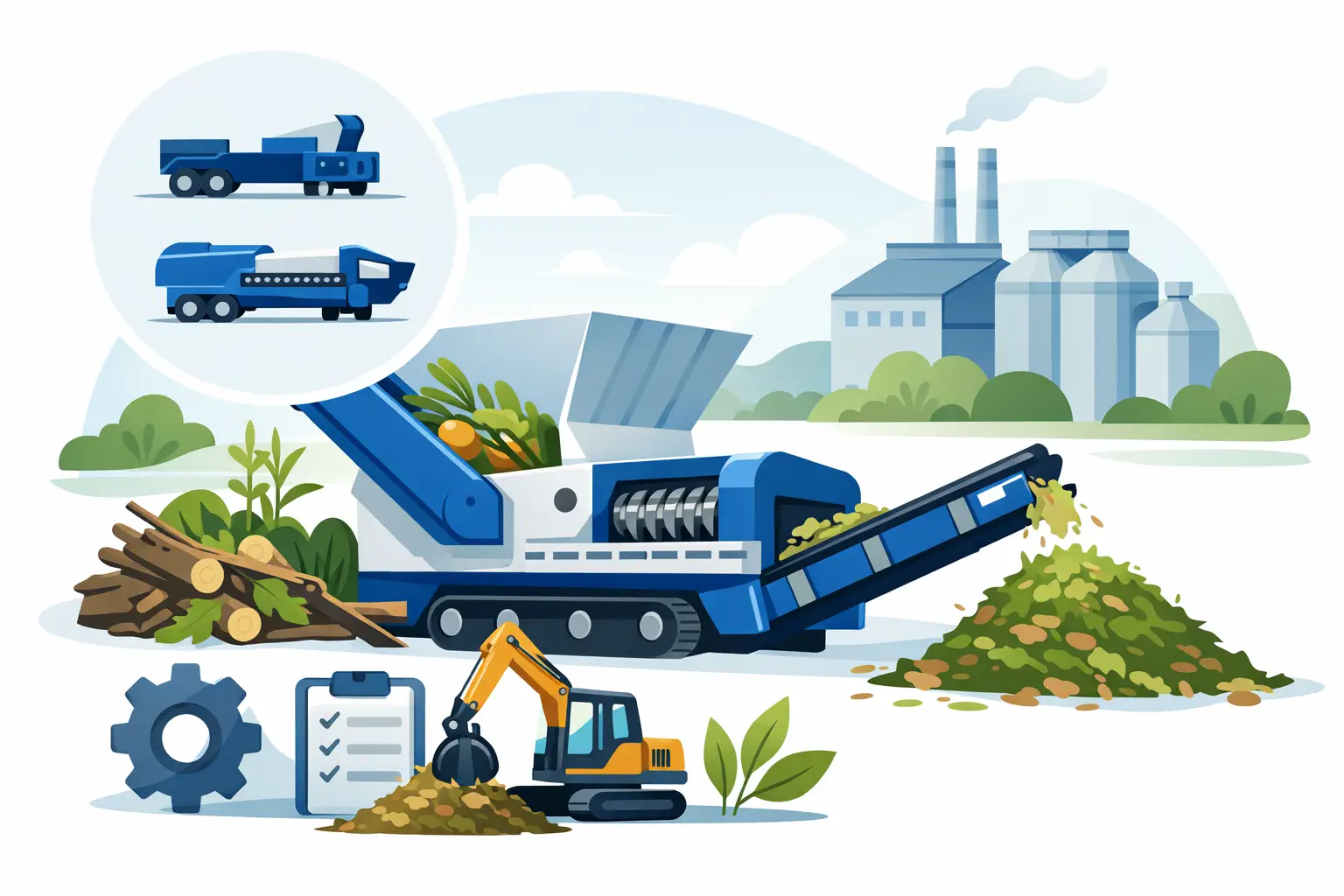
Then evaluate the complete material flow. A shredder needs suitable infeed equipment, discharge conveying, metal separation where needed, screening, dust control, and control integration. In high-capacity projects, system design often matters more than choosing the largest standalone machine. A properly matched line avoids starving downstream equipment and prevents oversized material from circulating through the plant.
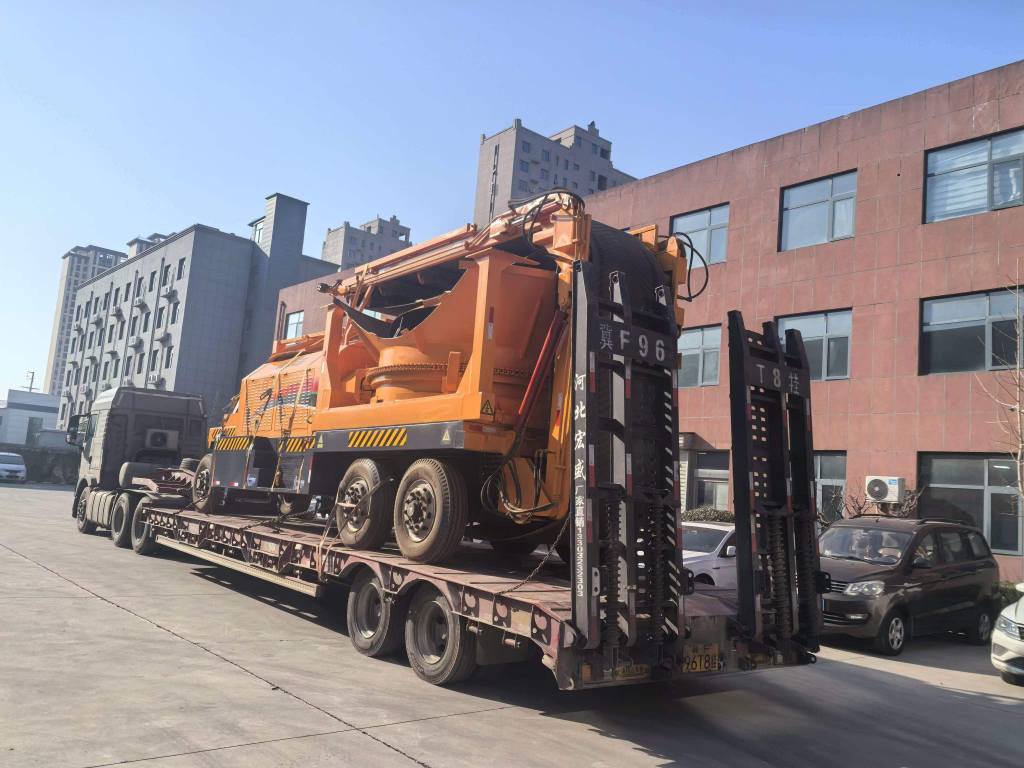
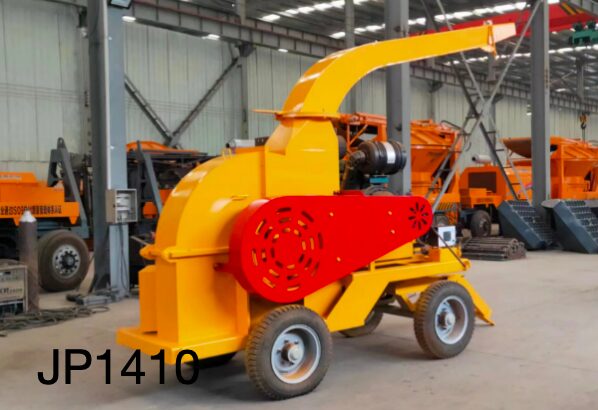
Zhengzhou Jinpeng Machinery Equipment can configure single-shaft and dual-shaft shredding systems with related crushing, screening, conveying, drying, and recycling equipment for application-specific processing lines. For export projects, confirm utility requirements, container loading limits, spare-parts planning, commissioning support, and required documentation before finalizing the equipment scope.
Choose the Machine That Fits the Process
Select a single-shaft shredder when controlled particle size, screened discharge, and consistent preparation for downstream processing are the priority. Select a dual-shaft shredder when the line must accept bulky, irregular, high-volume, or difficult material and reduce it efficiently in a primary stage. In many industrial plants, the strongest solution is not one or the other, but a dual-shaft primary shredder followed by a single-shaft secondary shredder or grinder.
The most useful next step is to test representative feedstock and evaluate the finished material, not just the machine’s initial cutting action. A shredder selection based on real samples, target output, and full-line capacity will produce a system that keeps moving when production conditions become less predictable.