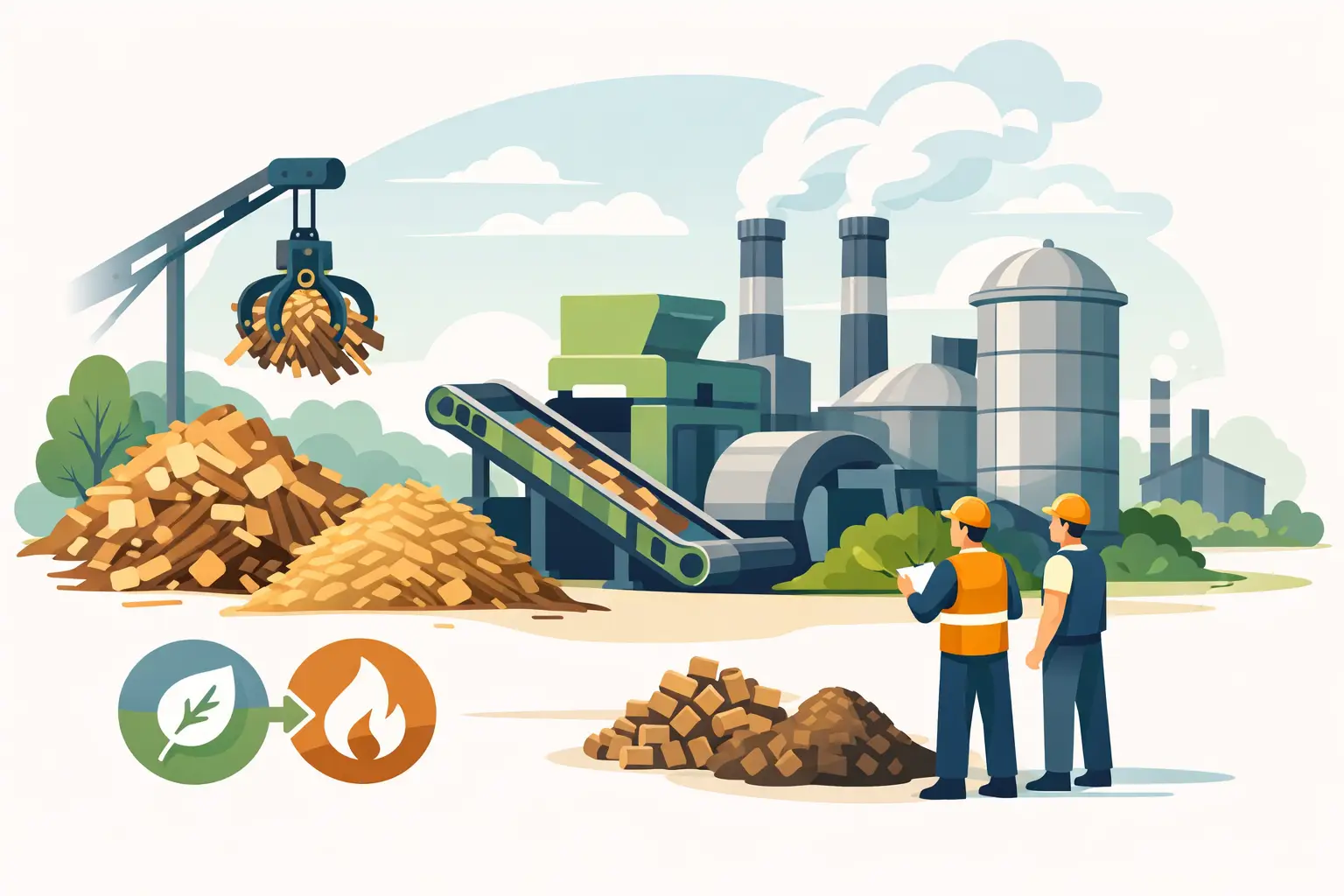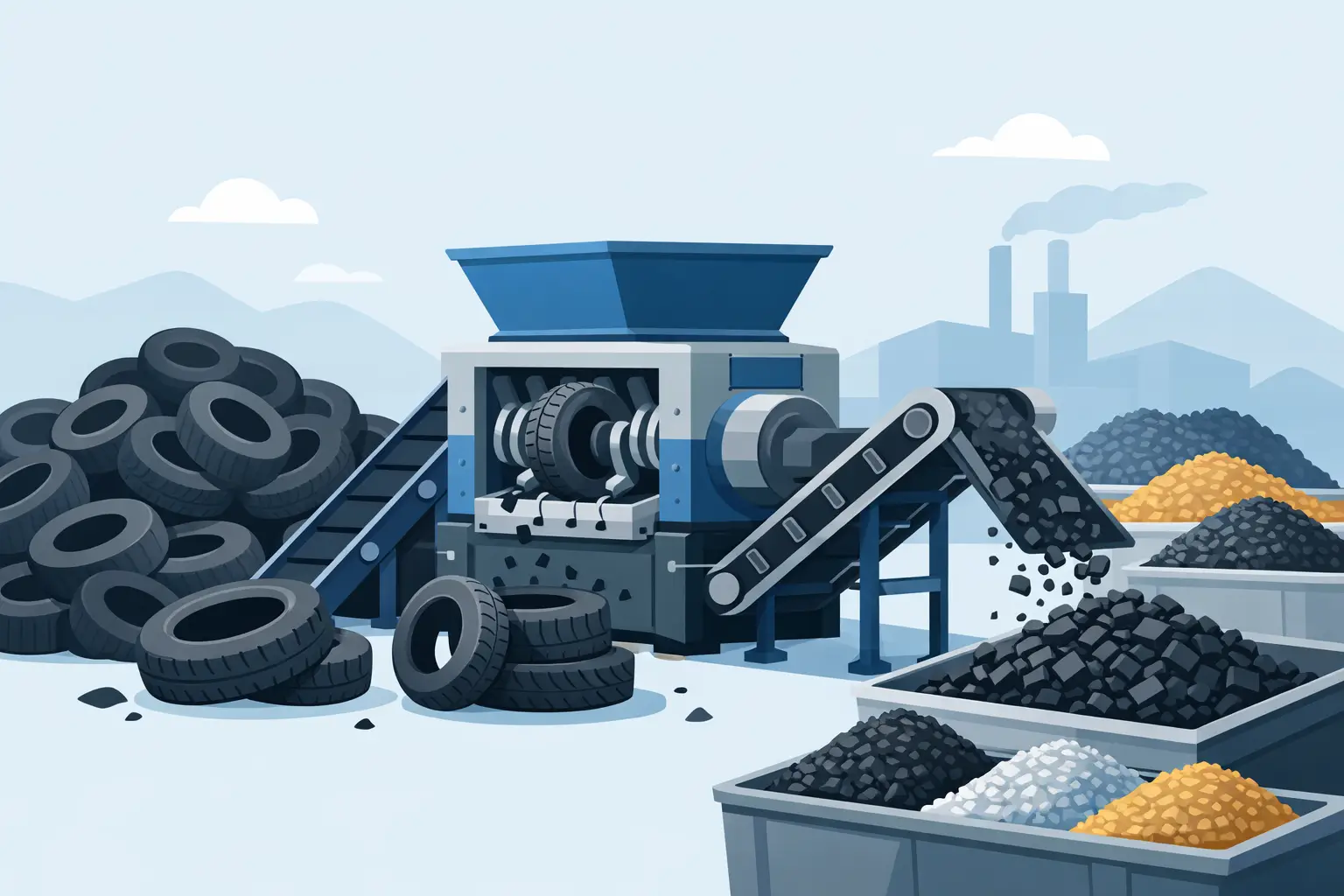
A truckload of mixed pallets, offcuts, crates, and demolition timber can either become a revenue stream or a disposal problem by the end of the shift. That is the practical value of a waste wood recycling guide: not theory, but a clear path for turning bulky, inconsistent wood waste into sellable chips, biomass fuel, panel feedstock, or RDF/SRF input with controlled operating cost.
For industrial processors, the challenge is rarely “can wood be recycled?” The real question is whether the material can be processed at the required throughput, with acceptable wear cost, stable output size, and minimal downtime. That depends on feedstock quality, contamination level, moisture, and the way the line is engineered from infeed to final discharge.
What a waste wood recycling guide should solve
A useful waste wood recycling guide starts with plant realities. Waste wood is not one material class. It may include clean factory offcuts, used pallets with nails, construction timber with paint and laminates, green waste mixed with branches, or municipal bulky waste containing wood fractions. Each stream behaves differently in shredding, chipping, screening, and drying.
Clean wood from sawmills or furniture plants is usually the simplest to process. It has lower contamination, more predictable size, and better suitability for biomass fuel or board production. Post-consumer wood is more demanding. Metal, stones, plastics, and textiles increase wear and make output control more difficult. In those applications, equipment selection is less about one machine and more about a complete preparation system.
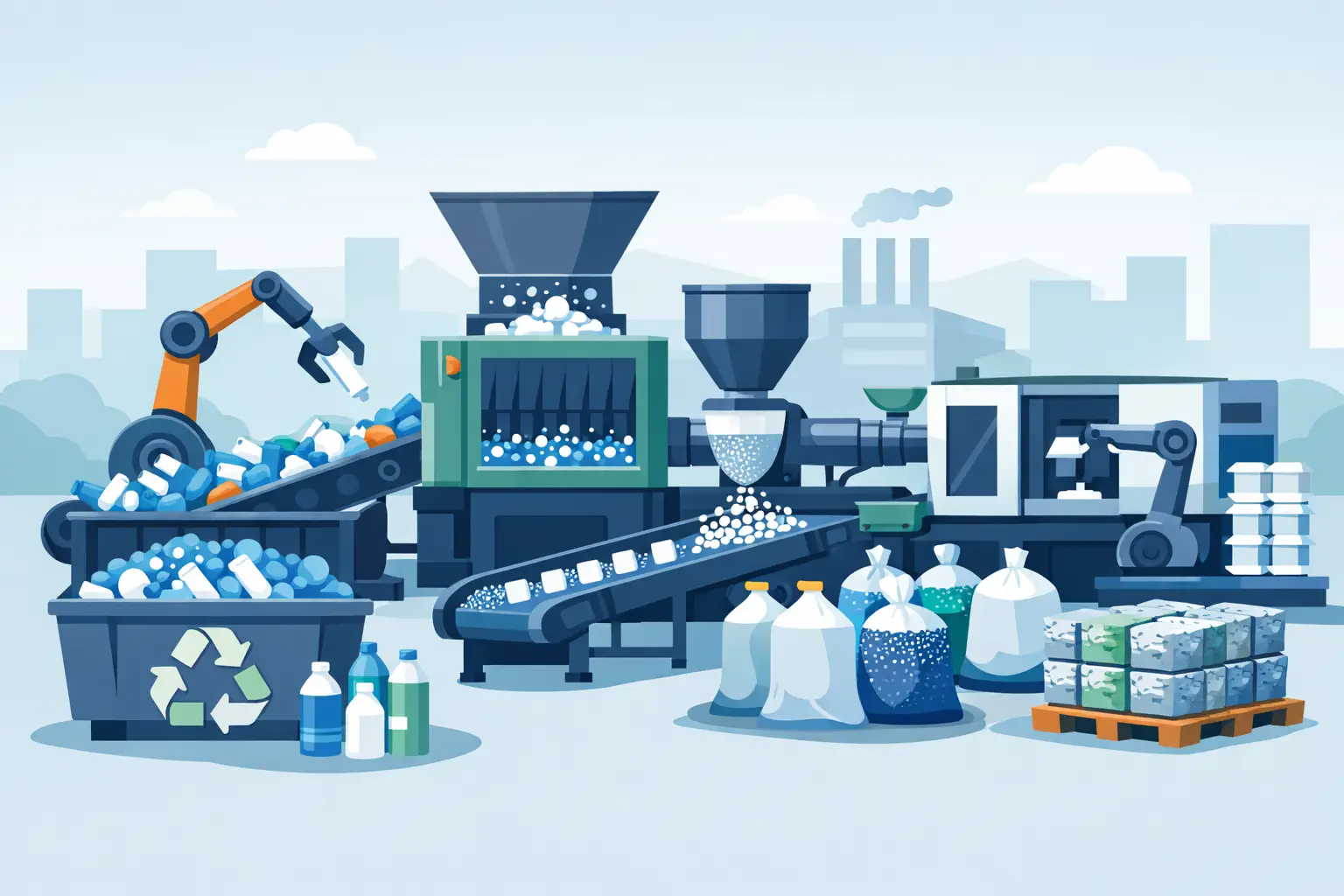
The commercial target also matters. If the end product is boiler fuel, the plant may prioritize throughput and broad particle tolerance. If the output is wood chips for panelboard or animal bedding raw material, size consistency becomes more critical. If the goal is RDF/SRF preparation, the line must manage mixed combustible fractions, not just wood.
Start with feedstock classification
Before selecting machinery, define the incoming material in operational terms. Procurement teams and project engineers should document average bulk density, maximum piece size, contamination profile, moisture range, and target throughput per hour. Without this step, equipment can be oversized, undersized, or simply mismatched to the application.
There are three broad feedstock scenarios. The first is clean industrial wood waste such as trims, slabs, veneers, and packaging wood. The second is mixed commercial wood waste including pallets, crates, and production scrap with fasteners. The third is heavily contaminated waste wood from C&D, transfer stations, or municipal recycling operations. The further you move from clean wood, the more the line needs heavy-duty shredding, tramp removal, and staged size reduction rather than direct chipping.
This is where many projects lose efficiency. A chipper performs well on suitable wood geometry, but if the plant feeds oversize, contaminated, or tangled material directly into a chipper, knife wear climbs fast and unplanned stoppages follow. In tougher streams, a shredder-first approach is often the safer design.
Core process stages in waste wood recycling
Most industrial waste wood recycling systems follow the same logic even when layouts vary. Material is received and inspected, pre-sorted, reduced in size, screened, cleaned of contaminants, and in some cases dried before storage or downstream use.
Pre-sorting and infeed control
Manual and mechanical pre-sorting still matter. Removing oversized metal, concrete, and non-wood bulky items before the primary machine protects downstream equipment. A controlled infeed system also stabilizes capacity. Surges reduce efficiency and increase wear, especially when the material stream alternates between light green waste and dense pallet blocks.
For consistent plant operation, infeed conveyors, metering devices, and hopper design should be treated as part of the production system, not accessories. Poor feeding can make a high-capacity machine look underperforming.
Primary size reduction
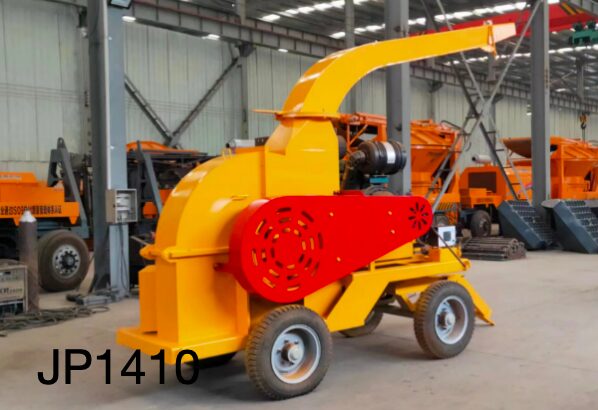
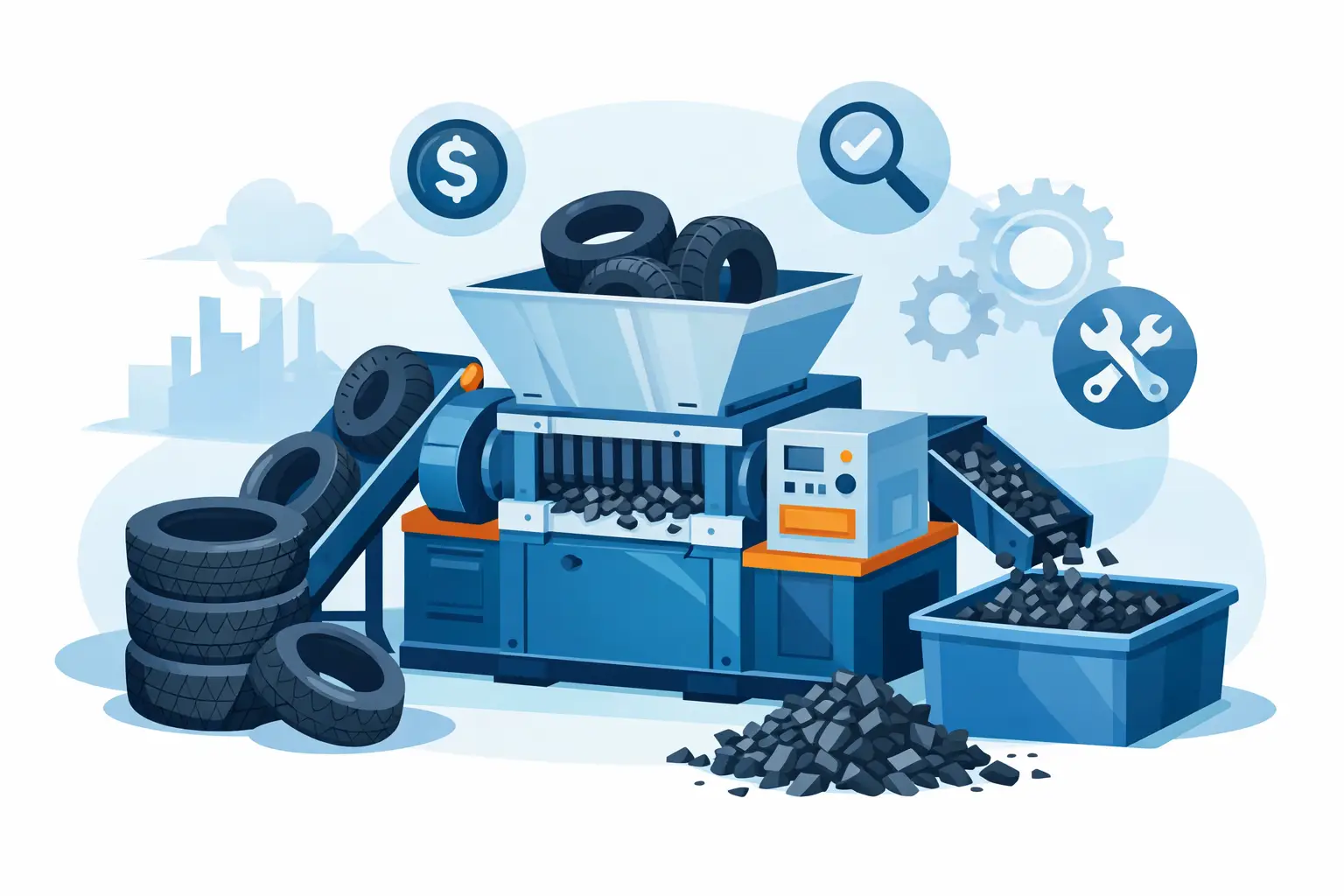
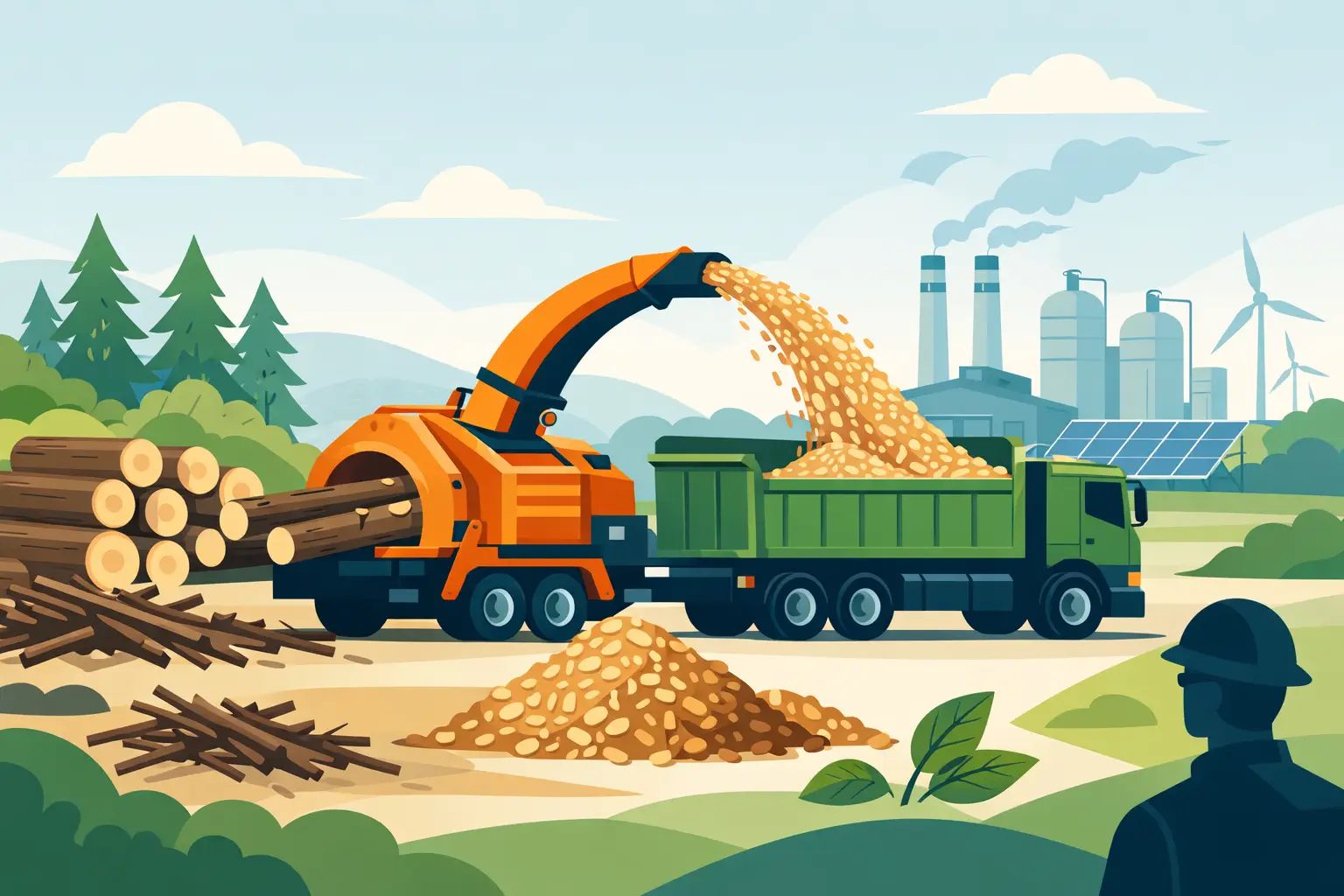
Primary reduction depends on the feedstock. Disc wood chippers and drum chippers are effective for cleaner wood streams, logs, slabs, and regular geometry material where chip quality is important. For mixed pallets, crates, waste furniture, and contaminated wood, single-shaft or dual-shaft shredders are often the better first stage because they tolerate irregular shapes and embedded contaminants more effectively.
The trade-off is straightforward. Chippers generally produce a cleaner and more uniform chip in suitable applications, but they demand better feed preparation. Shredders accept more difficult feedstock, though output may require a second reduction stage to meet a tighter specification.
Secondary grinding and sizing
If the target product requires smaller or more uniform output, a horizontal grinder or fine wood grinder mill can follow the primary machine. This stage is common in biomass fuel preparation, board raw material production, and certain alternative fuel applications. The objective is not simply to make material smaller. It is to create stable particle distribution that improves combustion, drying efficiency, storage behavior, or downstream blending.
Screening and contaminant removal
Screening is where product quality becomes measurable. Trommel screens and flip-flow screening machines separate oversize from acceptable fractions and reduce the volume of off-spec material leaving the line. In mixed waste wood applications, magnetic separation and other contaminant removal steps should be integrated where needed.
Skipping proper screening is a false economy. Plants may gain short-term throughput, but they lose product value and create problems in storage, transport, and end use.
Drying when moisture affects value
Not every waste wood line needs drying, but many biomass and fuel projects do. High moisture lowers calorific value, increases transport cost per usable ton, and reduces storage stability. Rotary dryers are typically used where throughput is high and the downstream market requires more controlled moisture.
Drying adds capital and operating cost, so the decision should be tied to product economics. If the market accepts green chips, drying may not pay back. If the line supplies industrial boilers, pellet preparation, or engineered biomass fuel, moisture control often justifies the investment.
Choosing machinery for the real application
The right machine is the one that matches the feedstock, capacity target, and finished product standard under daily operating conditions. Buyers should look beyond nominal throughput figures and ask what material those figures are based on. Clean softwood offcuts and mixed demolition wood do not generate the same production result.
Rotor design, knife or hammer configuration, screen opening, shaft speed, discharge method, and wear protection all affect performance. So do service access and maintenance time. A machine with strong capacity on paper may become expensive if knife changes are slow or if contamination causes frequent stoppages.
For that reason, many industrial buyers now favor integrated systems instead of isolated equipment purchases. A complete line designed around the material flow reduces handling losses and improves balance across shredding, screening, and drying stages. Zhengzhou Jinpeng Machinery Equipment Co., Ltd. supplies this kind of application-based configuration across wood, biomass, and solid waste processing, which is often the deciding factor in export projects where uptime and support cannot be left to trial and error.
Common mistakes in waste wood recycling projects
One common mistake is designing for peak capacity without considering feedstock variability. Another is underestimating contamination and choosing equipment built for cleaner material than the site actually receives. A third is focusing on the main machine while neglecting conveyors, metal separation, discharge arrangement, and storage handling.
There is also a recurring quality mistake: specifying final output too loosely at the start of the project. If buyers say they need “small chips” or “fuel material” without defining particle range, moisture target, and contamination limit, the line may be built around assumptions that do not support the end market.
It also depends on labor strategy. Some plants can support manual pre-sorting to protect machinery. Others need higher automation because labor cost or labor availability makes manual intervention impractical. That changes the equipment layout and the capital budget.
How to evaluate line performance
A high-performing waste wood recycling plant does more than process tons per hour. It delivers usable tons per hour at a controlled specification. That means buyers should measure throughput together with power consumption, wear rate, downtime, reject percentage, and final product consistency.
The lowest-cost system upfront is not always the lowest-cost system over three years. Heavy-duty machinery with stronger wear protection, better rotor access, and more stable screening can reduce total operating cost even if the initial investment is higher. For B2B buyers, that is usually the more relevant calculation.
Waste wood recycling guide for scaling profitably
A waste wood recycling guide should end where investment decisions begin – with line design around the output market. If the business case is biomass fuel, engineer for stable fuel fraction and moisture control. If the target is wood chip supply, protect chip quality from the first reduction stage. If the feedstock is highly variable, build tolerance into the system with shredding, screening, and contaminant removal instead of expecting one machine to solve every problem.
The strongest projects are not built around a catalog model. They are built around material testing, process logic, and realistic operating conditions. When waste wood is processed with that level of discipline, it stops being a disposal burden and becomes a consistent industrial raw material with measurable value.