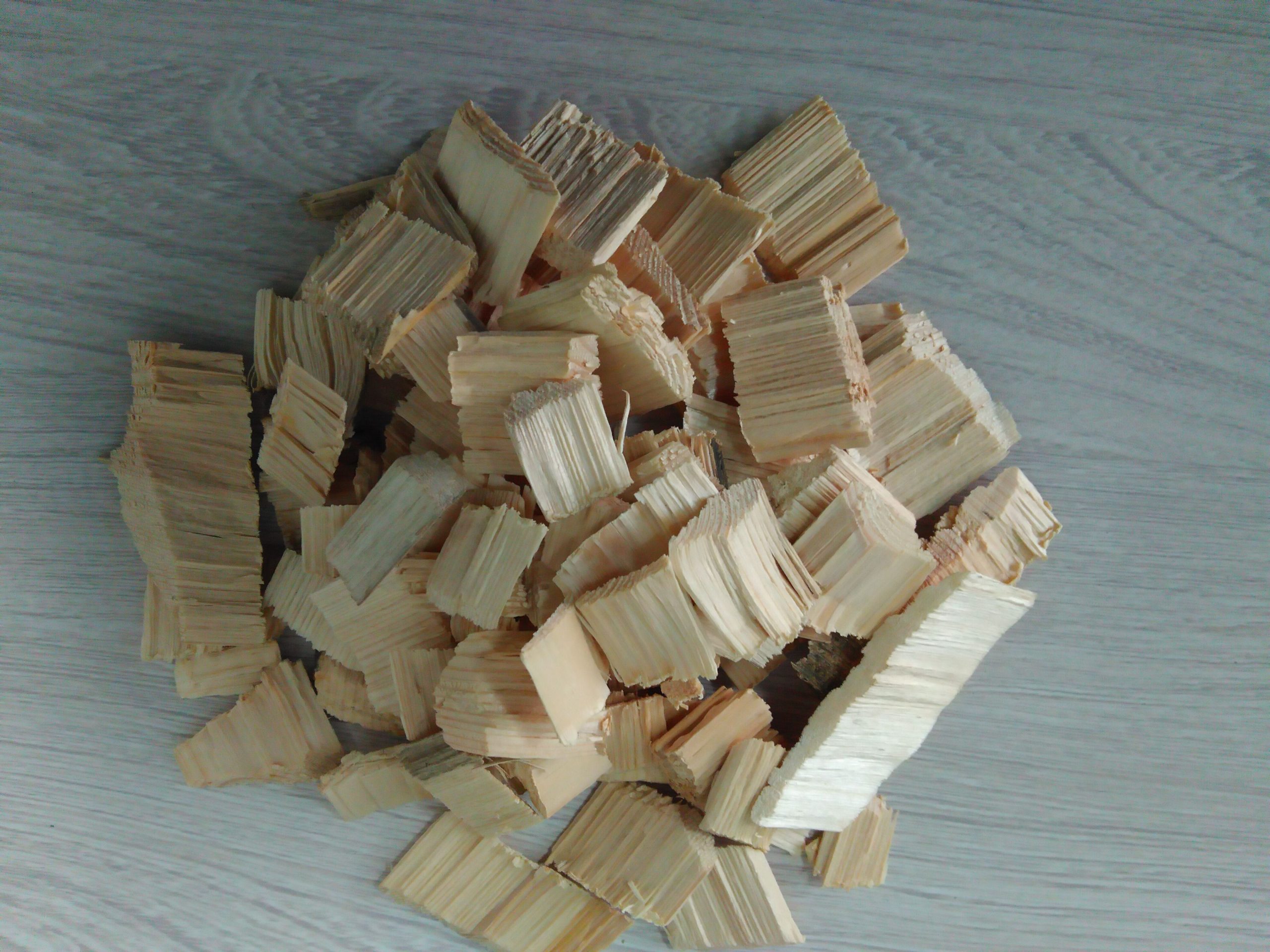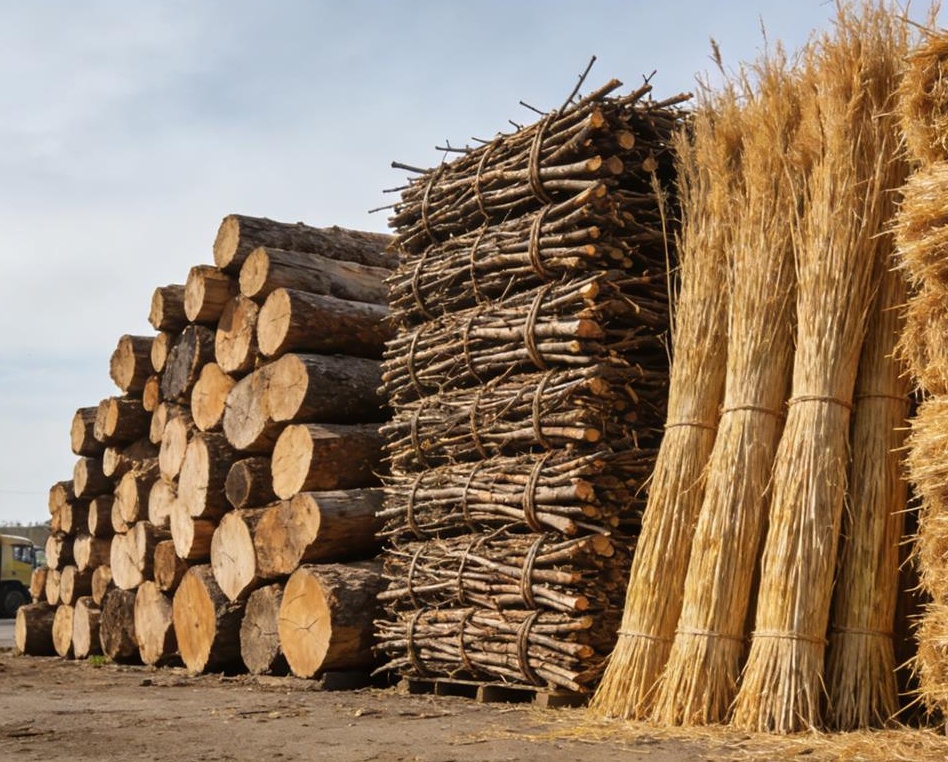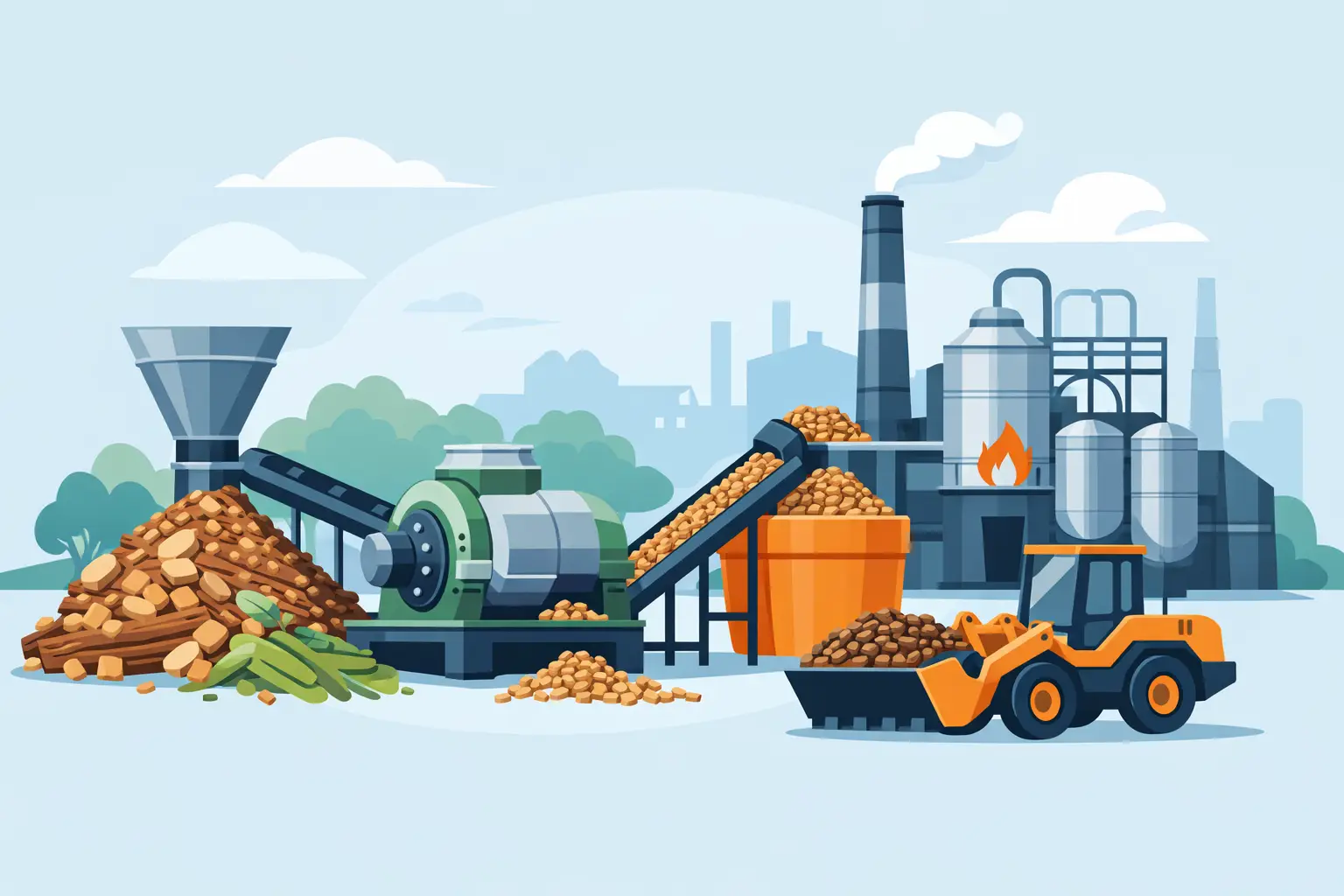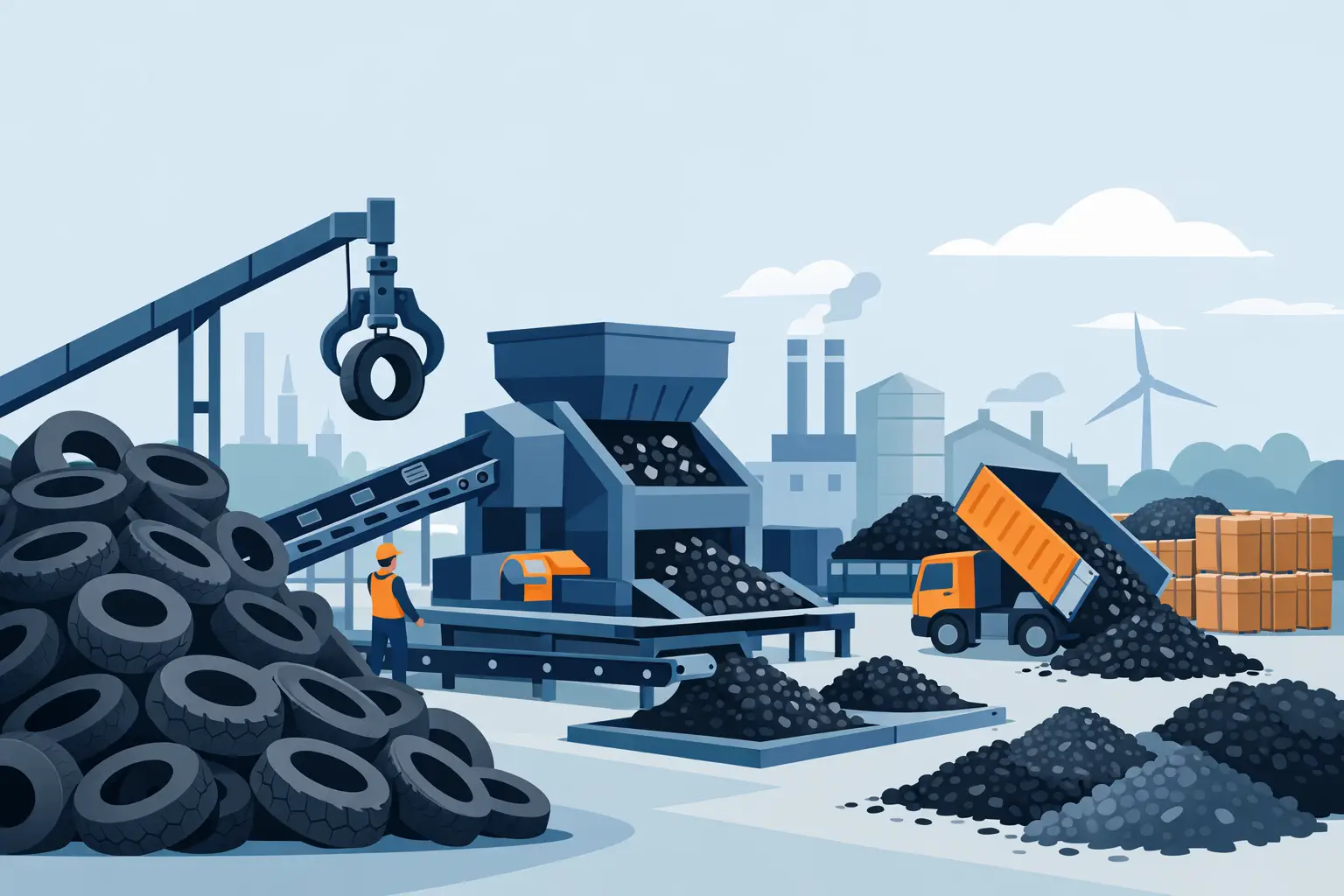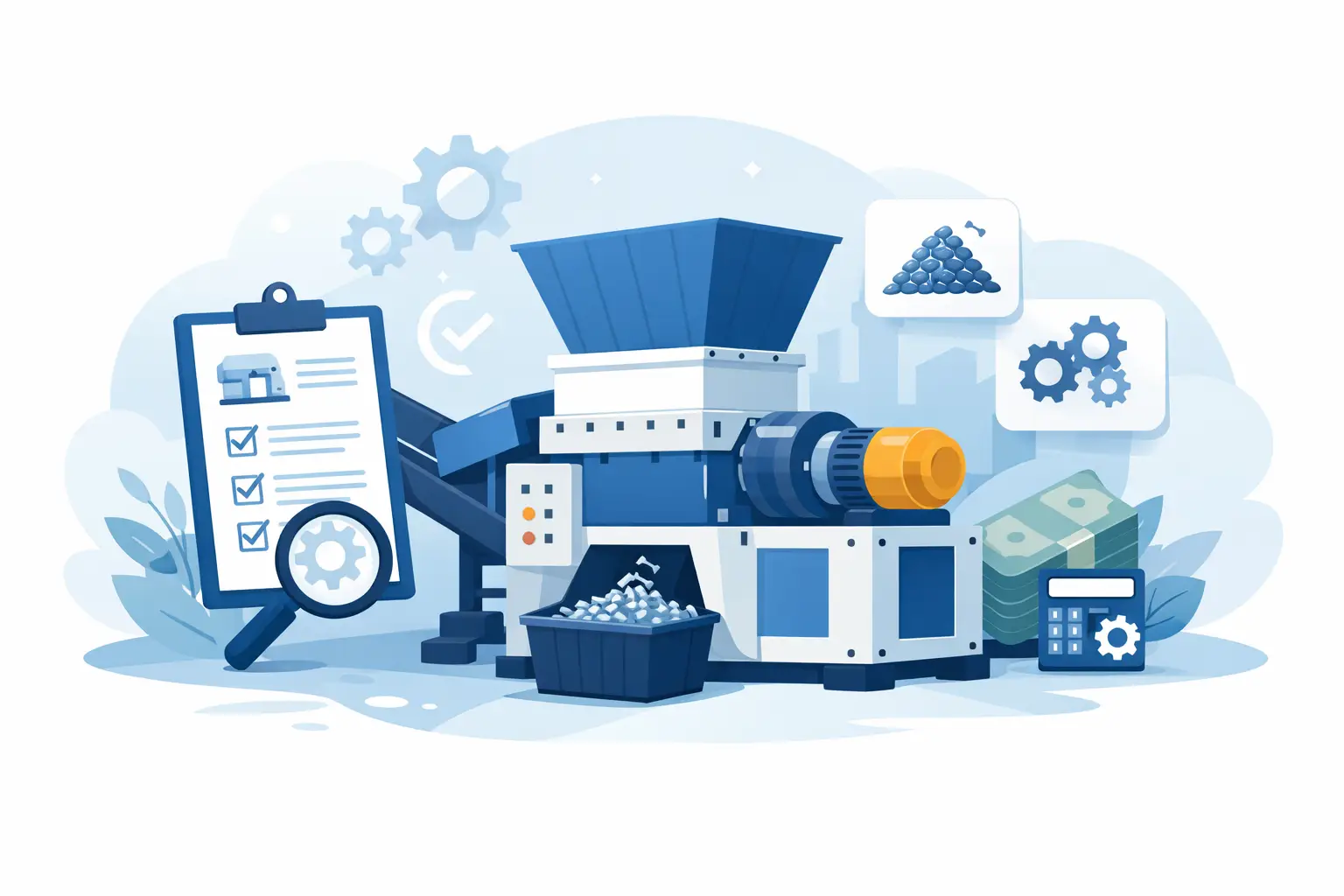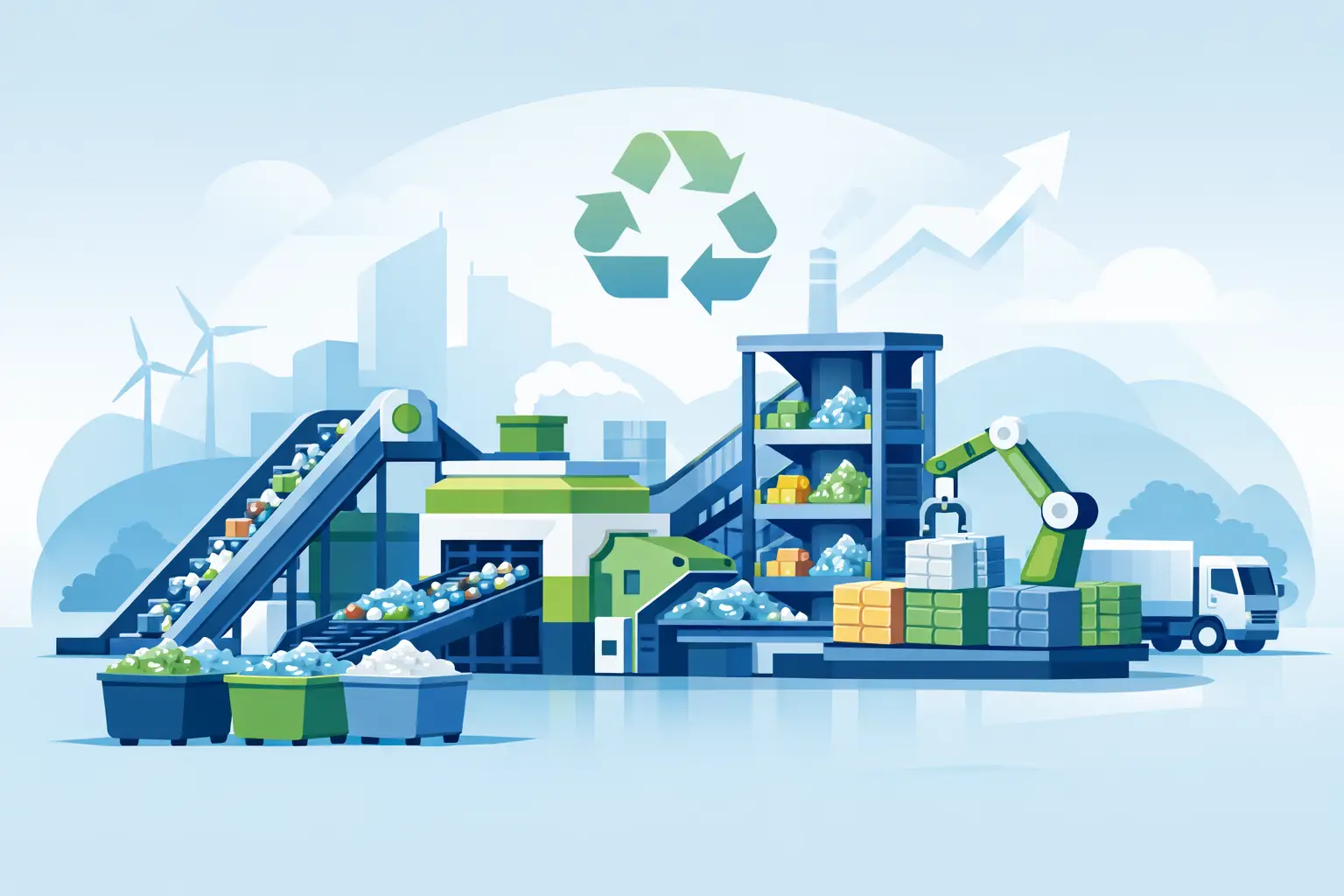
A baled load of municipal solid waste does not fail an RDF project on paper. It fails on the floor – when oversized pieces jam a shredder, wet fractions reduce calorific value, and inconsistent sizing disrupts downstream combustion or co-processing. That is why rdf production line equipment must be planned as a coordinated system, not purchased as isolated machines.
For plant owners, EPC teams, and procurement managers, the real question is not whether a line can process waste. The question is whether it can process your waste at the target throughput, with stable output quality, acceptable wear cost, and manageable downtime. In RDF production, those variables decide project economics.
What rdf production line equipment must accomplish
RDF production line equipment is designed to convert mixed solid waste into a more uniform fuel fraction for cement kilns, industrial boilers, and waste-to-energy applications. The line has to reduce size, remove contaminants, control moisture where possible, and deliver a combustible product with more consistent particle size and handling characteristics.
That sounds straightforward until the feedstock changes. Commercial waste, industrial waste, bulky waste, packaging waste, and sorted municipal fractions behave very differently. Film plastics wrap shafts. Textiles bridge. Wood pieces need different cutting force than light packaging. Metals create impact risk. Moisture changes the whole line balance.
A capable RDF system is therefore built around material behavior. The equipment must tolerate variation without turning every shift into a maintenance event.
Core machines in an RDF production line equipment layout
Most lines follow the same process logic, but machine selection depends on feed composition, output specification, and site constraints. A typical system starts with feeding and primary size reduction, then moves through separation, screening, secondary shredding, and discharge or densification.
Feeding and pre-opening
The line begins with controlled feeding. This is more important than it looks. If waste enters in surges, every downstream machine suffers. Conveyors, chain feeders, or heavy-duty loading hoppers are used to meter material into the line and reduce shock loading.
For compacted or baled waste, bag openers or pre-opening equipment may be required before shredding. Without that stage, recyclable fractions and combustible fractions remain trapped, and separation efficiency drops.
Primary shredding
Primary shredders handle bulky, irregular, and contaminated feedstock. In RDF applications, single-shaft and dual-shaft shredders are common choices. A dual-shaft shredder is often preferred when the incoming waste is highly mixed, oversized, or difficult to grab. It provides aggressive tearing action and strong resistance to variable feed.
A single-shaft shredder becomes attractive when more controlled output size is needed before screening or secondary processing. Rotor design, cutter configuration, screen size, and drive power all affect performance. There is no universal best choice. If the line prioritizes high tolerance to heterogeneous waste, the answer may differ from a plant focused on tighter particle control.
Screening and fraction control
After primary shredding, screening separates material by size. Trommel screens are commonly used in RDF preparation to remove fines or to classify shredded fractions for different downstream routes. Fine inert material can reduce fuel quality, so early removal may improve the calorific profile of the final RDF product.
Screening can also protect secondary shredders by preventing unnecessary recirculation of already-sized material. That matters in wear-heavy applications. If a plant sends everything through the same cutting stage, operating cost rises quickly.
Separation of non-combustibles
No RDF line performs well if metal and heavy inert contaminants remain in the fuel stream. Magnetic separation removes ferrous metals, while other separation steps can be integrated for broader contaminant control depending on project scope.
This stage is often underestimated during budget planning. Buyers sometimes focus on shredder horsepower and overlook separation quality, yet poor contaminant removal can create far more serious downstream problems – especially when the RDF is intended for cement kiln feeding or other tightly controlled thermal processes.
Secondary shredding for fuel specification
Secondary shredding is where output becomes commercially usable. Once bulky waste has been opened, screened, and cleaned to a practical degree, a second shredder can produce a more consistent fuel size. This stage is critical when off-takers require defined particle dimensions for conveying, dosing, or combustion stability.
The target size depends on the final application. Smaller output is not always better. Finer shredding increases energy demand, raises wear, and may create more dust. If the end user can accept a coarser fraction, overspecifying the line only adds cost.
Drying when moisture is a limiting factor
Not every RDF line requires drying, but some absolutely do. High-moisture feedstock can reduce fuel value, complicate storage, and create handling issues. Rotary dryers may be introduced where moisture reduction materially improves the saleability or usability of the RDF product.
This is a classic it-depends decision. Drying improves output quality, but it also adds capital cost, footprint, and energy consumption. For some waste streams, better front-end sorting may deliver more value than thermal drying. For others, especially where wet organics or moisture-heavy fractions cannot be fully excluded, drying supports a more stable fuel product.
How to select rdf production line equipment for real operating conditions
The right line is not defined by catalog layout. It is defined by six project variables: feedstock, capacity, output size, moisture, contamination level, and operating hours.
Feedstock comes first. A line built for industrial packaging waste should not be assumed suitable for mixed municipal waste or C&D-derived combustible fractions. The cutting chamber, shaft design, wear parts, and screening arrangement need to match the actual material mix.
Capacity should be measured realistically, not as a peak headline number. Buyers should distinguish between nominal throughput on ideal material and sustained throughput on site-specific waste. A machine that reaches a high hourly rate under test conditions may deliver much less when fed wet, tangled, or contaminated waste.
Output specification must also be clear before purchase. If the off-taker requires a certain size range or low metal content, the line has to be engineered backward from that target. Otherwise, the plant may produce a fuel fraction that cannot be sold at expected value.
Operating hours matter because RDF plants are rarely light-duty environments. For single-shift operations, one equipment strategy may be acceptable. For continuous or near-continuous production, rotor durability, knife replacement intervals, bearing protection, and service access become major commercial factors.
Common mistakes in RDF line planning
One frequent mistake is underbuilding the front end. If the line cannot feed and open material consistently, adding a larger secondary shredder does not fix the problem. It simply creates a stronger bottleneck downstream.
Another mistake is requesting overly narrow output size for no commercial reason. The tighter the specification, the higher the wear and power demand. Unless the final user requires it, chasing very fine output usually weakens project returns.
A third mistake is treating maintenance as secondary. In RDF production, access for cutter changes, screen replacement, cleaning, and contaminant removal directly affects uptime. Equipment should be judged not only by installed power, but by how efficiently it can be maintained under plant conditions.
Why integrated system design usually wins
Standalone machines can solve isolated tasks, but RDF production is a system problem. Feeding, shredding, screening, separation, drying, and discharge all interact. When one stage is mismatched, the rest of the line carries the penalty through reduced throughput, unstable output, or excessive wear.
That is why many industrial buyers prefer a supplier that can design around the complete process instead of only supplying one machine category. Zhengzhou Jinpeng Machinery Equipment Co., Ltd. addresses this need with integrated configurations covering shredding, crushing, screening, and drying machinery for complex waste processing projects. For buyers managing export logistics, commissioning schedules, and multi-machine compatibility, that approach reduces project risk.
The commercial value of the right equipment choice
Good RDF production line equipment does more than reduce waste volume. It improves labor efficiency, stabilizes fuel quality, and creates a plant that can keep running when feedstock quality shifts. That is where the financial return comes from.
The strongest projects are not always the ones with the most aggressive specification. They are the ones where equipment selection matches the waste stream, the off-take requirement, and the plant’s maintenance reality. If you are evaluating a new RDF system or expanding an existing one, the best next step is to define the material first and let the line follow from that.