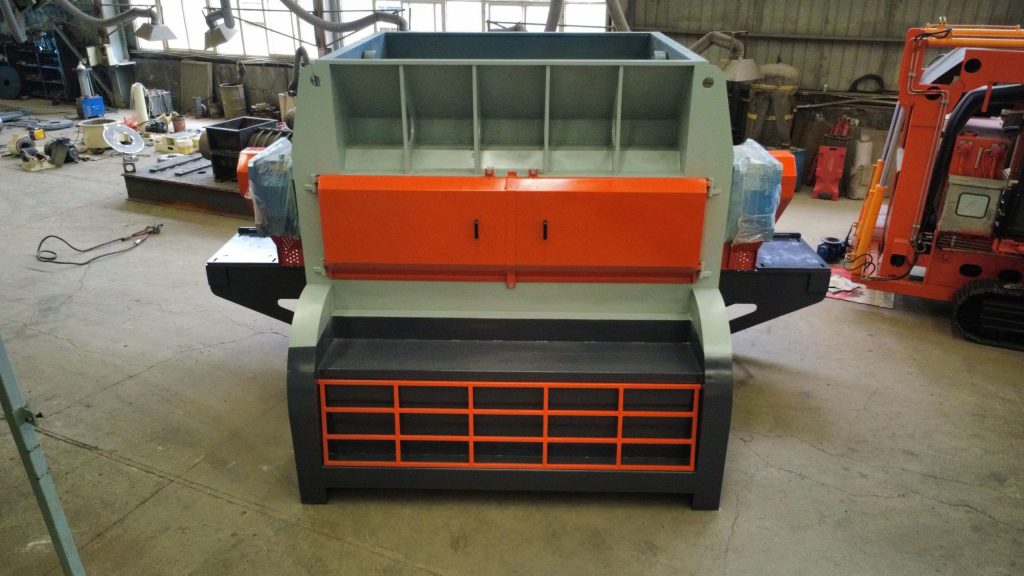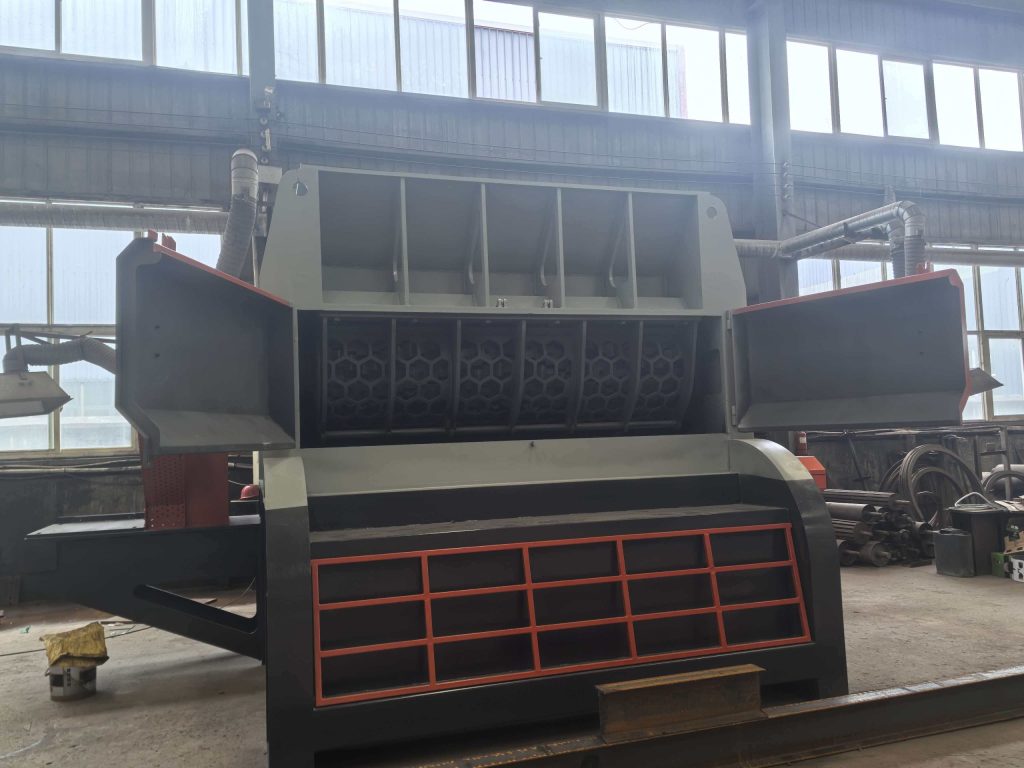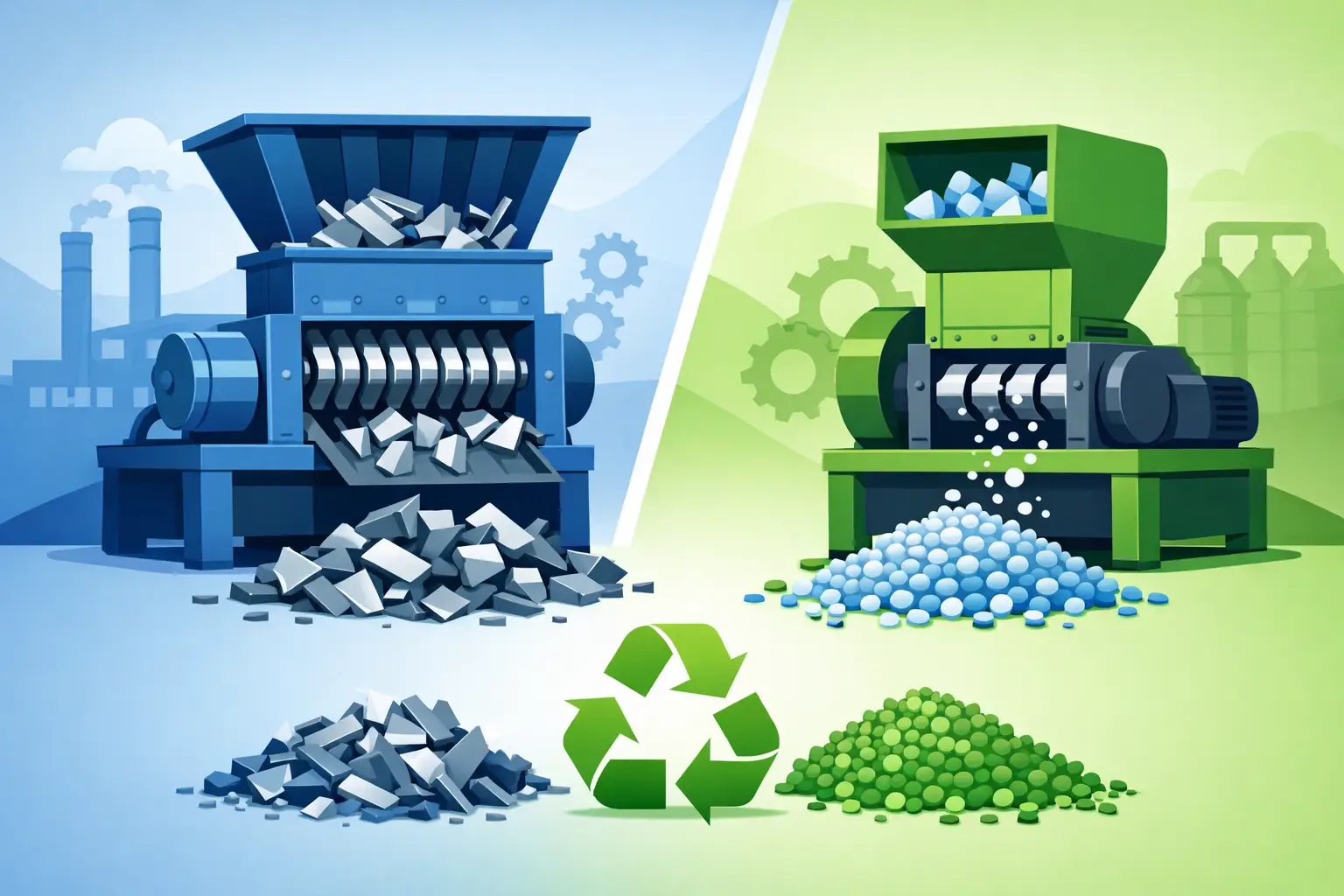
When a processing line struggles, the problem often starts at the front end. Oversized feedstock, tangled material, and inconsistent infeed can slow the entire plant, increase labor, and create avoidable wear downstream. A single shaft shredder machine solves that bottleneck by turning bulky, irregular material into a controlled output that fits the rest of the system.
For plant owners, project engineers, and procurement teams, that matters because shredding is not only about volume reduction. It directly affects conveyor loading, screening performance, dryer efficiency, secondary crushing, and final product consistency. If the shredder is undersized, poorly matched to feedstock, or built without enough torque and rotor strength, the whole line pays for it.
What a single shaft shredder machine is designed to do
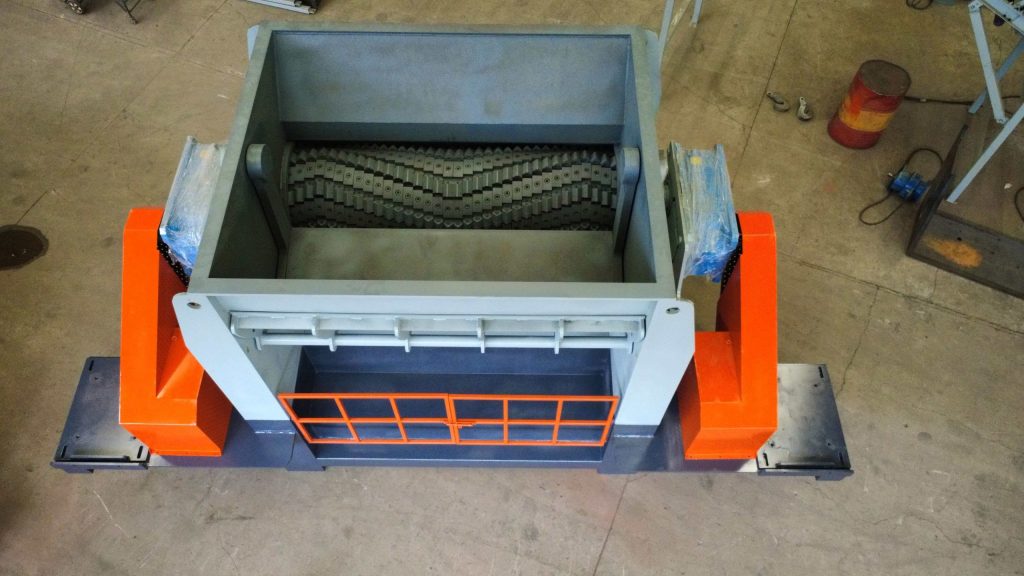
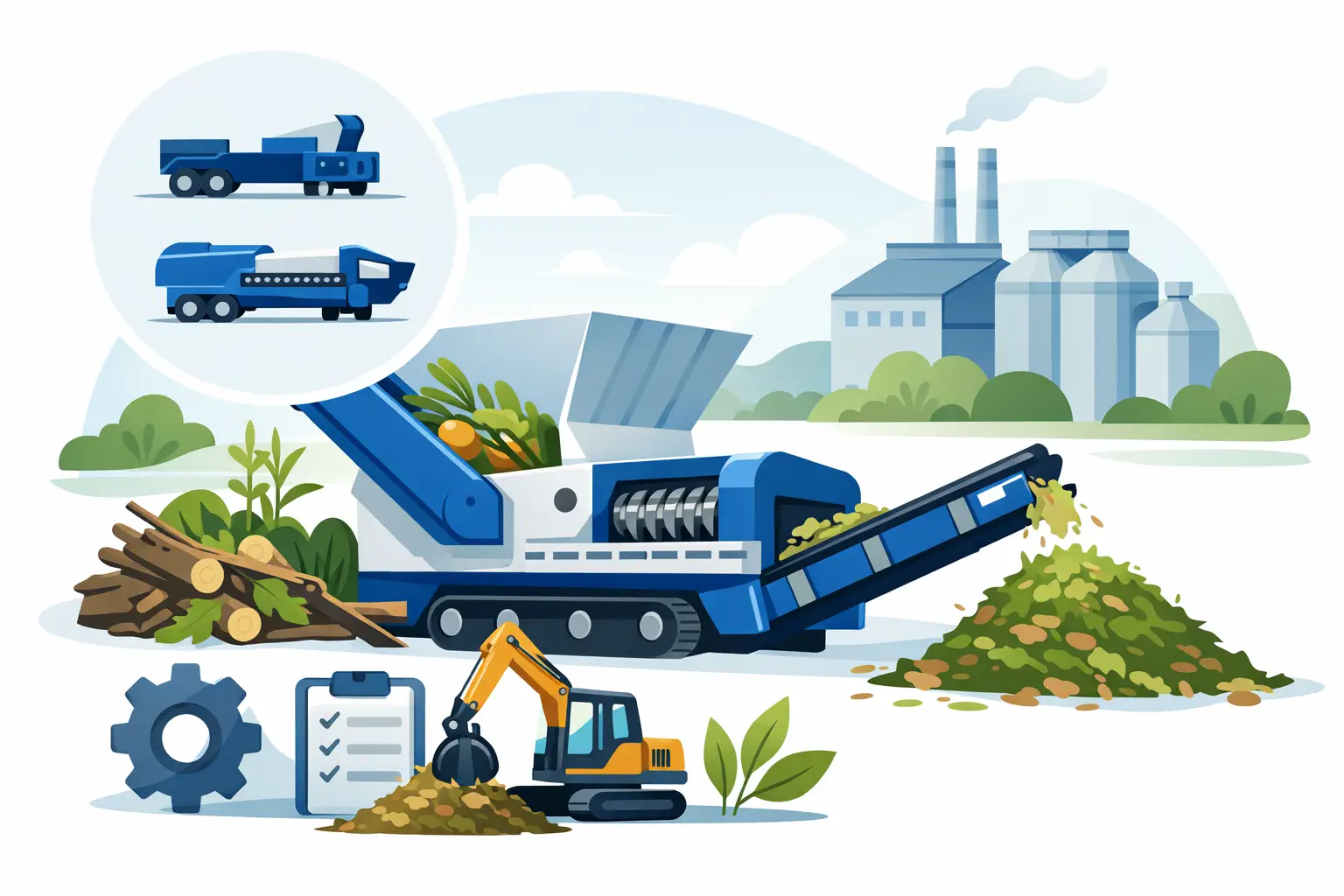
A single shaft shredder machine uses one main rotor fitted with cutters that work against a fixed counter knife. Material is fed into the shredding chamber, pushed toward the rotor by a hydraulic ram, and reduced until it is small enough to pass through a screen. That screen is a key difference from many coarse shredding systems because it helps control output size instead of producing a broad, unpredictable fraction.
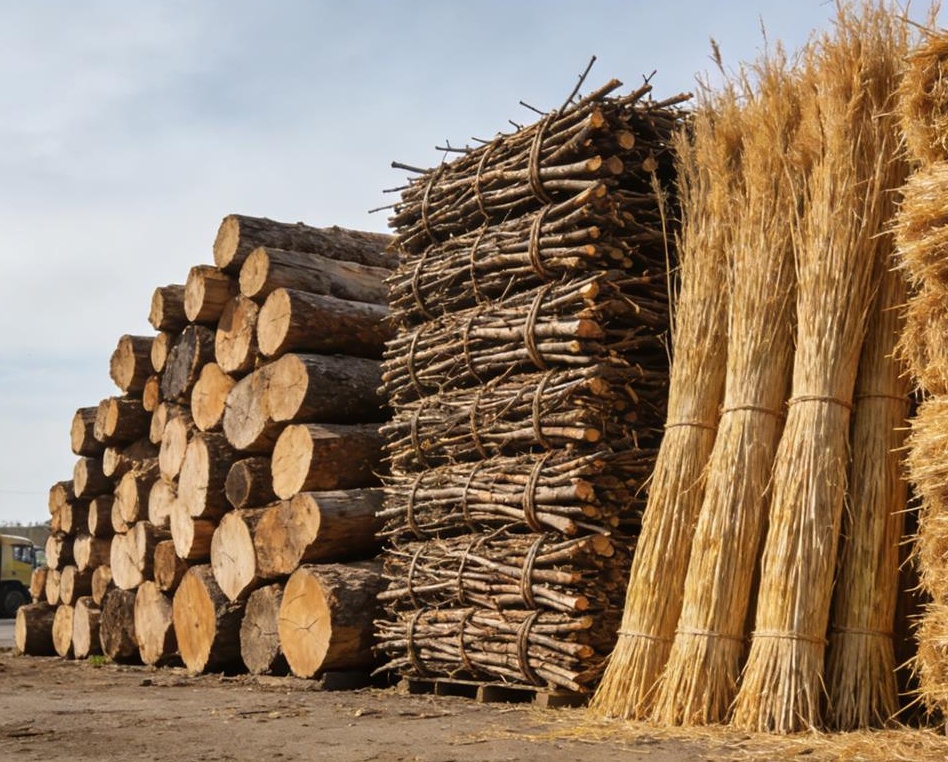
This design makes single shaft equipment especially suitable for applications that need more uniform discharge and steady feeding into downstream equipment. It is widely used for wood waste, pallets, offcuts, plastics, paper, textiles, biomass residues, municipal solid waste fractions, and RDF or SRF preparation. In many plants, it serves as the first controlled size-reduction stage before granulation, fine grinding, drying, or densification.
The result is a machine category that sits between simple bulk destruction and precise size preparation. That is why it is common in industrial recycling and biomass projects where output quality matters almost as much as throughput.
Where a single shaft shredder machine fits best
Not every waste stream needs the same shredding principle. A single shaft shredder machine is usually the right choice when the goal is controlled reduction of mixed or bulky feedstock without excessive fines. It performs well when material varies in shape and density but still needs a reasonably consistent output.
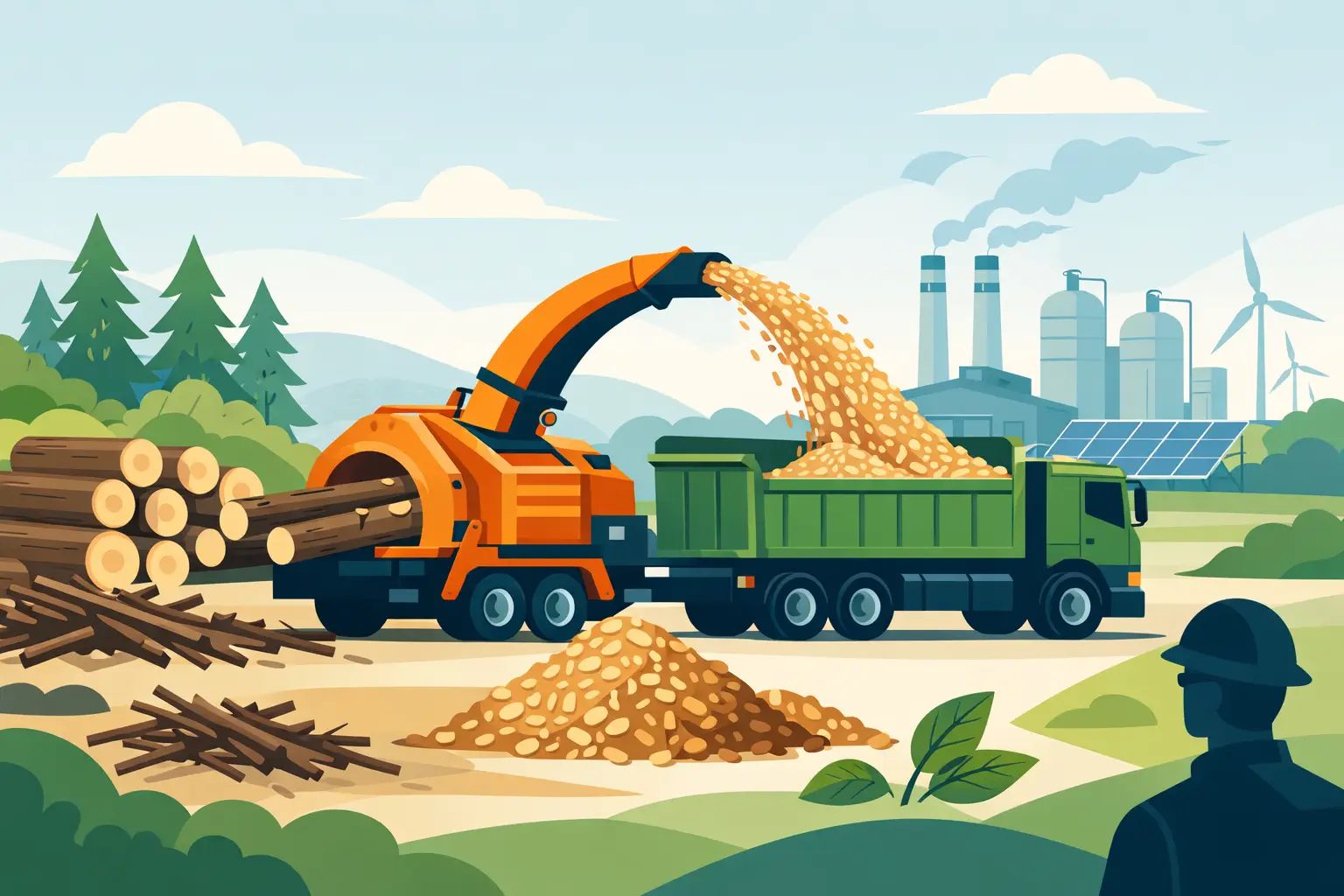
In wood processing, it is often used for furniture scrap, plywood waste, construction timber offcuts, packaging wood, pallets, and panel trim. In solid waste projects, it can prepare commercial and industrial waste fractions for RDF production. In plastics recycling, it handles lumps, purgings, films in bundles, pipes, containers, and production scrap, depending on machine configuration.
That said, there are trade-offs. If the material is extremely contaminated with heavy metal content, very high impact loads, or severe entanglement, a dual-shaft system may be better for primary tearing. If the application demands extremely fine final sizing in one pass, a grinder or granulator may be more appropriate after shredding. Machine selection depends on the role of the shredder in the full process, not just on the material name.
Key components that determine performance
From a buying perspective, the difference between acceptable performance and reliable industrial output usually comes down to engineering details.
The rotor is central. Rotor diameter, wall thickness, cutter arrangement, and rotational speed affect torque, cutting force, and resistance to shock loading. A larger, heavier rotor typically offers better stability for difficult feedstock, but it also changes power demand and overall machine footprint.
The hydraulic ram is just as important. Inconsistent feeding creates spikes in load, lower throughput, and uneven output. A properly designed ram system keeps material in contact with the rotor and helps the machine process hollow, light, or resilient feedstock more efficiently.
The screen controls discharge size. Smaller screen openings improve output consistency, but they can also reduce capacity and increase power consumption. Larger screens increase throughput but may require more secondary processing later. This is one of the most common it-depends decisions in shredder design.
Drive configuration also matters. Motor power, gearbox quality, coupling design, and control logic affect starting load, torque transfer, and protection against overload. Industrial buyers should pay close attention to whether the machine is built for continuous duty under variable feed conditions, not only for peak test capacity.
How to evaluate throughput realistically
Capacity claims in shredding equipment can be misleading if they are separated from feedstock conditions. The actual output of a single shaft shredder machine depends on material type, bulk density, moisture, feed size, contamination level, required discharge size, and operator feeding method.
For example, dry wood offcuts and mixed green waste may share a similar input volume but produce very different hourly tons. Plastic film bales can behave differently from rigid plastic lumps, even when nominal motor power is the same. A tighter screen that creates a cleaner output for RDF may reduce throughput compared with a coarser pre-shred stage.
This is why serious equipment selection should be based on sample material analysis, target output size, and line integration requirements. Procurement decisions built only around motor power or headline capacity often create problems later. What matters is the machine’s effective throughput in your actual operating window.
Single shaft shredder machine applications in integrated lines
In modern plants, shredders rarely work alone. They are part of a system, and their value increases when they are matched to the full process layout.
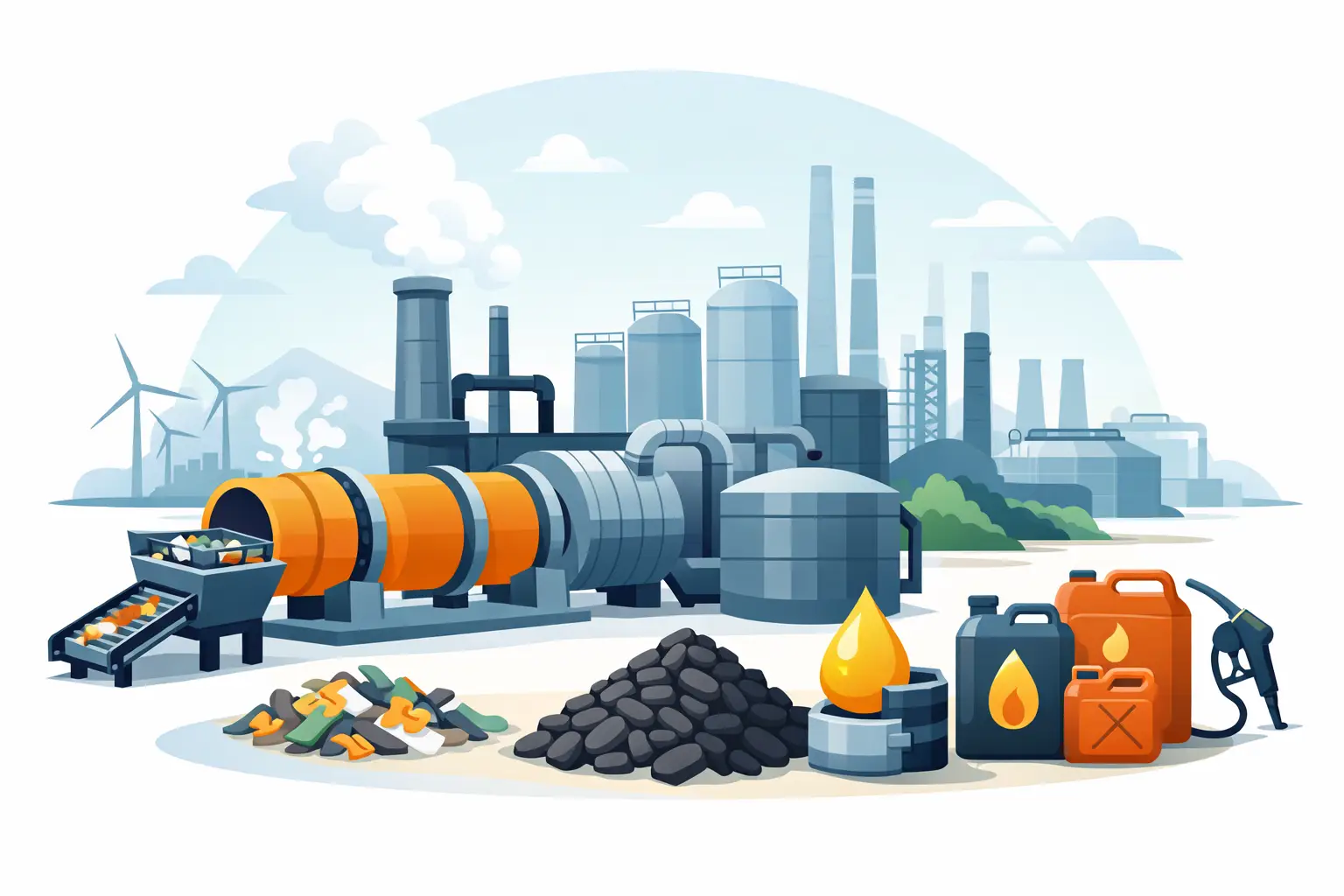
In a biomass preparation line, the shredder may feed a hammer mill, dryer, or pellet system. In a waste-derived fuel project, it may sit before magnetic separation, screening, air classification, and secondary size reduction. In wood recycling, it may support chip preparation, board plant feedstock conditioning, or boiler fuel production.
This system view changes how the machine should be specified. If the downstream equipment is sensitive to oversize, screen selection becomes more important. If the line needs high uptime and continuous feeding, hopper design, ram control, and automatic reversal logic become priorities. If the material has frequent tramp contamination, wear protection and access for maintenance matter more than a small increase in nominal capacity.
For industrial projects, a supplier with experience across shredding, screening, crushing, drying, and recycling systems can often deliver a better result than a machine-only approach. Zhengzhou Jinpeng Machinery Equipment Co., Ltd. serves this kind of requirement by building both standalone equipment and integrated lines for biomass, wood waste, RDF, and recycling applications.
What buyers should ask before ordering
A productive shredder purchase starts with the right technical questions. Buyers should define the feedstock clearly, including dimensions, contamination, moisture, and seasonal variation. They should also state the required discharge size, target hourly output, operating hours, and downstream equipment configuration.
Beyond that, it is worth asking how the cutter material is selected, how quickly knives and screens can be changed, what overload protection is included, and how the hydraulic system performs under continuous use. Maintenance access is often overlooked during quotation review, but it has direct impact on uptime and labor cost.
Export buyers should also confirm electrical standards, control language, spare parts planning, and shipping dimensions. For international projects, these details are not minor. They affect installation schedules, commissioning speed, and long-term serviceability.
Why durability and customization matter
A single shaft shredder machine is capital equipment, not a short-cycle purchase. The machine has to handle abrasive wear, fluctuating loads, variable feed, and long production shifts. That makes frame strength, bearing protection, cutter quality, and control reliability central to total operating cost.
Customization is equally important because industrial waste streams are rarely standard. One facility may process bulky wood packaging with nails. Another may handle plastic production scrap with occasional dense lumps. A third may need RDF output within a defined size range for combustion performance. The same shredder category can serve all three, but not with the same rotor design, screen size, hopper geometry, and drive configuration.
The best buying decision is usually the one that reduces process risk, not the one with the lowest initial quote. A machine that runs steadily, protects downstream equipment, and produces usable output will pay back faster than a cheaper unit that creates downtime or inconsistent material preparation.
If you are sizing equipment for a new line or upgrading an existing operation, start with the material, the output target, and the role of the shredder in the full process. That is where a good machine stops being a catalog item and starts becoming a production asset.