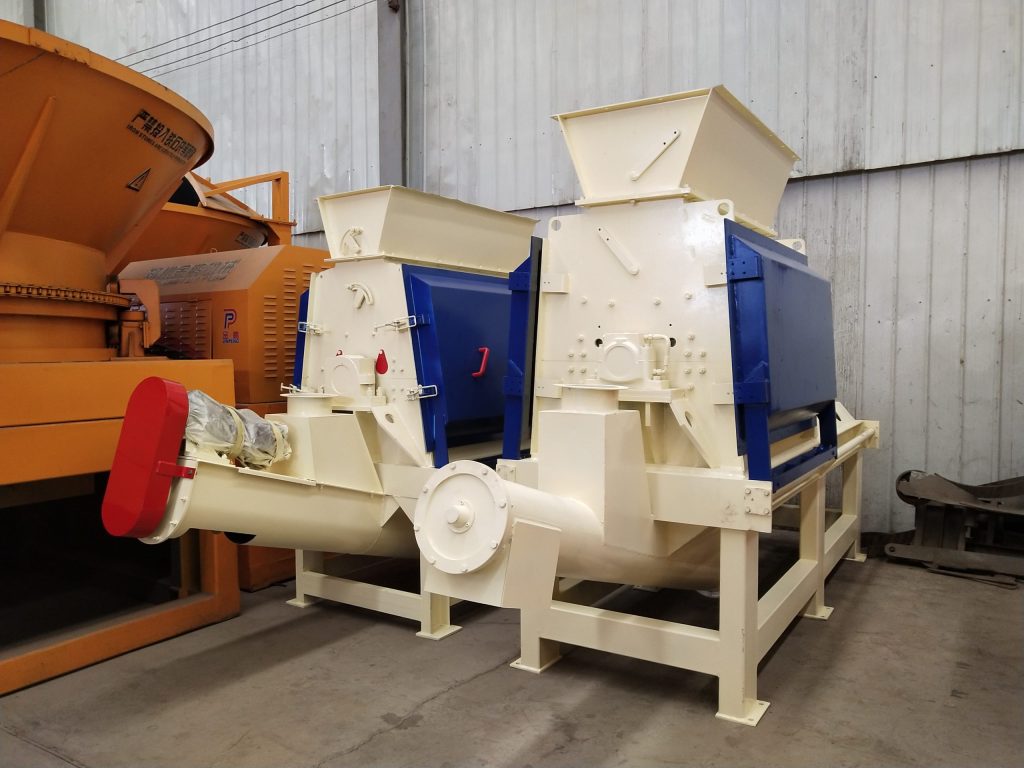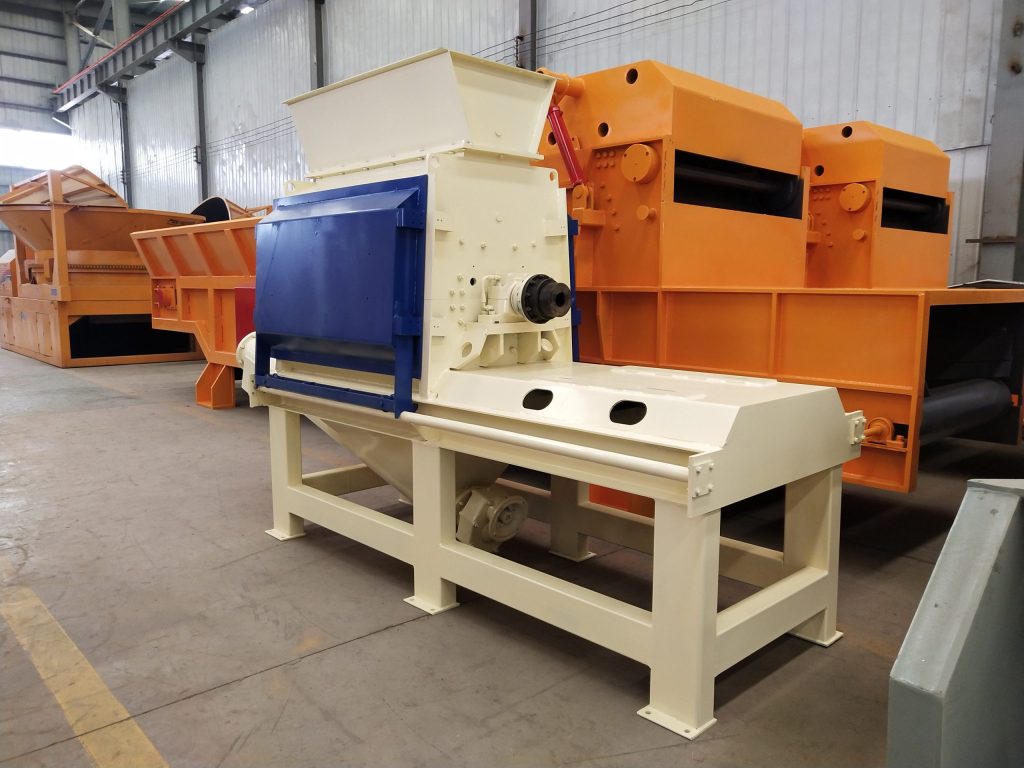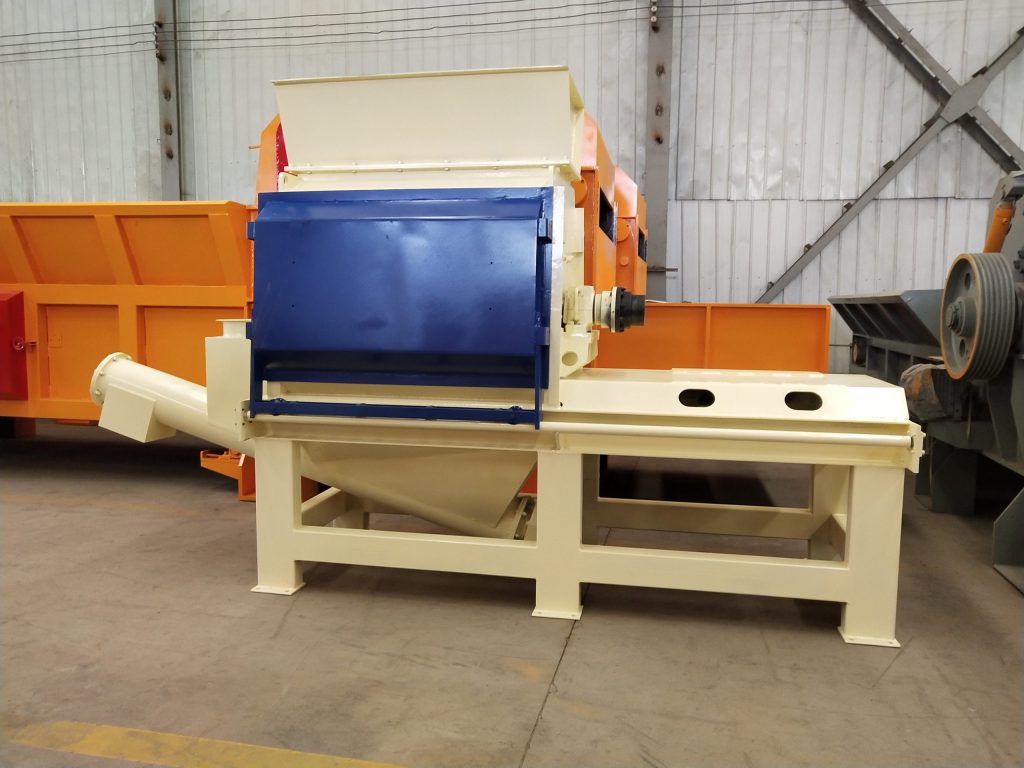
A wood hammer mill machine is rarely the first machine a buyer asks about, but it is often the machine that determines whether the rest of the line runs efficiently or struggles with inconsistent material. If your downstream process depends on controlled particle size for pellets, briquettes, drying, combustion, or densification, the hammer mill is where output quality is won or lost.
In industrial wood and biomass processing, coarse size reduction alone is not enough. Chippers, shredders, and grinders can bring raw material down to a manageable range, but fine reduction is a different task. A hammer mill takes pre-sized wood waste, chips, sawmill residue, bark, branches, pallets, and biomass feedstock and converts it into a more uniform fraction that is easier to dry, convey, store, and process.
What a wood hammer mill machine actually does
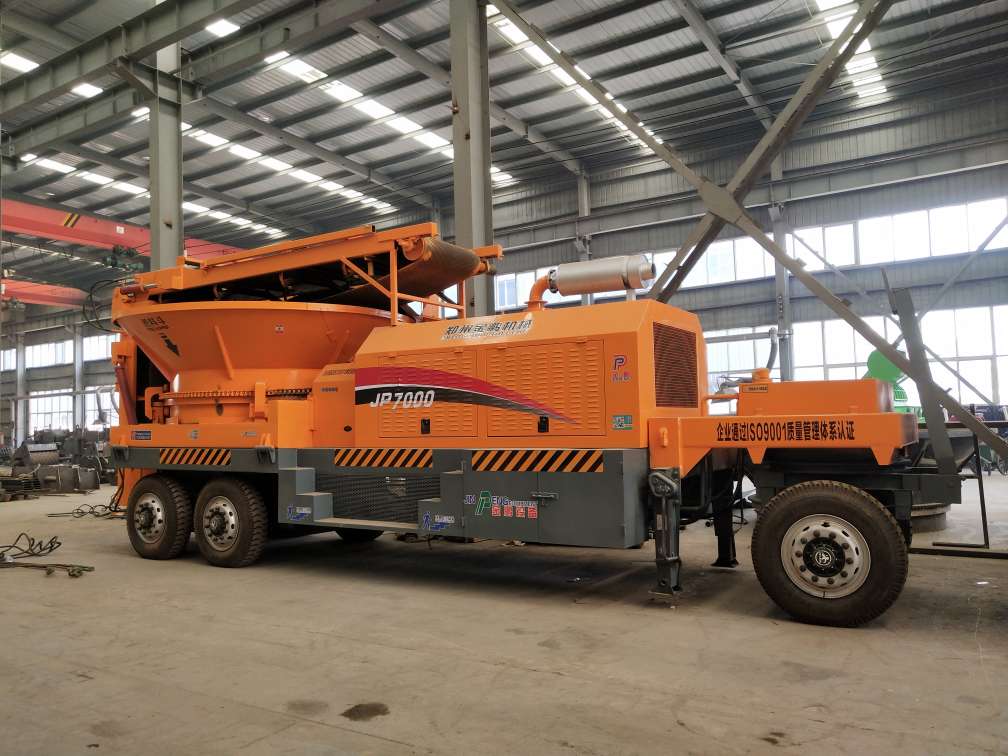
A wood hammer mill machine uses high-speed rotating hammers to strike incoming material and reduce it through repeated impact. As the material breaks down, it passes through a screen with defined openings that control the final output size. This sounds simple, but in practice, hammer design, rotor speed, screen selection, and feed consistency all affect real production performance.
For plant operators, the main value is not just reduction. It is particle control. A properly specified hammer mill helps create feedstock that behaves predictably in pellet mills, briquette systems, burners, gasifiers, and drying equipment. That reduces variation across the line and helps stabilize throughput.
This is why hammer mills are common in biomass fuel preparation, wood recycling, MDF and board raw material processing, and waste-to-fuel systems. They are especially useful when the target is a finer end product than a chipper or primary shredder can economically achieve.
Where a wood hammer mill machine fits in a processing line
In most industrial applications, a hammer mill is not a standalone answer. It sits in the middle or later stage of a material preparation system. Feedstock usually arrives after some form of primary reduction, such as a disc chipper, drum chipper, horizontal grinder, or shredder. Metal removal, screening, and controlled feeding are often part of the same system.
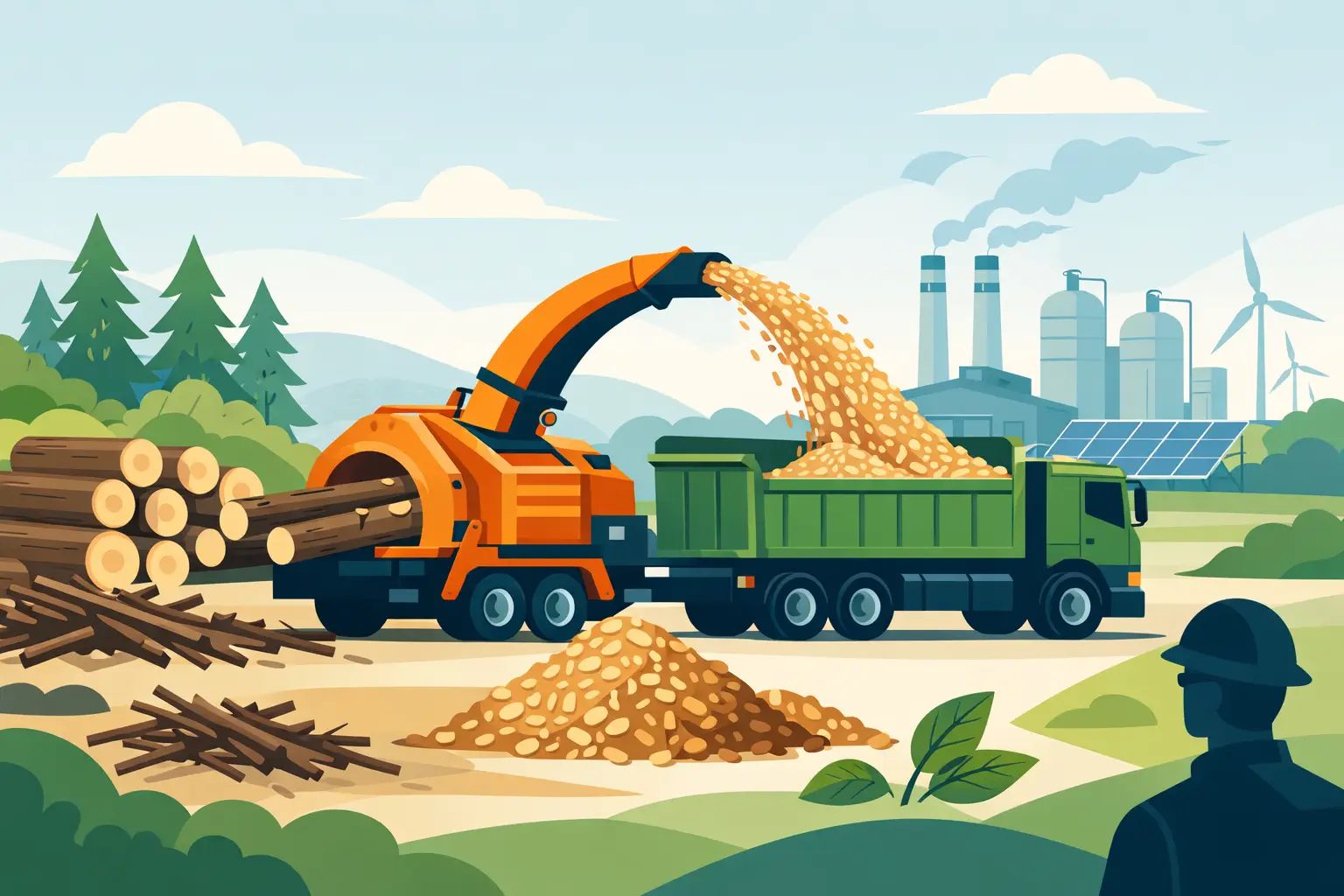
For example, pallet scrap and offcuts may first go through a shredder to reduce bulk and remove oversized pieces. From there, the material enters the hammer mill for final sizing before drying or pelletizing. In a biomass fuel line, wood chips with variable thickness may be refined further in the hammer mill so the dryer and pellet press receive a more consistent feed.
The sequence matters. Feeding whole logs or highly oversized material directly into a hammer mill usually creates unnecessary wear, lower efficiency, and unstable output. The best results come when upstream machinery is matched correctly to the hammer mill’s feed opening, rotor design, and target capacity.
Key performance factors buyers should evaluate
Capacity is the first specification most buyers request, but it should never be considered in isolation. A machine rated for high throughput under ideal feed conditions may produce very different results with wet bark, mixed demolition wood, stringy green waste, or contaminated pallet scrap.
Material type has a direct effect on hammer wear, screen life, and power draw. Dry sawdust behaves very differently from green branches or fibrous agricultural residue. Feed moisture also changes grinding efficiency. Higher moisture can reduce throughput, increase screen plugging, and make it harder to maintain a narrow particle range.
Screen size is another critical variable. Smaller screen openings produce finer output, but they also reduce production rate and can increase energy consumption. Buyers should avoid the common mistake of requesting the finest possible output without considering whether the downstream process truly requires it. In many plants, slightly coarser but more stable output delivers better total line efficiency.
Rotor balance, bearing quality, hammer metallurgy, and housing strength also matter more than they may appear on a quotation sheet. In continuous-duty industrial settings, weak wear parts or underbuilt assemblies quickly become a maintenance problem. Downtime costs more than the initial price difference between machine classes.
Choosing the right configuration for your feedstock
There is no single best wood hammer mill machine for every plant. The right configuration depends on the raw material, target size, required tons per hour, and the operating schedule.
If the feedstock is relatively clean and already pre-sized, a standard fine grinding setup may be enough. If the plant handles mixed wood waste with nails, fasteners, or occasional non-wood contamination, the system may need stronger wear protection, magnetic separation, and easier maintenance access. For bark-heavy or fibrous material, the hammer pattern and screen arrangement may need adjustment to prevent excessive recirculation and heat buildup.
Buyers planning export projects or complete production lines should also consider motor standards, electrical configuration, safety guarding, dust control, and layout constraints early in the selection process. A machine that performs well in a test run still has to integrate cleanly into the plant.
This is where an experienced manufacturer adds value. Zhengzhou Jinpeng Machinery Equipment Co., Ltd. supports buyers not only with individual machine supply but also with application-based system matching for wood, biomass, and recycling lines where feedstock variability is the real challenge.
Common applications across wood and biomass industries
The strongest demand for hammer mills comes from operations where output consistency affects product value or combustion performance. Pellet plants are a clear example. If particle size is too coarse or too uneven, pellet density, die wear, and final product quality can suffer. A correctly sized hammer mill helps create a feed that compresses more uniformly.
Wood recycling facilities also rely on fine reduction when preparing material for board production, compost additives, boiler fuel, or secondary products. In these settings, the machine has to do more than reduce size. It has to process difficult and often inconsistent feed without excessive stoppages.
For biomass power and fuel preparation, the hammer mill supports a more stable burn profile by delivering a tighter size distribution. That can improve feeding behavior into combustion systems and reduce handling issues in storage and conveying.
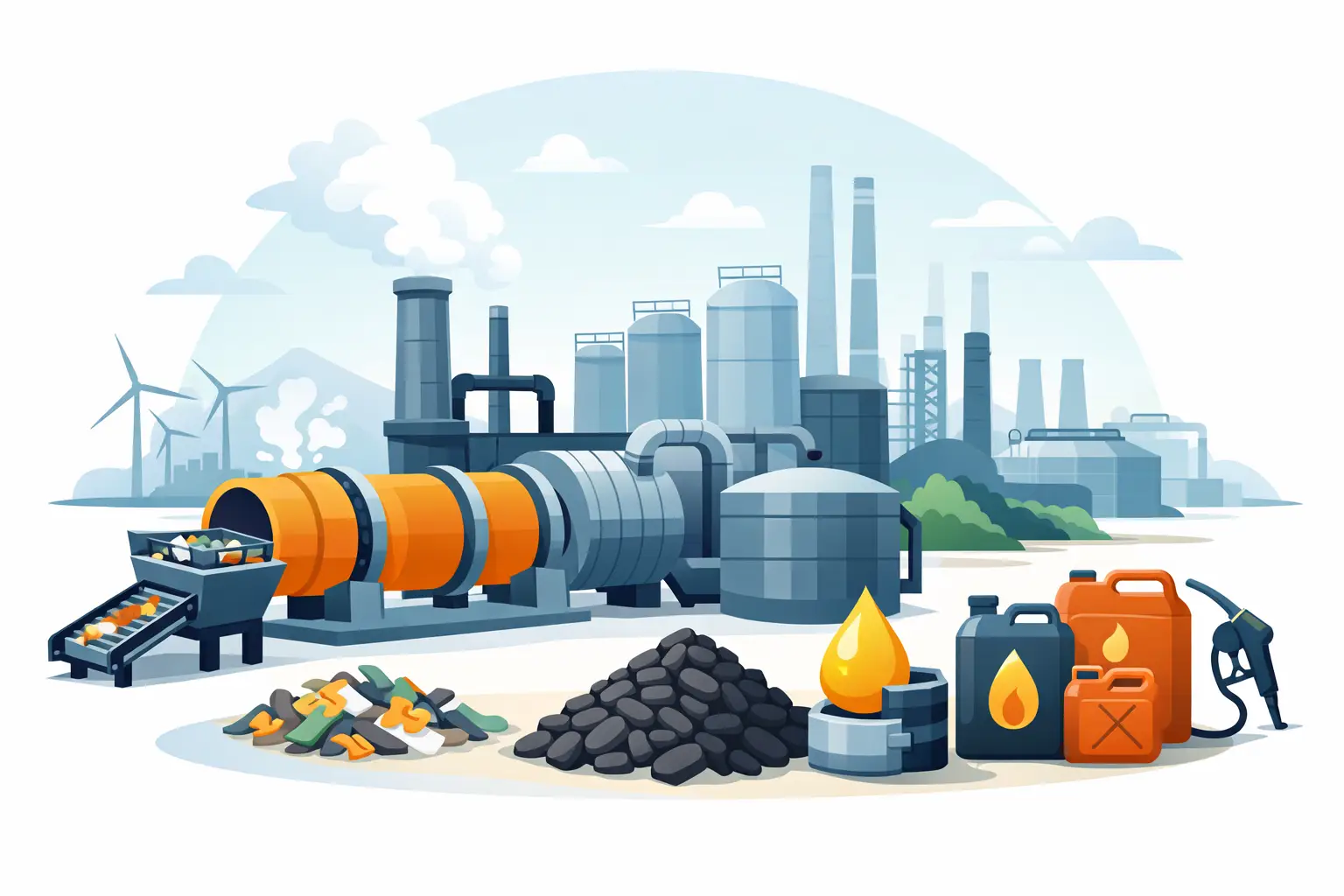
RDF and SRF projects sometimes use hammer milling in specific fractions as well, although these applications require careful review of contaminants, abrasiveness, and output specification. The point is not that every waste stream belongs in a hammer mill. It is that the machine is effective when used in the right stage with the right material control strategy.
Maintenance is where real operating cost shows up
A wood hammer mill machine can look cost-effective at purchase and become expensive in service if maintenance access is poor or wear parts are consumed too quickly. Serious buyers should ask practical questions: How long does it take to change hammers? How is the screen replaced? Is rotor inspection straightforward? Are bearings protected from dust ingress? Can the machine be serviced without dismantling surrounding structures?
Wear is normal in any impact-based reduction process. The goal is not to eliminate it but to control it. Good design reduces unplanned stops and makes routine service predictable. That matters in high-volume plants where maintenance windows are limited.
Feed preparation also has a large effect on maintenance cost. Removing tramp metal before grinding, keeping feed size within design limits, and maintaining stable feeding all extend service life. Many hammer mill problems blamed on the machine are actually caused by poor upstream control.
What industrial buyers should ask before requesting a quote
A useful quote starts with process information, not just the phrase “need a hammer mill.” Buyers should be ready to define raw material type, bulk density, moisture range, contamination level, target output size, and expected hourly capacity. It also helps to clarify whether the machine will feed a dryer, pellet mill, boiler, briquette press, or screening system.
The more specific the process data, the more accurate the machine recommendation will be. This is especially important for international buyers comparing suppliers across different standards and rating methods. Quoted capacity without feedstock conditions does not mean much.
It is also worth discussing whether the project needs a single machine or a complete line. In many cases, performance gains come from better system design rather than from upsizing one piece of equipment. A balanced line with proper infeed, discharge, dust handling, and material separation will usually outperform a larger standalone unit placed into a weak process layout.
A wood hammer mill machine is a practical investment when fine sizing is essential to the product or fuel you want to make. The best buying decision comes from treating it as part of a process, not just a catalog item. If your plant is dealing with uneven feedstock, unstable downstream performance, or rising preparation costs, the right machine setup can turn that bottleneck into a controlled and profitable stage of production.