A tire recycling project usually looks straightforward on paper until the feedstock starts arriving. Whole truck tires, mixed passenger tires, sidewalls with heavy bead wire, wet material, dirt contamination, and inconsistent volumes can turn a simple machine purchase into a production bottleneck. That is why selecting the best tire shredding equipment is less about finding one popular model and more about building the right processing solution for your target output, throughput, and downstream market.
For industrial buyers, the question is not just whether a shredder can cut tires. The real question is whether the system can deliver stable capacity, controlled discharge size, acceptable wear cost, and reliable uptime across long production cycles. In medium- to large-scale operations, that difference directly affects labor, energy consumption, product quality, and project return.
What the best tire shredding equipment actually includes
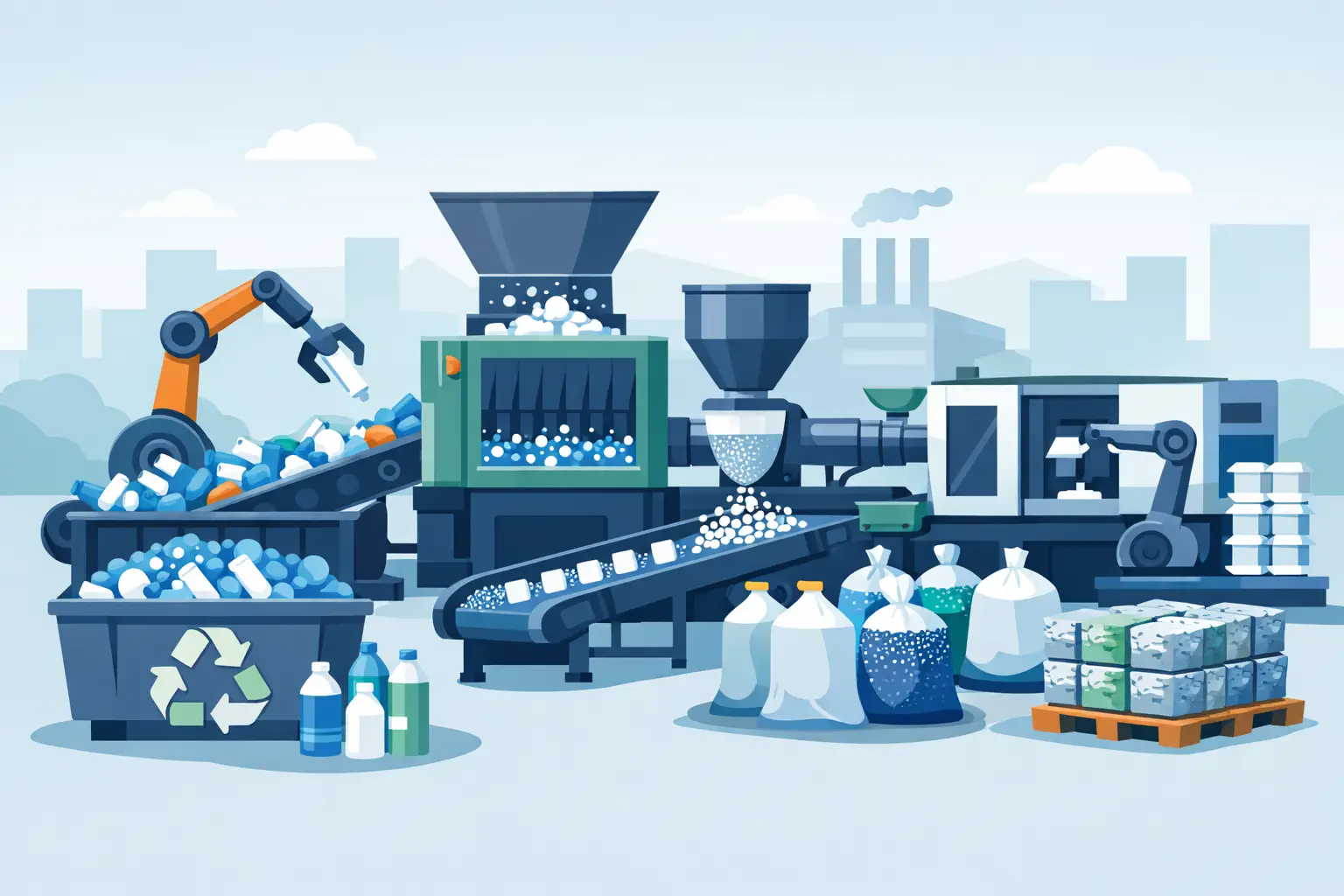
In most commercial applications, the best tire shredding equipment is not a single machine. It is a process line made up of staged size reduction, separation, and discharge handling. The exact configuration depends on whether the end product is TDF, rubber mulch, crumb rubber, or liberated steel and fiber for further recovery.
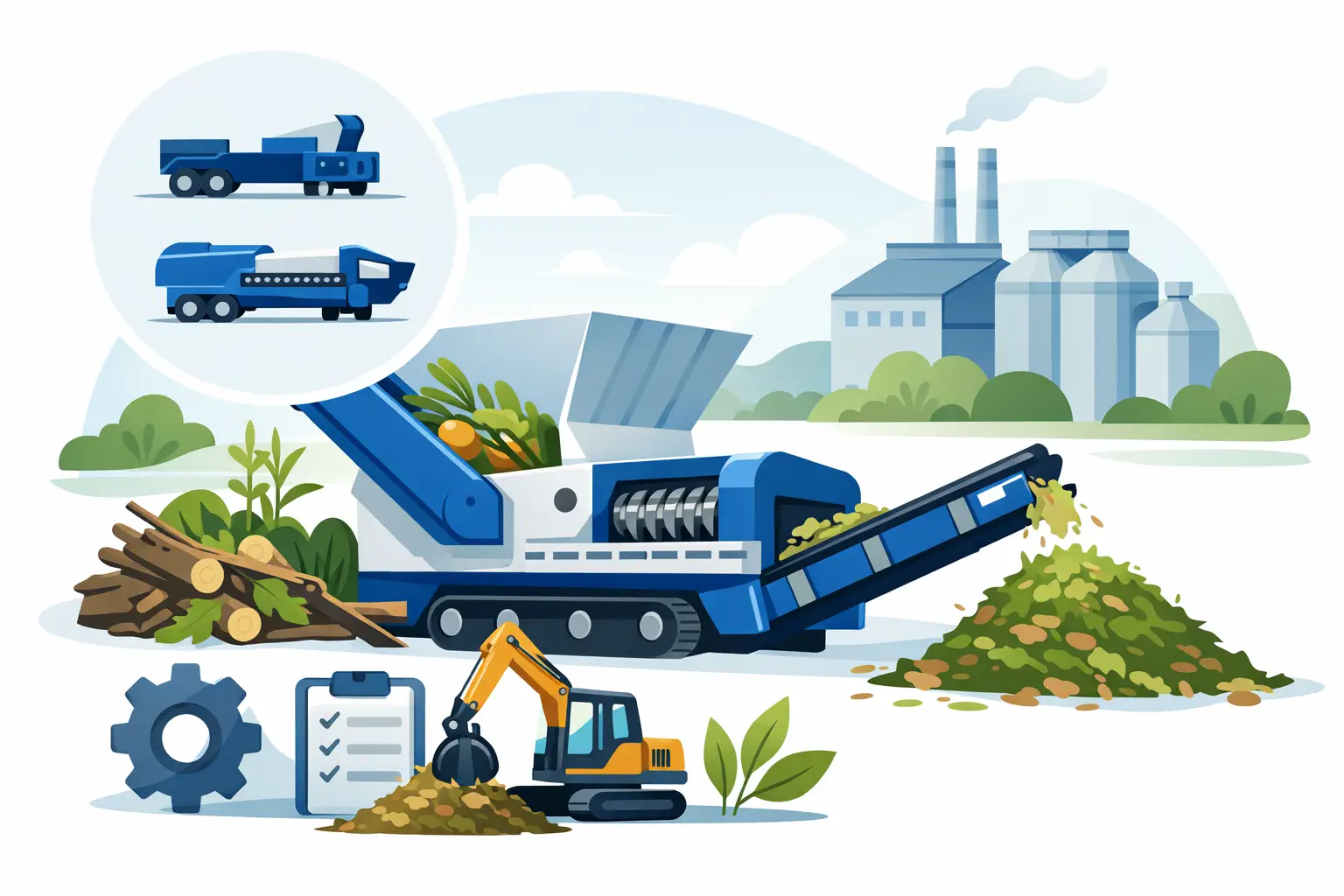
A typical line starts with a primary tire shredder. This stage handles whole tires and reduces them into rough strips or chips. For high-torque duty and difficult feedstock, dual-shaft shredders are often the preferred choice because they can grab bulky tires, process heavy sidewalls, and maintain stable operation under variable loading. They are designed for aggressive tearing rather than fine sizing, which makes them suitable as the front end of a serious recycling plant.
After primary shredding, many operations add a secondary shredder or chipper stage to reduce the material further and improve uniformity. If the end market requires smaller and more consistent output, a granulator or rubber crusher is then used to produce cleaner, tighter particle sizing. Magnetic separation is usually integrated between stages to remove steel wire, while air separation can help manage fiber content. Screening equipment closes the loop by returning oversize material for reprocessing.
This is why equipment selection should begin with the finished product specification, not the first machine in the line. A plant designed to make 50 to 100 millimeter tire chips has a very different duty profile from one targeting fine rubber granules.
How to evaluate the best tire shredding equipment for your plant
Procurement decisions often start with headline capacity, but nameplate throughput alone does not tell you enough. Tire shredding performance depends heavily on feed type, pre-sorting, machine torque, cutter design, discharge control, and how well the full line is balanced.
The first point to evaluate is feedstock range. Passenger tires, truck tires, OTR tires, and mixed scrap streams do not behave the same way in a shredder. A machine that performs well on clean passenger tires may struggle when larger truck casings and bead-heavy material are introduced continuously. Buyers should confirm the actual tire types, dimensions, and contamination level the system is expected to handle.
The second factor is throughput under real operating conditions. Industrial buyers should ask whether published capacity is based on passenger tires only, whether bead wire is included, and what output size was used in testing. Lower target output sizes increase processing resistance and can reduce tons per hour significantly. A realistic capacity assessment is more valuable than an optimistic one.
The third factor is cutter and shaft design. In tire applications, torque matters. High-torque, low-speed shredding reduces the risk of bridging and helps process dense, elastic feedstock without relying on excessive rotor speed. Cutter material, thickness, replaceability, and maintenance access also have a direct effect on operating cost. If blades are difficult to service, downtime will erase any savings promised by a lower purchase price.
The fourth factor is system integration. Even a strong shredder will underperform if conveyors, magnets, screens, and discharge systems are undersized or poorly synchronized. Tire recycling is a line process. Stable output requires every stage to match the next.
Primary vs. secondary machines in tire recycling
A common mistake is trying to force one machine to do all the work. Whole tire reduction and final sizing are different tasks, and the best results usually come from assigning each stage to the right equipment.
Primary tire shredders
Primary tire shredders are built for intake strength. Their job is to accept whole tires, break the structure, and reduce volume efficiently. Dual-shaft designs are widely used here because they offer strong pulling force and tolerance for irregular feed. For plants processing mixed tire streams at scale, this stage sets the pace of the entire system.
Secondary shredders and chip reducers
Once tires are opened and partially reduced, secondary equipment takes over to create a more uniform chip. This stage improves downstream separation efficiency and prepares the material for granulation if required. The machine selection depends on target size and whether steel has already been removed partially.
Granulators and rubber pulverizing equipment
If the business model depends on crumb rubber or fine rubber powder, coarse shredding is only the first step. Granulators and pulverizing equipment are needed to achieve tighter particle ranges and improve liberation of steel and fiber. These machines demand more controlled feed and more precise line design, but they also support higher-value end products.
Best tire shredding equipment by application
The best tire shredding equipment for TDF production is usually a high-capacity primary and secondary shredding line focused on throughput and consistent chip size rather than very fine granulation. In this case, simple flow, strong torque, and reliable discharge handling matter more than extreme particle precision.
For rubber mulch production, the line typically needs tighter secondary sizing, stronger magnetic separation, and better screening control. Product consistency becomes more important because downstream buyers expect a narrower size range.
For crumb rubber production, the equipment package is more demanding. The line must support progressive size reduction, effective steel and fiber removal, and repeatable screening performance. Here, the lowest-cost shredder is rarely the best investment because poor liberation at the front end creates quality problems later.
For integrated waste recycling plants, tire shredding equipment may also need to fit into broader RDF or SRF preparation systems. In those environments, layout, automation, and material flow integration can be as important as the shredder itself.
What industrial buyers should ask before requesting a quote
A serious equipment review should cover more than motor power and cutter count. Buyers should define the hourly throughput target, the tire mix, the required discharge size, acceptable steel content in the final product, labor model, available footprint, and electrical standards for the installation site. These details determine whether a standard machine is sufficient or whether a customized line is necessary.
It is also worth asking how the supplier approaches wear parts, commissioning, and future expansion. Tire recycling lines often grow in stages. A buyer may start with chip production and later add granulation. Equipment that can scale with that plan has a stronger long-term value profile.
Export buyers should also review packaging, delivery scope, voltage adaptation, and after-sales support in practical terms. Industrial equipment is not purchased for theory. It is purchased to run. A supplier with manufacturing capability and system design experience can reduce project risk substantially, especially when the application involves difficult feedstock and multiple process stages.
Zhengzhou Jinpeng Machinery Equipment Co., Ltd. serves this type of requirement with industrial shredding and recycling systems designed around throughput, material characteristics, and end-product targets rather than one-size-fits-all machine selection.
Why the best tire shredding equipment is rarely the cheapest
Low purchase price can look attractive during procurement, but tire shredding punishes underbuilt machines quickly. Weak shafts, limited torque, poor blade life, or difficult maintenance access create hidden costs through downtime, labor, and inconsistent output. For industrial plants, those losses usually outweigh the initial savings.
The better approach is to evaluate total operating value. That includes capacity stability, wear consumption, power efficiency, ease of maintenance, and how well the machine supports your intended product market. A shredder that runs predictably across demanding feedstock is worth more than a cheaper unit that only performs well under ideal conditions.
If you are comparing equipment options, start with the line objective and work backward. Define the output, match the stages, and insist on realistic performance data. The right tire shredding system should not just reduce waste volume. It should turn difficult scrap into a usable, saleable material stream with fewer interruptions on the plant floor.