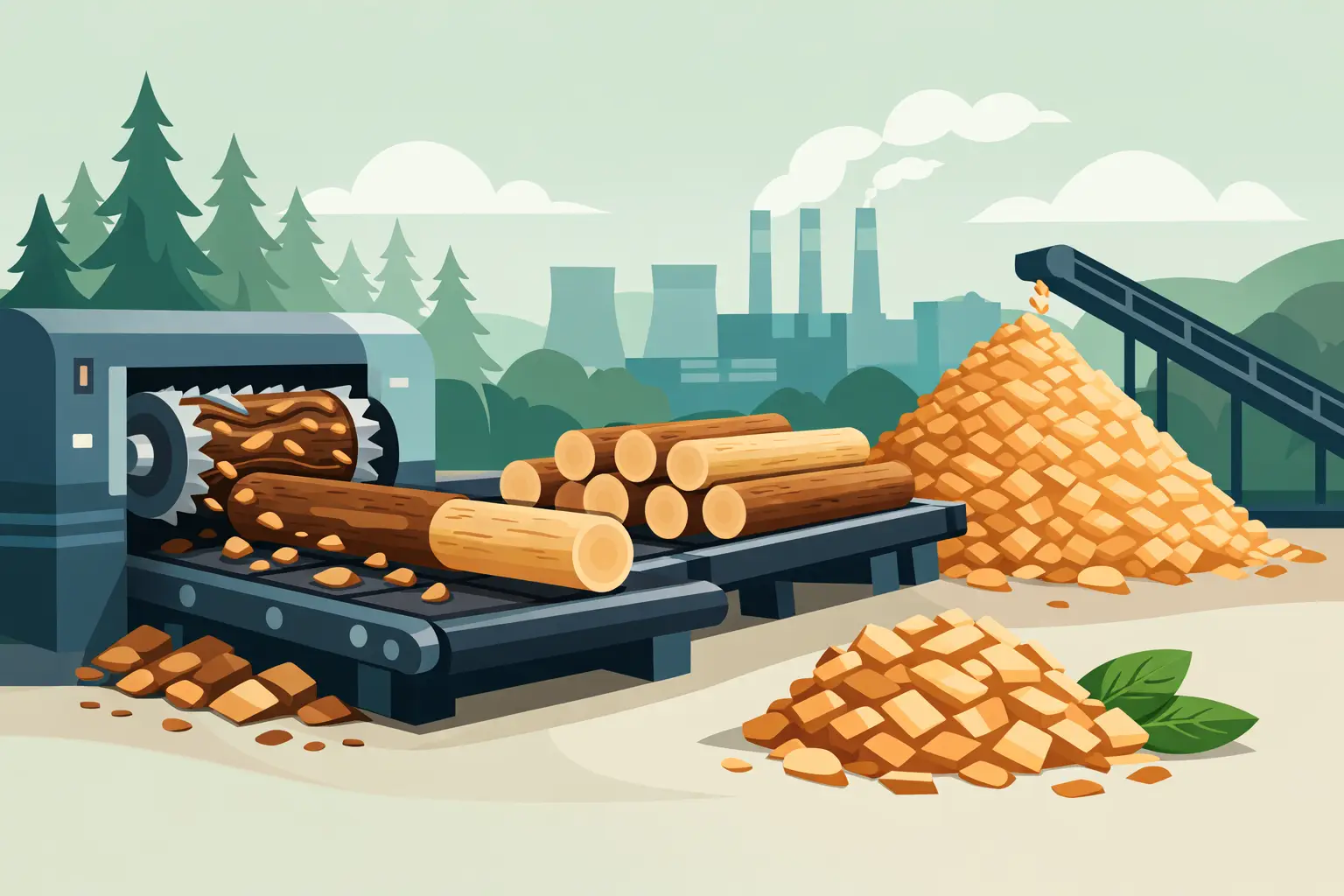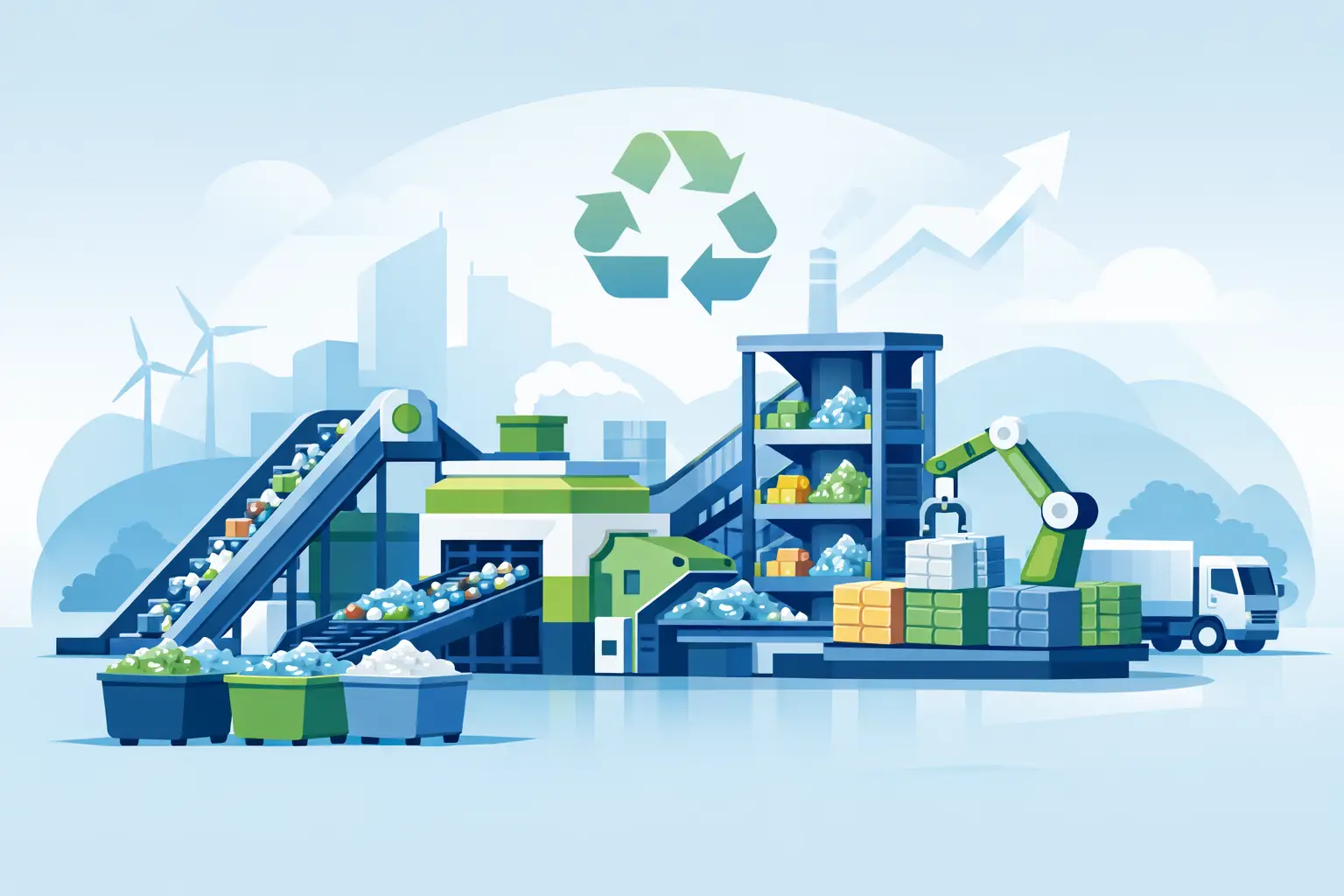
When conventional vibrating screens start plugging, production does not slow down a little – it drops fast. Wet fines build on the deck, sticky feed blinds the apertures, and operators end up fighting carryover, recirculation, and unstable output. That is exactly where a flip flow screen machine earns its place in an industrial processing line.
For plants handling difficult material, the issue is rarely just screening. It affects downstream shredding, drying, fuel preparation, and final product quality. In biomass, waste recycling, RDF/SRF production, aggregates, and mineral separation, poor screening accuracy creates bottlenecks that raise labor demand and cut line efficiency. A flip flow screen machine is designed for these conditions, especially where moisture, adhesion, and variable particle size make standard screening unreliable.
What a flip flow screen machine does differently
A flip flow screen machine separates material by particle size using a dynamic flexible screen deck rather than relying only on conventional linear vibration. The key advantage is the aggressive alternating motion of the elastic screening media. That motion continuously expands and relaxes the screen surface, helping throw off material that would normally stick, cake, or blind the openings.
In practical terms, this means the machine performs well with wet, muddy, fine, and mixed feedstock that would reduce the efficiency of a standard vibrating screen. Instead of allowing the screen apertures to stay packed with near-size particles, the deck actively clears itself during operation. For operations processing difficult fractions, that difference is not minor. It can determine whether the line runs continuously or stops for cleaning and intervention.
This matters most when feedstock is inconsistent. Municipal solid waste fractions, compost-like organics, construction and demolition fines, bark, wood chips with moisture variation, and rubber-derived material can behave very differently from hour to hour. Equipment that works only under ideal feed conditions is a risk in these environments. A flip flow screen machine is chosen because it is built for non-ideal conditions.
Where flip flow screen machines fit in industrial plants
The most common use case is difficult fine screening. Plants use this technology when they need to separate small fractions from damp or adhesive bulk material without constant deck blockage. In waste processing, it can classify mixed material streams before further sorting or fuel preparation. In biomass systems, it can remove fines or separate usable size fractions before drying, pelleting, or combustion preparation. In mineral and aggregate applications, it can handle wet fines where conventional screens lose efficiency.
It is also valuable as part of a larger engineered line. Screening is rarely a standalone decision for serious industrial buyers. The screen has to match the upstream shredder or crusher, the conveyor layout, the moisture level of the material, and the required output range. In a complete system, the screening section influences the load on the dryer, the consistency of the final product, and the wear profile of downstream machinery.
That is why project engineers usually evaluate flip flow technology in relation to the whole process, not just the machine body. A screen that solves blinding but cannot match throughput, discharge arrangement, or installation constraints will still create problems. The right solution is based on material behavior, target fraction size, and plant capacity.
Why standard screens fail with sticky and wet feed
A rigid screen deck works well when material is relatively dry, free-flowing, and predictable. Once moisture rises and fines become cohesive, the screening surface starts to blind. Near-size particles wedge in the openings. Sticky material smears over the deck. Fine fractions stop passing efficiently, and oversized contamination begins carrying over into the product stream.
Operators then compensate in expensive ways. They reduce feed rate, assign labor to manual cleaning, accept lower screening precision, or run with higher recirculation. None of those choices improves the economics of the line.
A flip flow screen machine addresses this by generating high acceleration on the flexible deck. That motion keeps the media active and discourages buildup on the screening surface. It is not magic, and it is not right for every application, but for problematic feedstock it can significantly improve throughput stability and separation performance.
Flip flow screen machine design factors that affect performance
Not all machines in this category perform the same. The engineering details determine whether the unit will handle industrial duty over the long term.
Screen media selection is one of the first considerations. Polyurethane and other elastic materials are commonly used because they can withstand repeated deformation while resisting wear. The aperture shape and size must match the target cut point and the actual behavior of the feed. A nominal opening on paper is not enough. Material moisture, particle shape, and contamination level all influence the real screening result.
Drive configuration and frame strength also matter. A high-capacity industrial machine must maintain stable vibration characteristics under heavy and uneven loads. Weak structural design leads to premature fatigue, inconsistent motion, and maintenance issues. Buyers evaluating capital equipment should pay close attention to the motion principle, installed power, screen box construction, and support arrangement.
Deck area is another practical factor. If the target throughput is aggressive but screen area is undersized, even advanced screening media will have limits. Conversely, oversizing a machine can increase capital cost and footprint without meaningful gains if the feed volume does not justify it. Proper sizing depends on tonnage, bulk density, moisture, gradation, and required separation efficiency.
Applications with the strongest return
The strongest return usually appears where material is difficult enough to punish conventional equipment. Wet RDF feed, compost overs, bark fines, construction waste fines, slag-like mixed streams, and recycled material with variable moisture are strong examples. In these environments, the value is not only in cleaner separation. It is also in reduced stoppage, less manual cleaning, and more predictable downstream loading.
For biomass operations, screening quality directly affects fuel consistency. Excess fines can alter combustion behavior or pellet quality, while oversized contamination can disrupt handling and storage. For recycling plants, a more controlled fraction improves sorting efficiency and reduces the processing burden on shredders, magnetic separators, air classifiers, and dryers.
There is still a trade-off. If the material is dry, uniform, and easy to classify, a conventional vibrating screen may be the more economical choice. Flip flow technology becomes more compelling as material difficulty increases. Buyers should be cautious of treating it as a default answer for every screening task.
What industrial buyers should ask before specifying one
A serious purchasing decision should begin with the material, not the catalog. Feedstock testing or detailed material description is critical. Moisture range, particle size distribution, contamination level, bulk density, and target output specification all affect machine selection.
It is also worth asking how the machine integrates into the line. What is the inlet size? How is the feed distributed across the deck? What happens to oversize and undersize fractions after discharge? How accessible are wear parts? What is the expected maintenance interval under continuous operation? These questions matter more than marketing language.
For export projects and large industrial installations, buyers should also look at manufacturing capability, customization options, and support for complete system design. A standalone screen may solve one issue, but many plants achieve better results when the supplier can align the screening machine with shredders, crushers, dryers, and conveying systems. That broader engineering approach reduces mismatch between equipment stages.
Zhengzhou Jinpeng Machinery Equipment Co., Ltd. serves this type of requirement with industrial screening and processing solutions built around actual application demands rather than generic machine selection.
Installation and operating realities
Even a well-chosen machine can underperform if installation is poor. Feed must be presented evenly. Structural support must be adequate. Maintenance access has to be practical, especially in plants running long shifts or continuous duty. Operators also need realistic expectations. A flip flow screen machine improves performance with difficult material, but it does not eliminate the need for proper feeding, routine inspection, and wear-part management.
Operating teams should monitor screen media wear, vibration condition, discharge cleanliness, and actual product gradation. If feed conditions change seasonally, machine settings and line balance may need adjustment. This is common in green waste, biomass, and municipal waste applications where moisture and composition vary significantly.
The best results come from matching machine design to the process objective. If the goal is maximum fine recovery from wet feed, the setup will differ from a line focused on rough pre-classification ahead of shredding or drying. Industrial screening works best when the equipment is specified for the job it actually has to do, not the job described in a simplified purchasing sheet.
A flip flow screen machine is not just a replacement for a vibrating screen. In the right application, it is a corrective step that stabilizes production, protects downstream equipment, and improves the value of the processed material. If your plant is losing capacity to blinding, sticky fines, or inconsistent screening results, the smarter move is to evaluate the behavior of the material first and then build the screening solution around it.