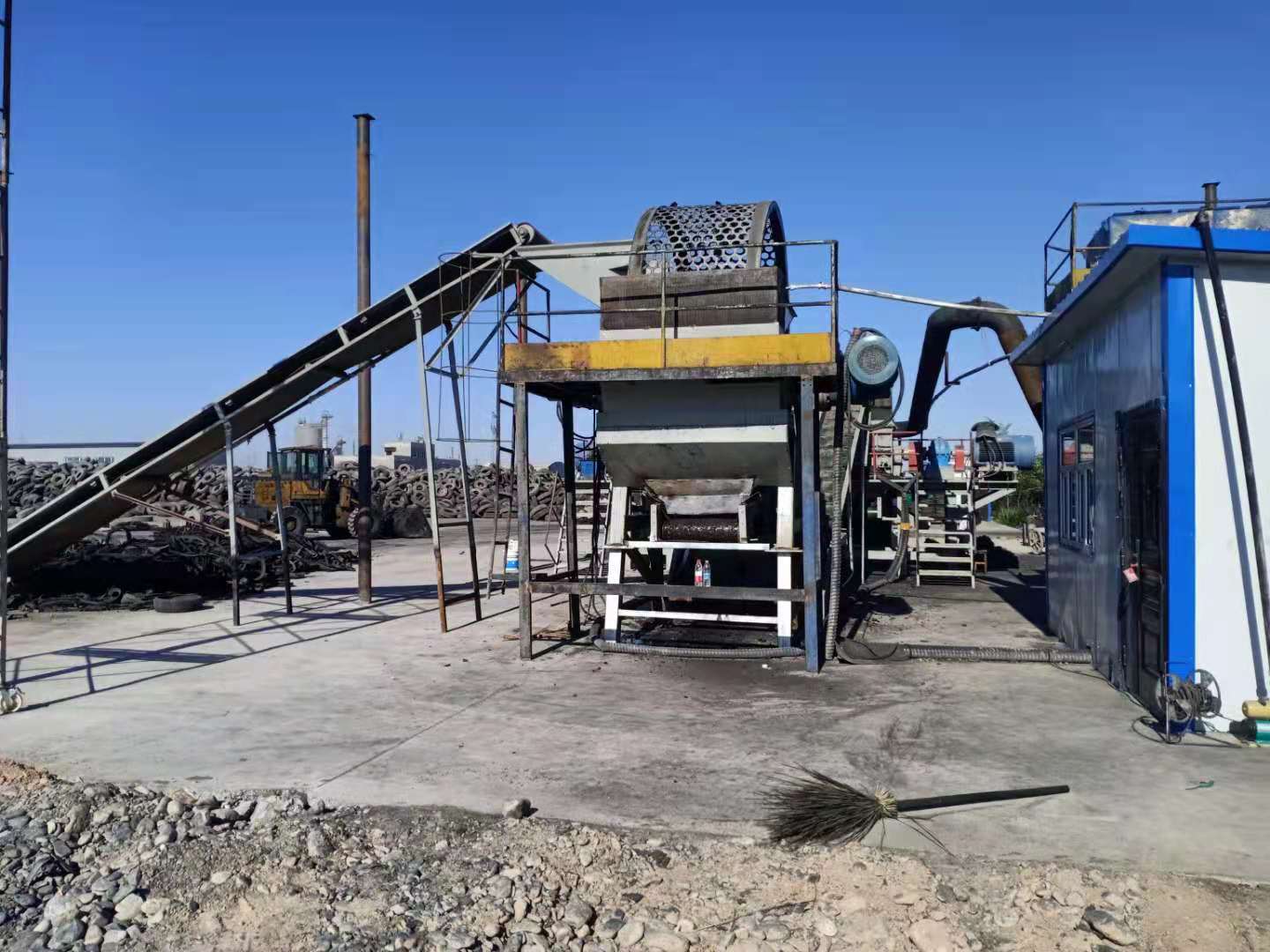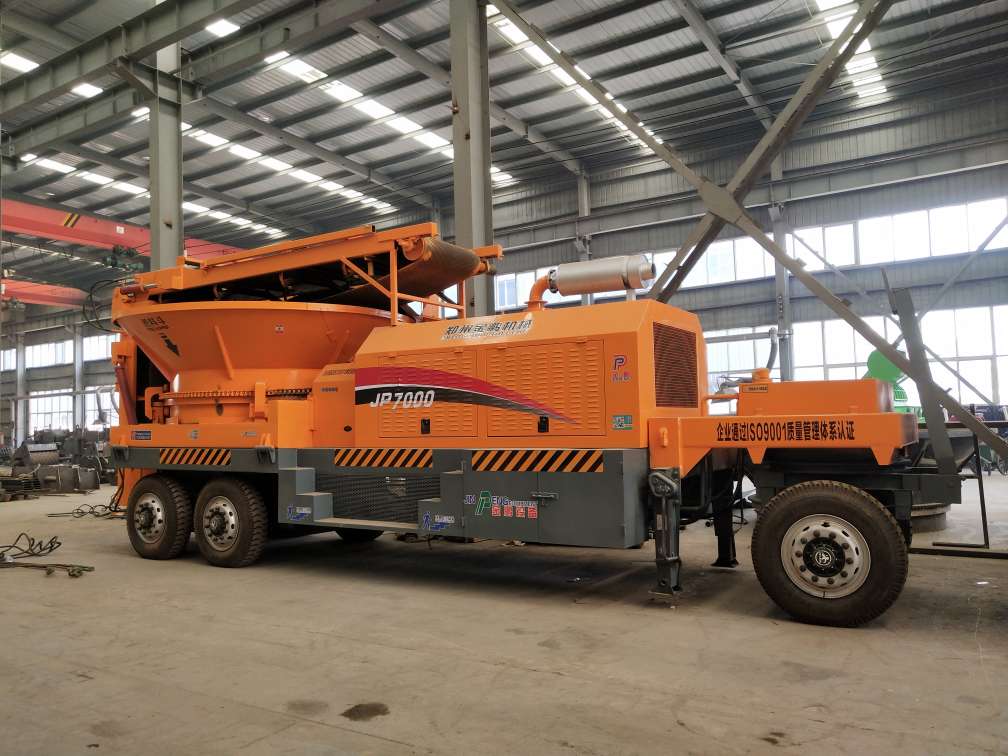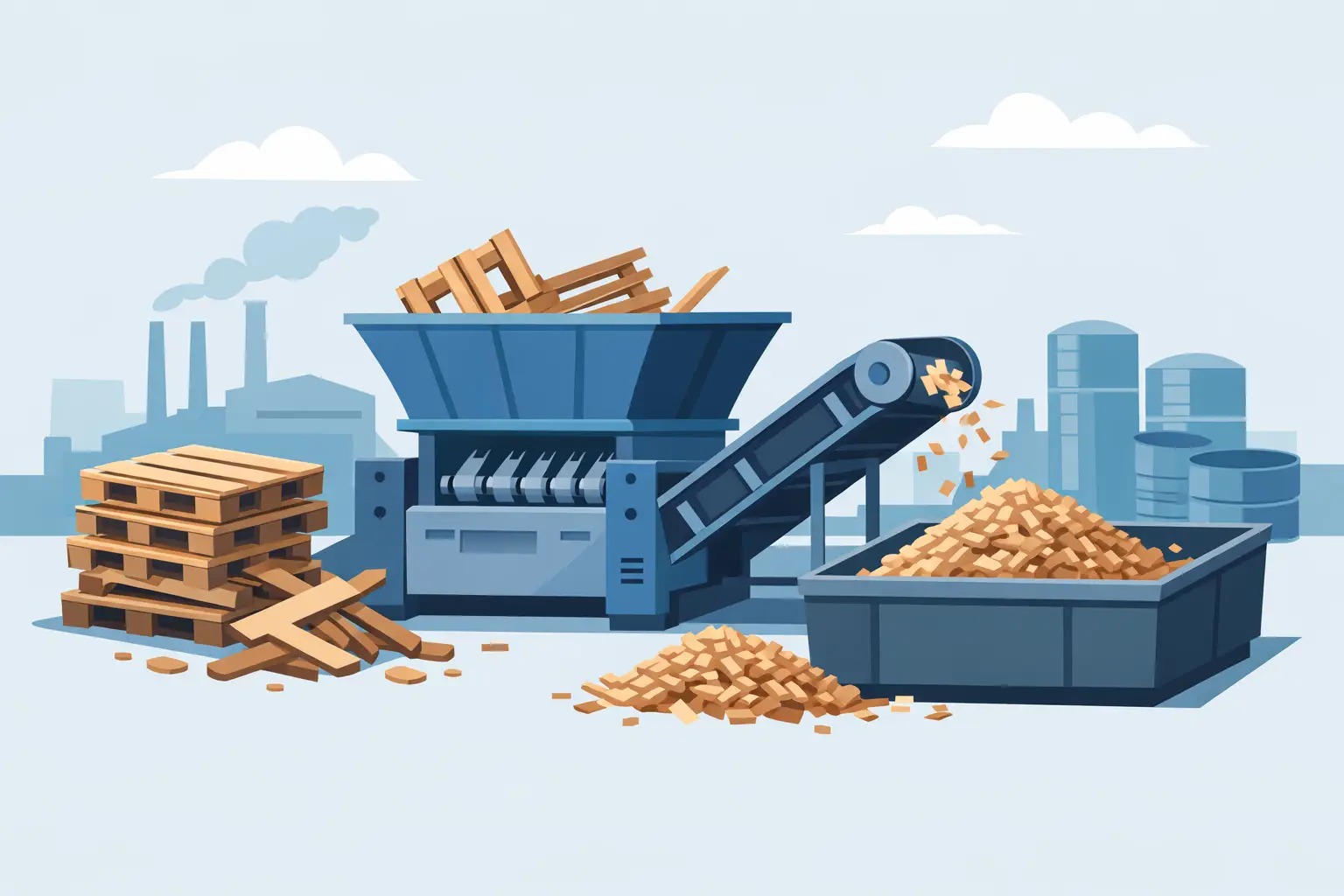
A waste line usually fails at the same point – bulky, mixed, irregular material reaches the first reduction stage, and the equipment either stalls, wears too fast, or delivers output that is too inconsistent for the next machine. That is exactly where a double shaft shredder for waste earns its place. In industrial recycling and solid waste processing, this machine is not just an entry-level shredder. It is the front-end force that turns difficult feedstock into manageable, continuous material flow.
For plant owners, project engineers, and procurement teams, the question is not whether dual-shaft shredding works. The real question is whether the machine is matched to the waste stream, downstream process, and production target. A well-selected unit improves throughput, stabilizes the line, and reduces labor-intensive pre-handling. A poorly selected one creates bottlenecks just as quickly as it removes them.
What a double shaft shredder for waste actually does
A double shaft shredder uses two counter-rotating shafts fitted with cutter stacks that pull, tear, and shear incoming material. Unlike high-speed crushing equipment, the process is based on torque rather than impact. That distinction matters because many waste streams are not brittle, clean, or uniform. They are tough, tangled, wet, contaminated, and oversized.
In practical terms, a double shaft shredder is designed for primary reduction. It breaks down material volume and prepares feedstock for the next stage, whether that means magnetic separation, screening, secondary shredding, RDF production, tire recycling, biomass preparation, or transport optimization. For many facilities, the first objective is not a final particle size. It is controlled bulk reduction with reliable discharge.
This is why dual-shaft machines are common in municipal solid waste, industrial waste, bulky waste, wood waste, plastic waste, cable scrap, textile waste, paper mill rejects, and various mixed recyclables. They handle feedstock that would challenge more rigid size-reduction systems.
Where dual-shaft shredding fits in a processing line
In most industrial systems, the double shaft shredder sits at the beginning of the line. It receives unprocessed or minimally sorted material and reduces it to a size that conveyors, separators, and secondary equipment can handle more consistently. That front-end role has direct impact on total plant efficiency.
If downstream equipment includes a trommel screen, magnetic separator, air classifier, or fine shredder, the primary shredder has to do more than cut material. It must create a steady burden depth and acceptable piece geometry. When output is too unpredictable, downstream sorting loses efficiency. When output is too coarse, recirculation increases. When output is too fine at the primary stage, power demand and wear can rise unnecessarily.
This is why system design matters as much as the shredder itself. A plant processing RDF or SRF feedstock may require one cutter configuration, while a line handling green waste, wood residues, or commercial waste may require another. In export-oriented industrial projects, machine selection should be tied to the full process objective, not just the nameplate power of the shredder.
Why industrial buyers choose a double shaft design
The main advantage is controlled shredding of difficult material under high torque. A dual-shaft machine can grip bulky feedstock, reverse automatically when overloaded, and continue processing without the violent reaction associated with some high-speed systems. For operations dealing with mattresses, pallets, drums, films, roots, offcuts, tires, and mixed waste, that operating behavior is often the difference between a stable line and frequent stoppages.
Another reason is versatility. One machine can often process a broad range of materials with the right cutter design, drive configuration, and screen or discharge arrangement. That flexibility is valuable for facilities where feedstock changes by season, supplier, or contract.
There is also a maintenance advantage, although it depends on machine quality. Heavy-duty shafts, wear-resistant cutters, reinforced housing, and accessible servicing zones reduce downtime over the long term. In B2B operations, uptime is not a marketing phrase. It is a measurable production cost.
Key specifications that affect real performance
The first specification buyers usually ask about is capacity, but throughput only has meaning when tied to a defined material. Five tons per hour of loose industrial film is not the same as five tons per hour of mixed commercial waste or scrap wood with metal contamination. Serious equipment evaluation starts with feedstock details, moisture range, bulk density, contamination level, and target output condition.
Torque is often more important than raw speed. High torque allows the shredder to bite into dense or elastic material and maintain processing continuity under load. Motor power matters, but gearbox design and shaft strength matter just as much. If the drive train is undersized, the machine may look competitive on paper and underperform in actual plant conditions.
Cutter geometry directly affects both output and wear. Aggressive cutters improve grabbing action on bulky waste, while other tooth profiles are better for denser materials or more controlled size reduction. Cutter thickness, hook pattern, and material composition should be selected around the waste stream rather than treated as generic parts.
Chamber size also deserves close attention. Large feed openings support bulky items and reduce pre-cutting labor, but oversized chambers without proper torque and shaft design can compromise efficiency. The right chamber is the one that matches loading method, infeed dimensions, and production rhythm.
Trade-offs buyers should evaluate before ordering
There is no single best double shaft shredder for every waste project. It depends on the process target.
If the goal is volume reduction for transport or landfill pre-treatment, coarse shredding may be sufficient. In that case, the priority may be durability and low operating cost rather than tight output control. If the goal is RDF or SRF preparation, the shredder must support a more disciplined downstream sequence, often with secondary shredding and screening. Here, consistency at the primary stage becomes more important.
Material variability is another trade-off. A machine optimized for wood waste may not be ideal for mixed municipal solid waste. A unit designed around tire applications may require different cutter spacing and wear strategy than one intended for plastic drums or textile waste. Buyers who try to cover every possible application with one generic specification often end up sacrificing efficiency in the materials they process most often.
Then there is the balance between initial investment and lifecycle cost. Lower-priced machines can appear attractive during procurement, but unplanned downtime, faster cutter wear, limited spare parts support, and difficult maintenance quickly raise the true cost of ownership. Industrial buyers usually recover more value from equipment that is engineered for continuous duty and supported with clear technical consultation.
How to select the right machine for your plant
A proper equipment selection process starts with samples, not assumptions. Waste composition should be analyzed in realistic operating terms, including oversized pieces, contamination, moisture variation, and expected surges. A supplier should ask detailed application questions because that is how shaft configuration, cutter design, drive power, discharge method, and line integration are defined correctly.
It is also worth evaluating how the shredder will be loaded. Manual feeding, forklift loading, grab crane feeding, and conveyor metering all place different demands on hopper design and infeed control. The same is true for discharge. If shredded material feeds directly to a belt conveyor, the machine should discharge evenly enough to protect downstream handling equipment.
For larger projects, buyers should look beyond the single machine. Electrical controls, overload protection, intelligent reversing, wear-part management, and integration with screening or separation systems all influence production reliability. A manufacturer with broader line capability can often design a more effective overall solution than a supplier focused on one machine category alone.
Zhengzhou Jinpeng Machinery Equipment Co., Ltd. addresses this need by combining shredding equipment with supporting systems for screening, crushing, drying, and recycling applications, which is especially relevant for buyers building complete waste processing or biomass preparation lines.
Common applications in industrial waste processing
Dual-shaft shredders are widely used in bulky waste reduction, commercial and industrial waste pre-processing, RDF and SRF preparation, wood offcut recycling, green waste volume reduction, and tire or rubber pre-shredding. They are equally valuable in plants where the objective is not recycling in the strict sense, but feedstock conditioning for storage, transport, incineration, or secondary recovery.
Their strength is not precision finishing. Their strength is taking difficult, inconsistent material and making the rest of the plant possible. That is why they remain a core machine in modern waste systems.
When a waste project is underperforming, the root cause is often upstream. Better primary shredding does not solve every problem, but it gives the entire line a stronger starting point – and that is where operational results usually begin.