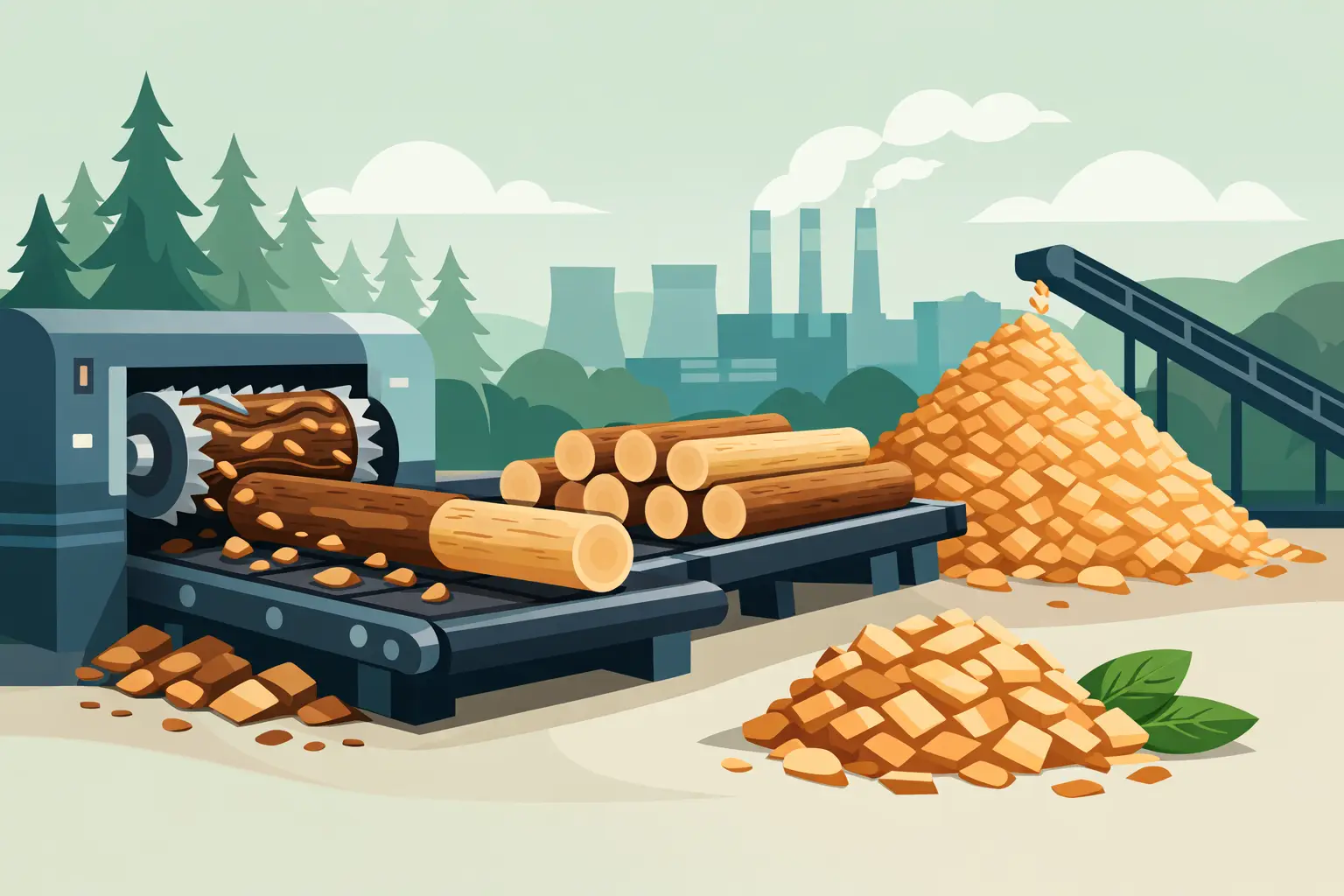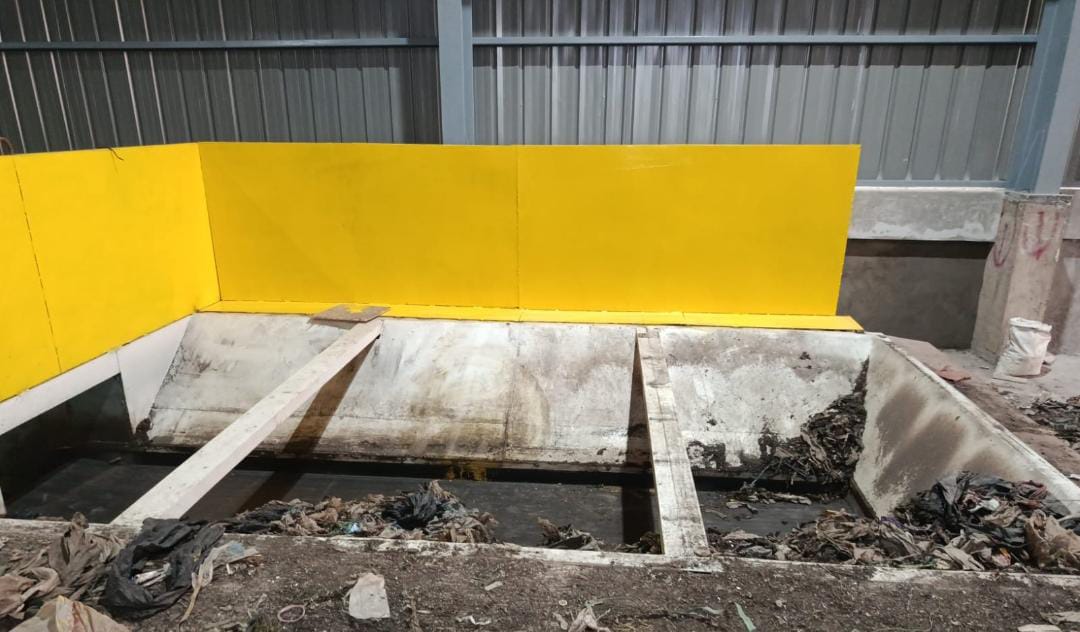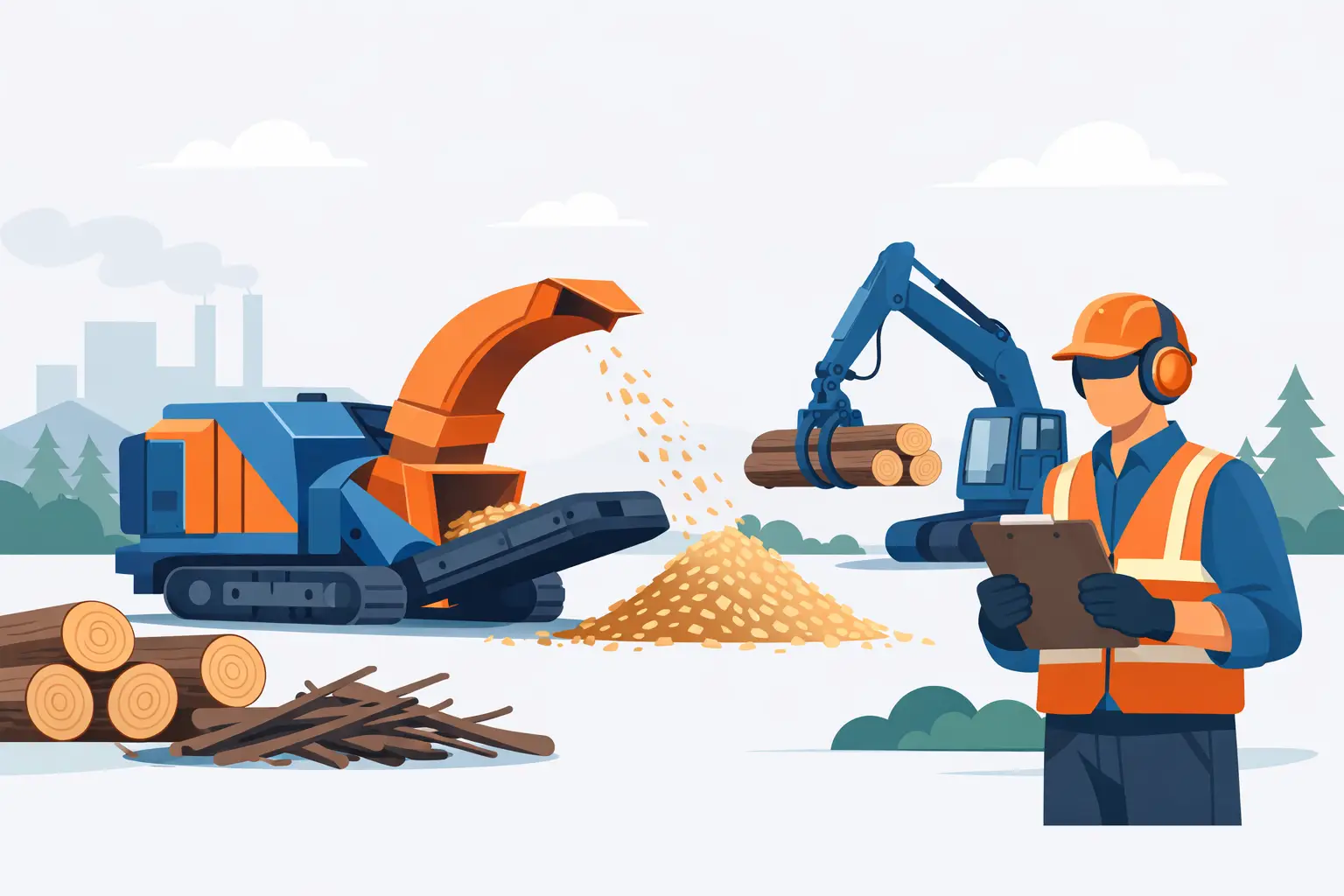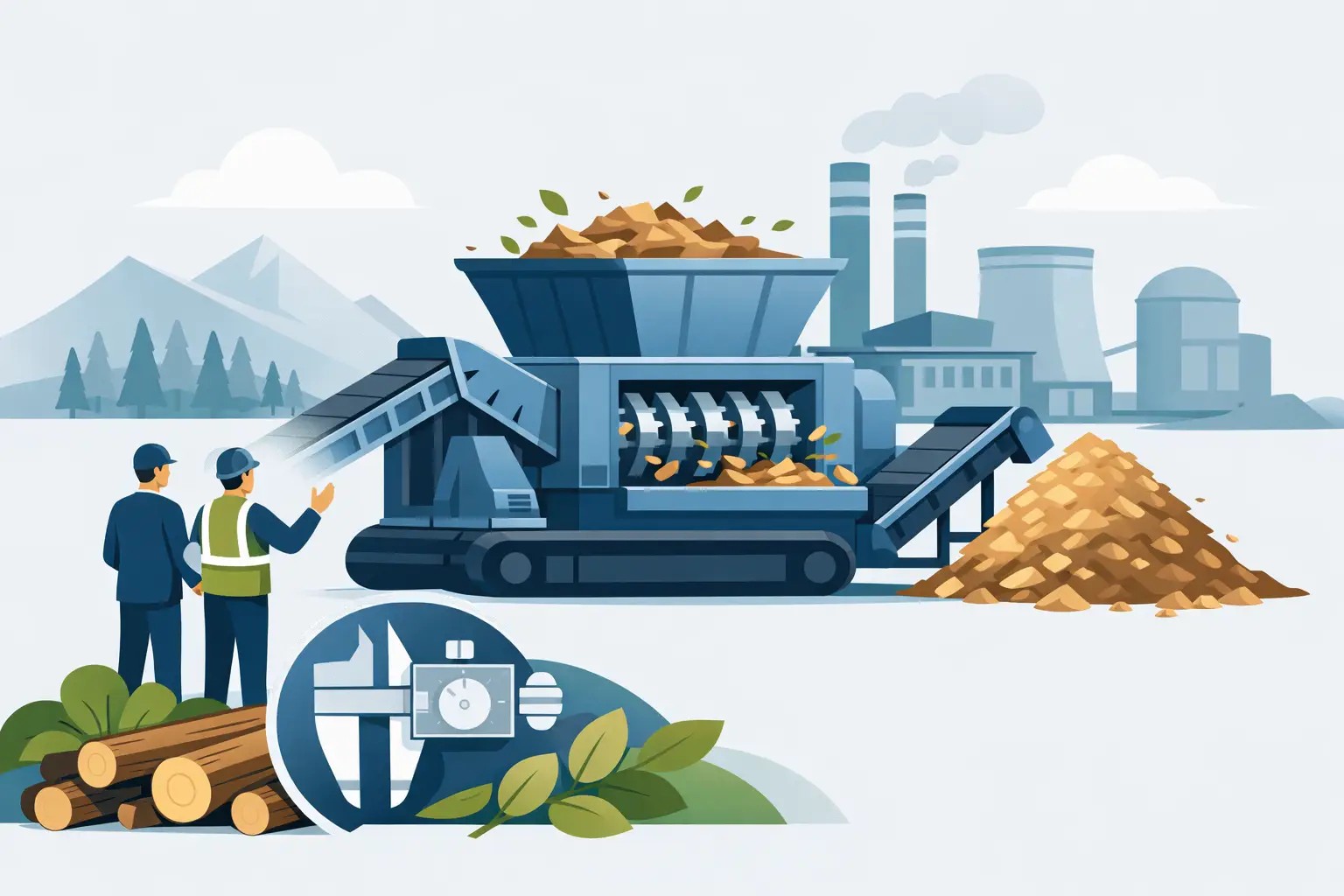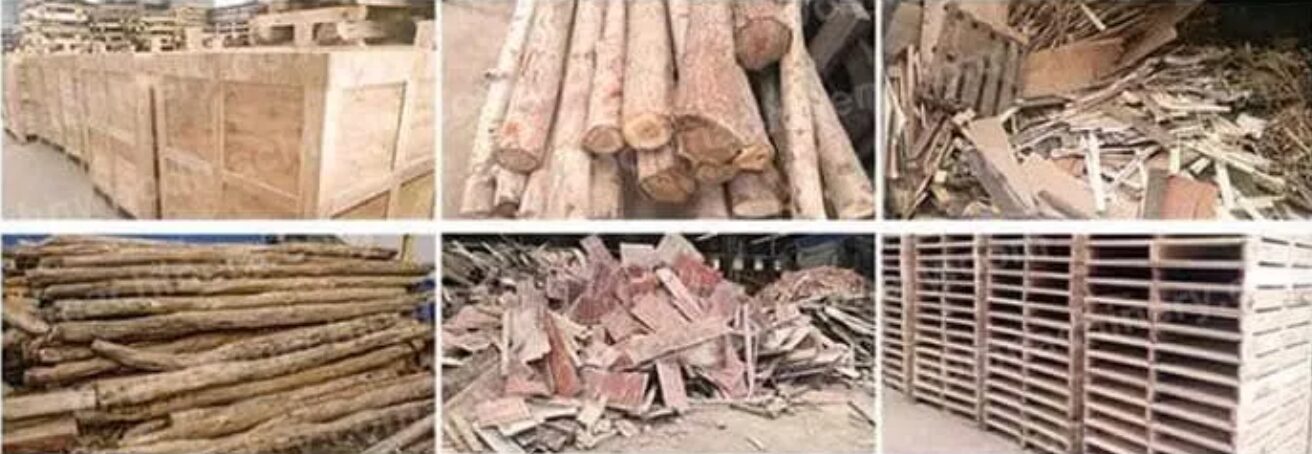
Broken pallets consume yard space, create handling risk, and cost money every time a forklift moves them. Knowing how to shred pallet waste turns this bulky material into a controlled feedstock for biomass fuel, engineered wood products, recycling, or RDF/SRF preparation. The right result depends less on simply feeding pallets into a machine and more on matching the equipment, discharge size, metal separation, and downstream process to the condition of the incoming material.
For industrial operators, pallet recycling is rarely a one-machine question. Clean, uniform wooden pallets require a different approach from mixed pallets containing nails, metal brackets, moisture, paint, plastic film, and damaged blocks. A properly designed line reduces manual handling, protects downstream equipment, and produces a more consistent material stream.
Start by Classifying the Pallet Waste
Before selecting a shredder or grinder, identify what is actually entering the plant. Reusable pallets should be separated for repair or resale whenever practical. Shredding is most effective for broken, contaminated, nonstandard, or uneconomical-to-repair pallets.
Clean, untreated wood pallets are generally the simplest feedstock. They can be processed into wood chips for biomass boilers, panel-board raw material, compost bulking material, or secondary milling. However, industrial pallet streams often include nails, screws, hinges, plastic wrap, labels, and occasional pieces of steel strapping. These contaminants determine whether the line needs a heavy-duty shredder, an overband magnet, a metal detector, or all three.
Moisture also affects the process. Wet pallets may shred effectively, but their material is less suitable for combustion or pellet production without drying. Painted, treated, or chemically contaminated pallets require careful evaluation before they are directed toward fuel applications. The intended end use must be confirmed before processing begins.
How to Shred Pallet Waste: Build the Right Process
A reliable pallet-waste line usually follows a sequence: receiving and inspection, feeding, primary size reduction, metal separation, secondary grinding or screening, and storage or transport. The exact arrangement depends on capacity targets, pallet construction, and output requirements.
Feed Pallets Consistently
Irregular manual feeding is one of the fastest ways to reduce throughput and create avoidable downtime. For medium- and high-volume facilities, pallets should be loaded by forklift onto a steel chain conveyor, apron feeder, or infeed conveyor designed for impact loading. This creates a steady feed rate and prevents operators from forcing material into the cutting chamber.
Oversized pallets, stacked units, or pallets with projecting hardware may require basic pre-processing. Operators should remove excessive steel strapping, large metal fittings, and non-wood attachments when economically justified. This does not mean every nail must be removed by hand. Industrial shredders are built to process nailed wood, but removing obvious contaminants reduces wear and improves the value of the final product.
Use a Shredder for Dirty or Nailed Pallets
For mixed and nail-containing pallet waste, a low-speed, high-torque shredder is typically the primary machine. Single-shaft shredders use a rotor with cutters and a hydraulic pusher to control material contact with the rotor. They are well suited to producing a more uniform output size when paired with a screen below the cutting chamber.
A dual-shaft shredder is often selected for aggressive initial reduction of bulky, irregular pallets. Its two counter-rotating shafts pull material into the cutters and can handle variable feedstock with limited preparation. The discharge is usually less uniform than screened single-shaft shredding, so a second-stage grinder may be needed where particle size matters.
The choice depends on the production objective. If the goal is volume reduction and easier transport, a dual-shaft shredder may be enough. If the goal is controlled wood fuel or a feedstock for further processing, a single-shaft shredder or a shredder-plus-grinder arrangement provides better output control.
Separate Ferrous Metal After Primary Reduction
Nails are unavoidable in most discarded pallets. Sending metal-contaminated shredded wood directly into a hammer mill, pellet mill, boiler fuel system, or finished-product stream can cause damage and quality problems. Install a magnetic separator after primary shredding to recover ferrous metal from the material flow.
An overband magnet above a discharge conveyor is common for high-volume operations. A drum magnet may be used where the material is already evenly distributed and where consistent separation is required. For sensitive downstream equipment, metal detection can provide an additional layer of protection by identifying stray nonferrous or oversized metal pieces that a magnet cannot remove.
Recovered nails and steel can be collected for recycling. More importantly, metal separation extends the service life of screens, hammers, conveyors, and other downstream components.
Select the Final Size Based on the End Market
There is no single correct shred size for pallet waste. Producing material that is too coarse can limit its use. Producing it too fine can increase power consumption, wear, dust, and processing cost without improving the selling price.
For boiler fuel or biomass preparation, primary shredded wood may need additional grinding to achieve a chip or fiber size that matches the combustion system. A horizontal grinder or fine wood grinder mill can reduce the material further after magnetic separation. Screen selection controls the final particle-size range, but smaller screens reduce capacity and increase energy demand.
For RDF/SRF applications, shredded pallet wood can be part of a broader combustible fraction that includes paper, plastics, textiles, and other nonrecyclable materials. In these systems, size consistency is necessary for storage, conveying, and co-processing, but the target size should be set by the receiving facility.
For particleboard, fiberboard, animal bedding, mulch, or compost applications, cleanliness and product specification are often more important than maximum throughput. Painted wood, treated wood, and residual metal may disqualify material from some markets. Do not treat all pallet waste as interchangeable wood fiber.
Design for Capacity, Not Just Machine Nameplate
A shredding system should be sized around the actual operating condition, not a theoretical maximum. Pallet dimensions, wood species, nail density, moisture, contamination, required output size, and daily operating hours all influence achievable capacity.
A plant receiving 10 tons of pallets per day may need a different configuration from a transfer station processing 20 tons per hour. The first may prioritize compact footprint and flexible operation; the second needs continuous feeding, automatic discharge, metal separation, and enough buffer capacity to prevent line stoppages.
When evaluating equipment, define the required throughput in tons per hour and the expected material composition. Ask how the machine handles nails, whether the rotor and cutters are serviceable, what screen options are available, and how overload protection works. Torque, motor power, rotor diameter, cutter configuration, and hydraulic pusher force should be assessed together rather than as isolated specifications.
Control Dust, Noise, and Fire Risk
Wood shredding creates airborne dust, especially after secondary grinding. Dust control is not optional in enclosed industrial facilities. A properly sized collection system with ducting, filtration, and controlled discharge helps protect workers, reduce housekeeping time, and support safer operation.
Fire prevention should be built into the line layout. Keep combustible dust from accumulating around motors, conveyors, and electrical cabinets. Use temperature monitoring where material may remain in storage, and establish clear procedures for hot work and equipment inspection. If the processed wood is stored for biomass use, manage pile size and turnover to reduce the risk of heat buildup.
Operators also need guarding, emergency-stop access, lockout procedures, and training for jam clearing. Never allow personnel to reach into a hopper or cutting chamber while the system is energized. High-torque shredders can restart automatically after overload events if controls are not properly isolated.
Plan Maintenance Around Wear Parts
Pallets are abrasive feedstock because of nails, grit, and dense hardwood components. Cutter wear is expected, not exceptional. A maintenance plan should include routine inspection of cutters, counter knives, screens, bearings, hydraulic systems, conveyor chains, and magnetic separators.
Keeping replacement cutters and screens on site can prevent a small wear issue from becoming extended downtime. Reversible or replaceable cutter designs reduce service cost, but only when operators follow the correct inspection intervals. Monitor motor load and output quality as well. A sudden drop in throughput or increase in oversize material often signals that cutters or screens require attention.
For integrated projects, Zhengzhou Jinpeng Machinery Equipment can configure pallet-waste processing equipment around the required feed condition, capacity, metal removal, and final material specification. The best line is not necessarily the largest machine. It is the one that converts your actual pallet stream into a saleable or usable material with predictable operating cost.
A pallet pile is a logistics problem until it becomes a controlled feedstock. Start with a representative sample of the material, define the destination for the finished wood fraction, and size the shredding line around that target. That approach delivers a system built for production rather than a machine selected by appearance alone.