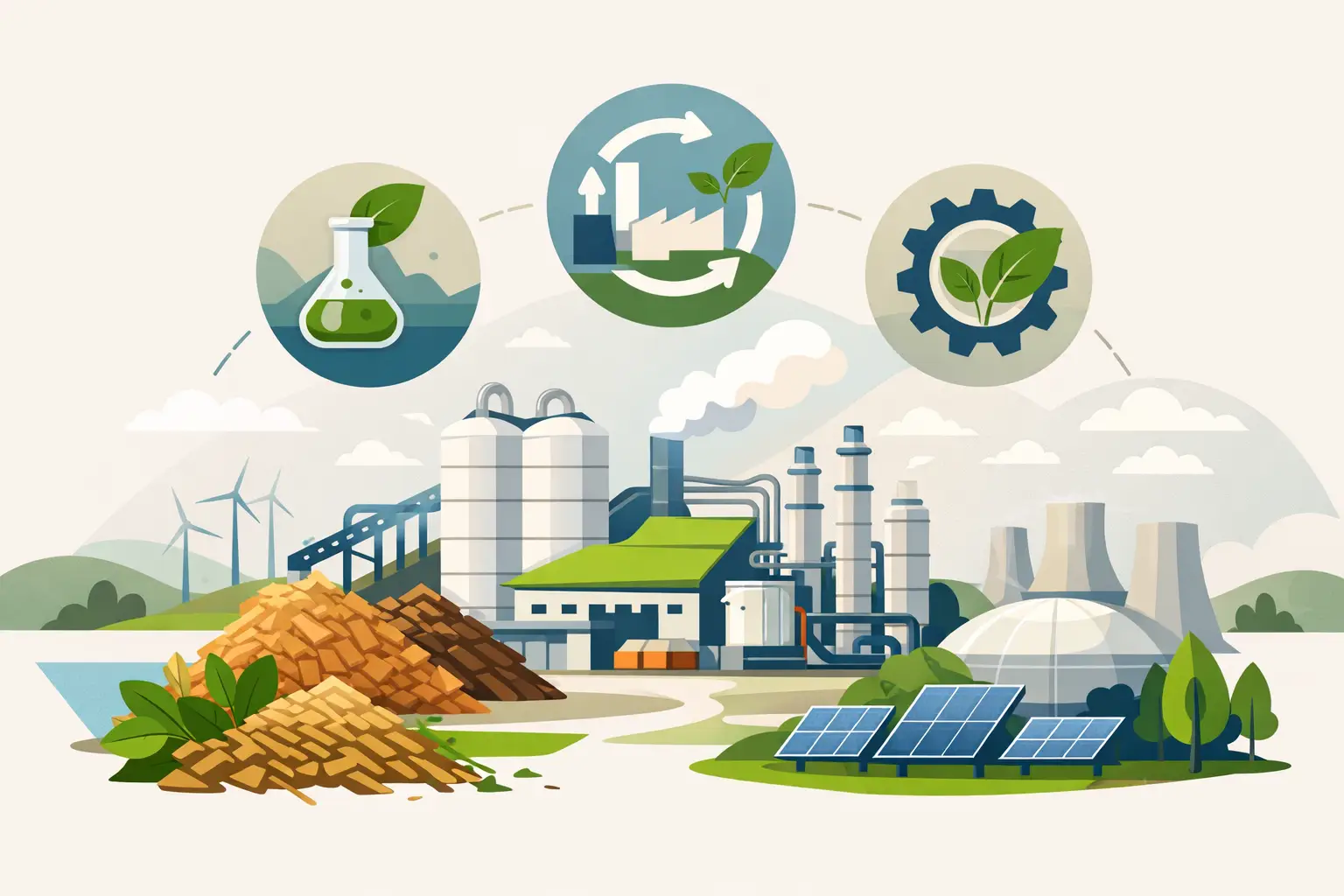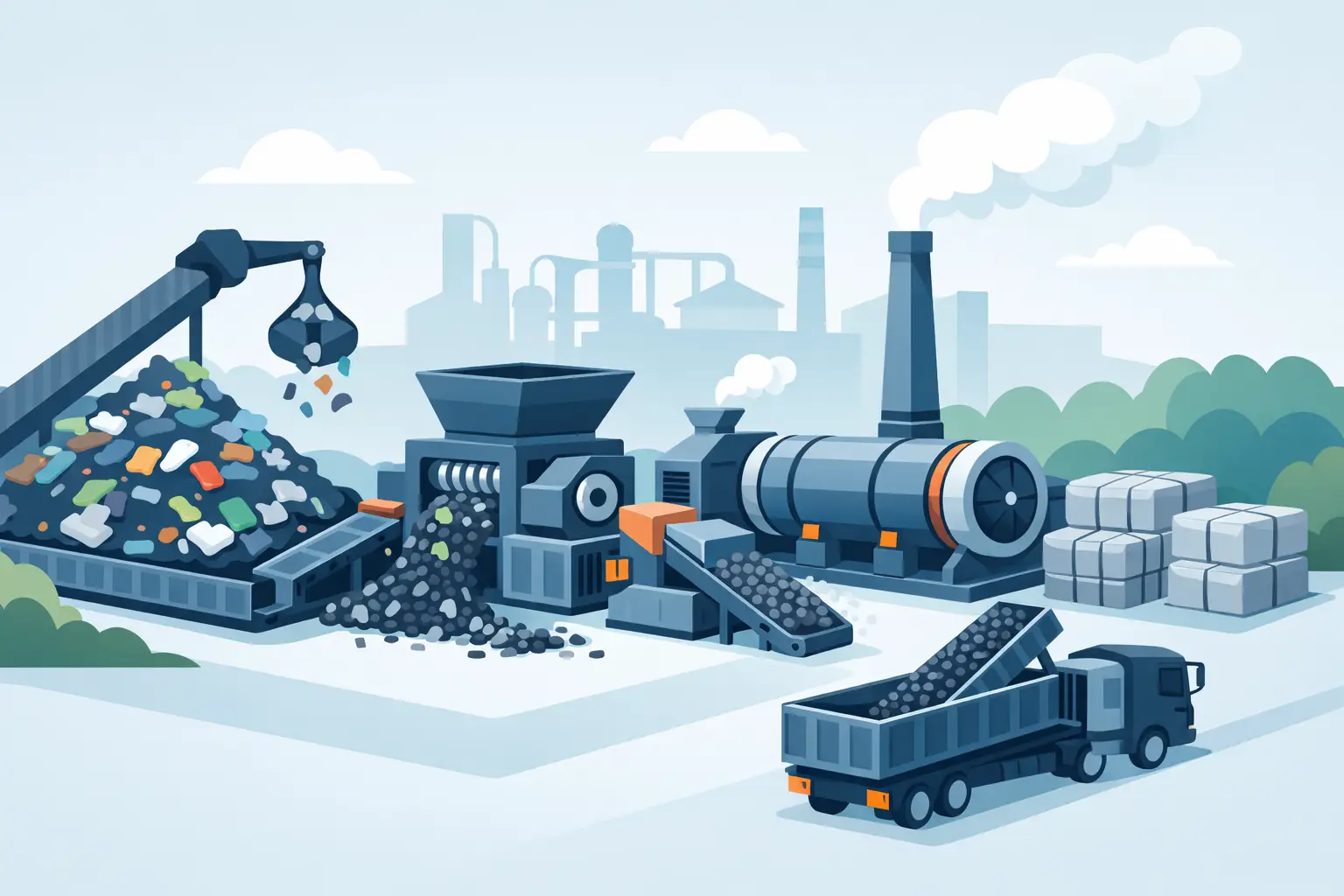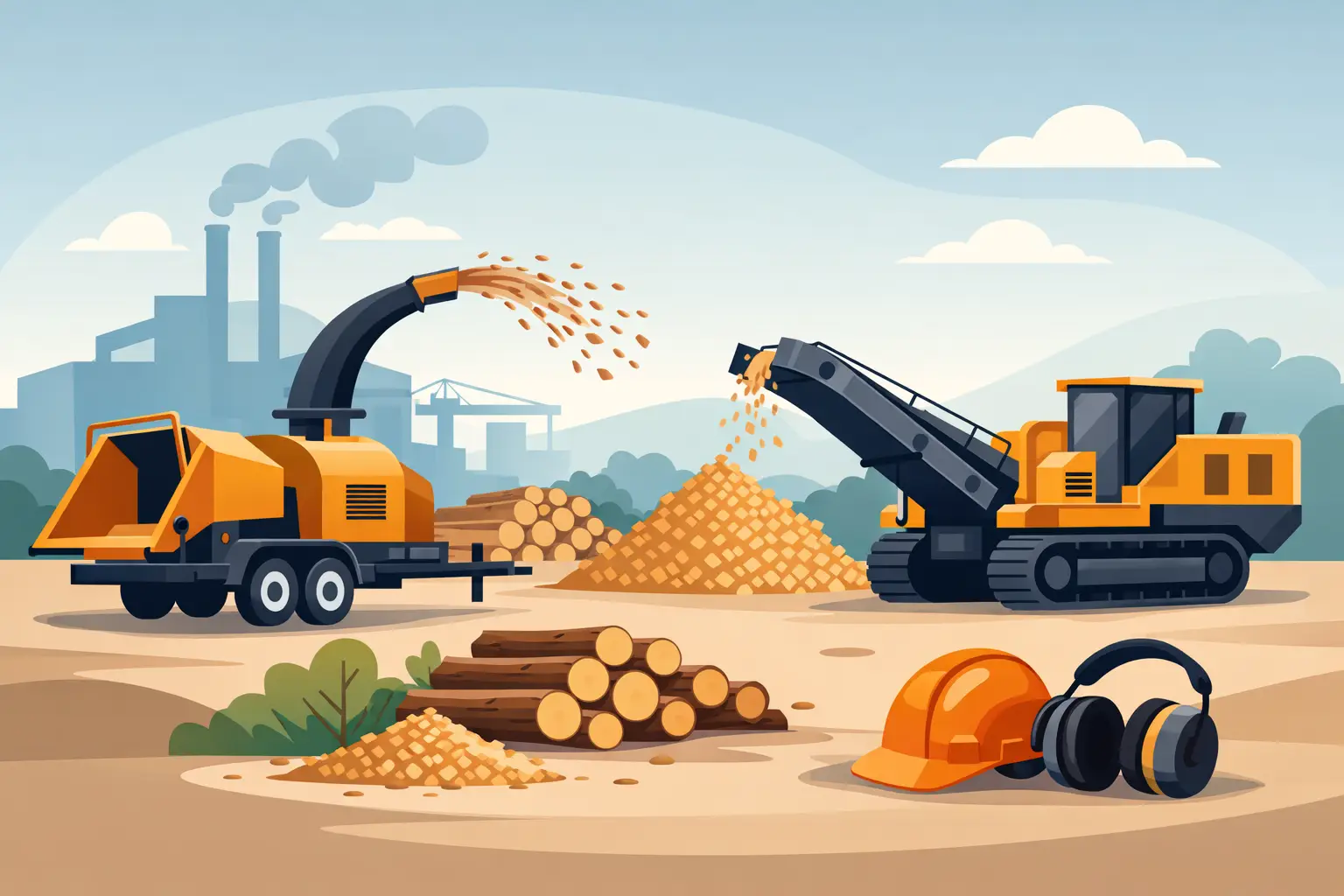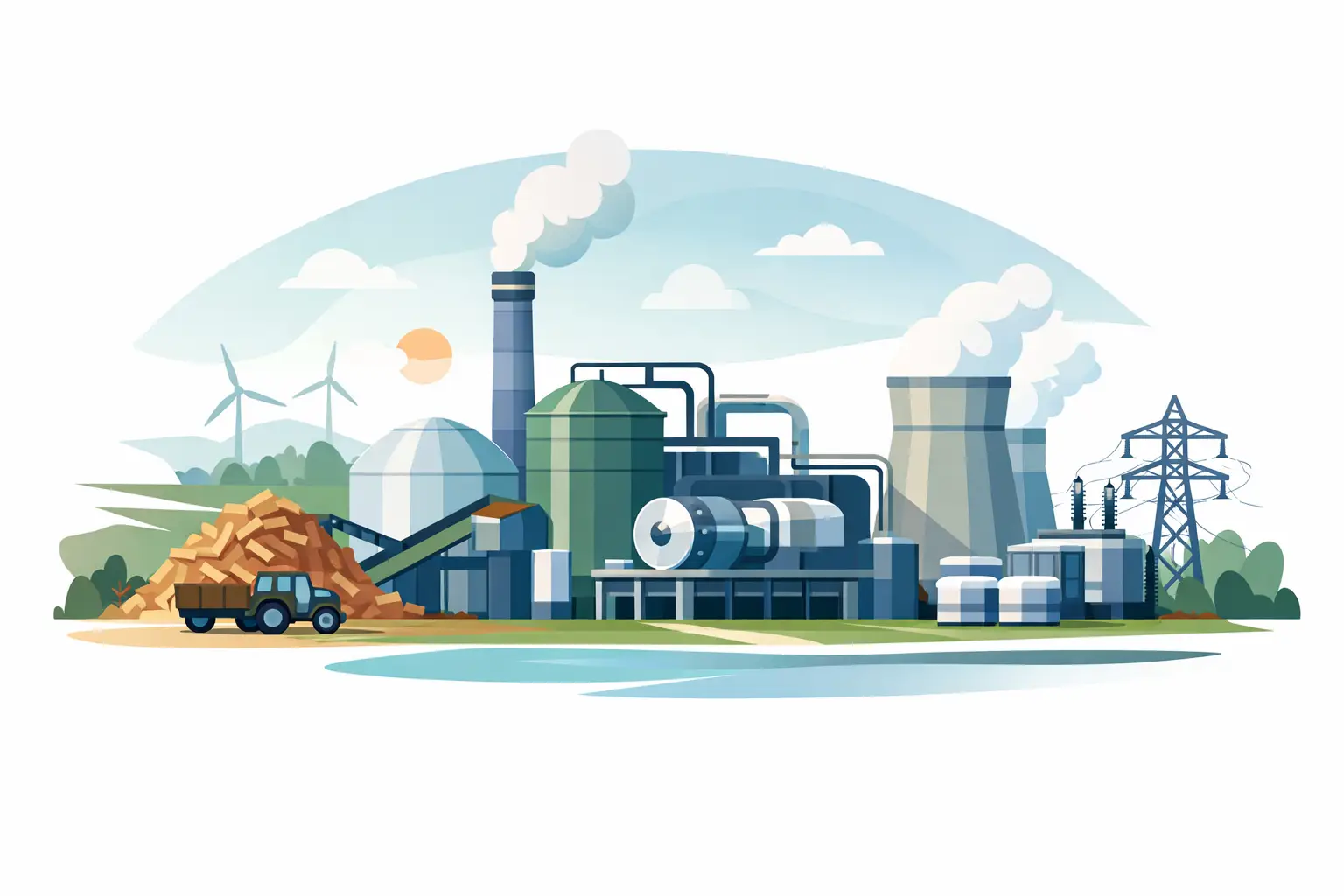
Mixed municipal solid waste (MSW) does not arrive at a plant as a clean and stable material. It can be wet, dirty, bulky, abrasive, and highly variable. A well-designed MSW sorting project turns this mixed waste into useful material streams, such as ferrous metals, nonferrous metals, plastics, organics, inert materials, and RDF or SRF fuel.
The key to a successful sorting plant is not one machine. It is the right combination of machines, the correct process flow, and good system design.
For plant owners and project engineers, the goal is simple: recover more valuable materials while controlling labor, wear, power use, and downtime. To achieve this, the equipment must match the actual waste type, capacity, final products, and local market requirements.
Start the MSW Sorting Project With the Waste
Equipment selection should start with a waste survey, not a machine catalog.
Municipal solid waste can contain plastic film, rigid plastics, paper, textiles, food waste, wood, glass, ferrous metals, nonferrous metals, construction waste, batteries, and large household items. The waste mix can also change with the season, collection area, local business activity, and source separation practices.
Moisture is one of the most important factors. Wet waste can stick to screens, reduce sorting accuracy, and lower the heating value of RDF. In contrast, dry commercial waste usually makes it easier to recover paper, plastic, and other combustible materials.
Before designing an MSW sorting line, define the following:
- Waste input in tons per hour
- Daily operating hours
- Waste particle size
- Bulk density
- Moisture content
- Waste composition
- Percentage of oversized materials
- Required final products
- Available power supply
- Available installation space
These factors affect the conveyor width, hopper size, shredder power, screening area, separation equipment, and dust control system.
It is also important to consider peak waste delivery. A plant should not only handle average capacity. It should also manage higher loads without overloading the main equipment.
The final product also affects the process design. For example, an RDF plant may need controlled particle size, low inert content, low chlorine, and stable calorific value. A material recovery facility may focus more on clean metal, PET, HDPE, cardboard, paper, or plastic film.
Therefore, the target product should be clear before equipment selection begins.
Core Equipment for an MSW Sorting Line
A complete MSW sorting system usually starts with waste receiving and controlled feeding. A moving-floor system, loading hopper, apron feeder, or plate conveyor can feed irregular waste into the line at a stable rate.
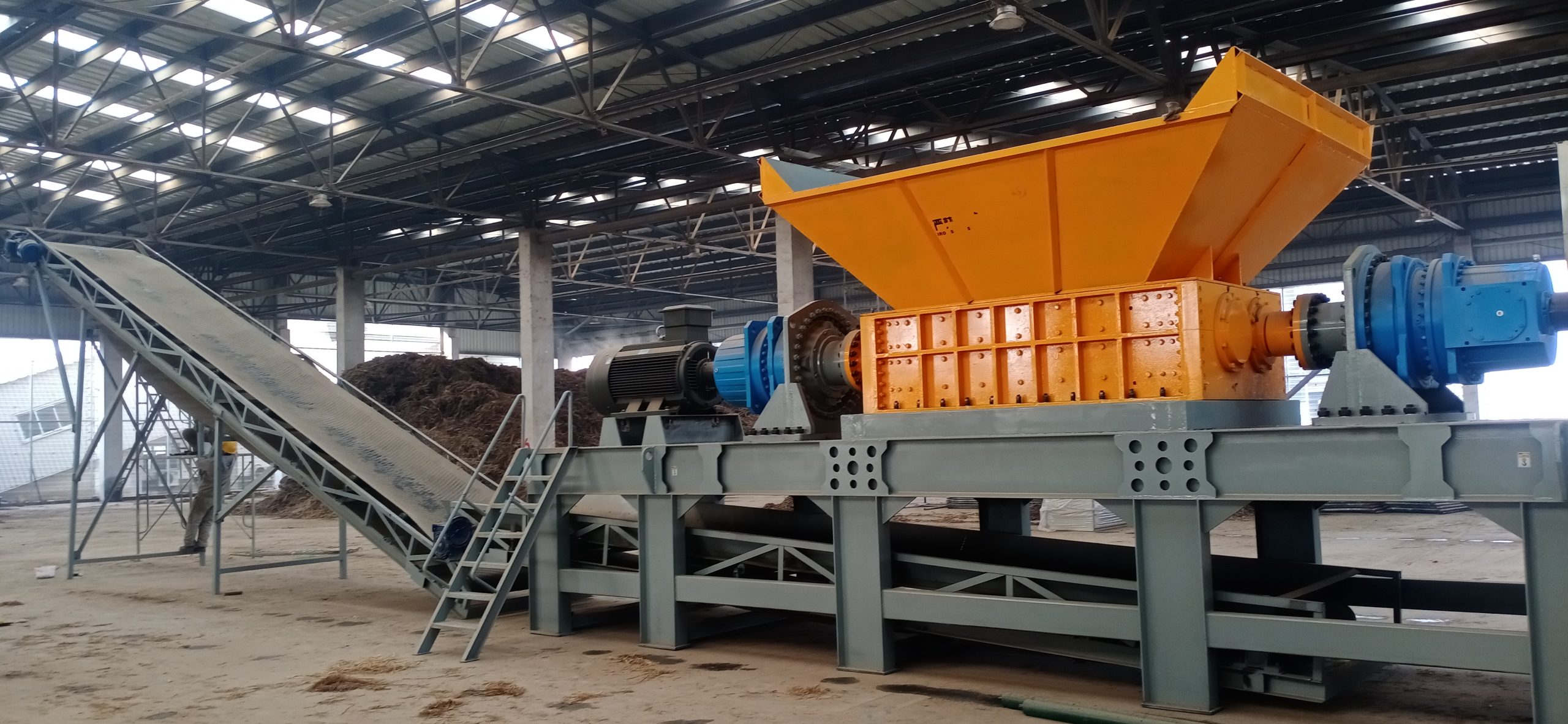
For bulky MSW, a primary shredder is often the first major size-reduction machine.
Pre-Shredding for Better Material Flow
A low-speed, high-torque dual-shaft shredder is widely used for mixed municipal waste. It can handle bulky waste, plastics, wood, textiles, packaging, and other difficult materials.
At this stage, the main purpose is not to make very small particles. Instead, the shredder should:
- Open waste bags
- Break large items
- Reduce oversized materials
- Create a more even material flow
- Prepare the waste for screening and separation
Knife design, rotor speed, chamber size, and discharge settings should match the waste.
If the primary shredder produces material that is too fine, the plant may see higher wear, more plastic film wrapping, and lower sorting efficiency. If the material is too large, some waste may remain inside bags or move to the next stage as oversized pieces.
The correct shredding size depends on the equipment that follows and the required final products.
Screening Separates Waste by Size
After primary shredding, a trommel screen can separate the waste into different size ranges.
The fine fraction may contain organic waste, soil, glass pieces, and small inert materials. The middle fraction may contain a mixture of combustible materials and recyclables. The oversize fraction can contain plastics, paper, wood, textiles, and other large materials.
A trommel screen works well for large-volume MSW because it can handle a wide range of materials and operate continuously.
Important trommel design factors include:
- Screen opening size
- Drum diameter
- Drum length
- Drum speed
- Lifting plate design
- Material moisture
- Required capacity
Wet waste and plastic film can block screen openings. Therefore, screen cleaning, drum design, and easy maintenance access are important for stable operation.
For difficult or wet materials, a flip-flow screen can provide another option. Its flexible screen mats move at high speed and help separate wet, sticky, and difficult materials.
This type of screen can be useful when wet fines are reducing RDF quality or when the MSW contains a large amount of organic material.
Magnetic, Eddy Current, and Air Separation
After size separation, the plant can use different machines to separate materials by type.
Magnetic Separation
A magnetic separator removes ferrous metals such as steel cans, iron pieces, and other steel waste.
The position of the magnetic separator is important. Placing it after suitable screening can reduce the amount of nonmetal material around the metal and improve recovery quality.
Eddy Current Separation
An eddy current separator can recover nonferrous metals, especially aluminum.
It works best when the material is properly sized and spread evenly across the conveyor. Too many fines, plastic film, or oversized materials can reduce separation performance.
Air Separation
An air separator divides light materials from heavy materials.
Light materials such as plastic film, paper, textiles, and some lightweight plastics can move with the air stream. Heavy materials such as glass, stones, ceramics, and other dense waste move in another direction.
Air volume, duct design, material size, and feed rate all affect the separation result.
A well-adjusted air separator can improve fuel quality and reduce inert material. However, it cannot solve problems caused by poor shredding or poor screening upstream.
Optical Sorting for Higher-Value Materials
Optical sorting can be added when the market value of recovered plastics justifies the extra investment.
For example, optical sorting can help separate different plastic types and improve the quality of recovered materials.
However, it is not necessary for every MSW plant. When the waste is heavily contaminated or has low market value, a simpler mechanical sorting system may provide better overall economics.
The right technology depends on:
- Local material prices
- Labor costs
- Landfill fees
- Waste composition
- Recycled material demand
- RDF or SRF selling price
- Required product quality
Producing RDF and SRF From Residual Waste
For many MSW plants, the combustible fraction is an important source of revenue.
After removing metals, glass, stones, and other unwanted materials, the remaining light fraction can go through secondary shredding to produce a more consistent fuel. This material can then become RDF or SRF.
A single-shaft shredder can be a good choice when the plant needs controlled output size. A screen can help control the final particle size and send oversized material back for further processing.
The secondary shredding process must match the fuel specification.
Smaller particles can improve fuel handling and combustion. However, smaller output also increases power use and cutter wear. Too much fine material can also increase dust and make storage and conveying more difficult.
The best target size is the size accepted by the final user, such as:
- Cement kilns
- Industrial boilers
- Waste-to-energy plants
- Power plants
- Other industrial fuel users
When Does an MSW Line Need a Rotary Dryer?
Some MSW streams contain too much moisture for efficient fuel production.
When moisture remains high after mechanical separation, a rotary dryer can reduce water content before RDF or SRF storage and use.
Drying can improve calorific value and reduce biological activity during storage. However, it also increases energy use and requires proper control of hot air, dust, and emissions.
A dryer makes sense when moisture is a long-term problem and the improvement in fuel quality can justify the additional operating cost.
Design for Stable Operation, Not Just High Capacity
A sorting plant can only reach its rated capacity when the complete system runs smoothly.
Conveyors, transfer points, chutes, dust collection, fire protection, electrical controls, and maintenance areas are all important parts of the plant.
For example, a high-capacity shredder cannot maintain plant output if:
- The screen becomes blocked
- A conveyor becomes overloaded
- Plastic film wraps around the equipment
- A discharge chute becomes blocked
- Wet waste builds up at a transfer point
Wear protection is especially important in areas with heavy impact and abrasion. These areas include shredder feed chambers, transfer chutes, screen inlets, and heavy-material discharge points.
Replaceable liners and wear-resistant parts can reduce maintenance time. Easy access to the main service points also helps operators complete maintenance faster.
For international projects, the plant should also include a recommended spare-parts list. Keeping critical parts in stock can prevent long shutdowns caused by international shipping and procurement delays.
Use Automation to Improve Control
Automation should make the plant easier to operate, not unnecessarily complicated.
Variable-frequency drives can control conveyor speed and keep the material flow stable. Load monitoring can protect shredders from overload. A central control system can monitor:
- Conveyor status
- Motor current
- Shredder load
- Screen operation
- Separator alarms
- Emergency-stop signals
At the same time, operators should be able to stop and isolate individual machines when needed. This makes maintenance and blockage removal safer and easier.
Customize the MSW Line for Local Market Needs
There is no single MSW sorting line that works for every country or city.
A region with strong scrap-metal prices may benefit from more metal recovery equipment. A cement plant customer may focus on stable RDF quality, low chlorine, and low inert content. A city with high landfill costs may focus on maximum waste diversion.
Zhengzhou Jinpeng Machinery Equipment Co., Ltd. develops integrated processing solutions that combine shredding, screening, conveying, and separation equipment according to project requirements.
For buyers planning a new MSW sorting line, the most useful technical information includes:
- Waste composition
- Waste moisture
- Required capacity
- Target output products
- Required particle size
- Available space
- Power supply
- Daily operating hours
- Local disposal costs
- Final product specifications
A good equipment proposal should show more than a list of machines. It should explain the complete material flow, capacity of each stage, expected output fractions, power requirements, wear parts, control system, and maintenance access.
It should also clearly state which project details still need confirmation through waste sampling or material testing.
Test the Waste Before Final Equipment Selection
The most reliable way to design an MSW sorting plant is to test representative waste before finalizing the equipment.
A proper waste test can show the actual material composition, moisture level, particle size, recovery potential, and fuel quality.
This information gives the project team a better basis for choosing the shredder, screen, magnetic separator, air separator, eddy current separator, conveyor system, and other equipment.
A well-designed MSW sorting line should not simply process waste at a high speed. It should create useful products, control operating costs, reduce downtime, and continue working when the waste composition changes.
The right MSW sorting project starts with the waste, follows the material flow, and ends with a clear and valuable final product.