A wood chipper that performs well on clean sawmill slabs can fail quickly when fed wet green waste, oversized logs, contaminated pallets, or mixed demolition wood. Knowing how to choose wood chipper equipment starts with the material entering the line, not the machine horsepower listed on a brochure. For industrial buyers, the right decision affects chip quality, labor requirements, fuel consumption, maintenance cost, and plant uptime for years.
A productive chipper must be sized around actual operating conditions: feedstock dimensions, moisture content, contamination level, required output, downstream equipment, and available power. The goal is not simply to buy the largest machine. It is to build a reliable size-reduction stage that consistently delivers the required chip specification at the required hourly capacity.
How to Choose Wood Chipper Equipment for Your Feedstock
Feedstock is the first engineering decision. Wood varies widely in density, shape, length, moisture, and contamination. A chipper designed for straight softwood logs will process differently from one handling hardwood branches, forestry residue, veneer offcuts, bark, or construction wood.
Start by documenting the maximum and typical material dimensions. Include log diameter, branch diameter, board length, bundle size, and the amount of irregular material. A machine should be selected for the normal production load, while retaining sufficient capacity margin for occasional larger pieces. Choosing a chipper solely around average dimensions often creates inlet blockages and unstable throughput during peak operating periods.
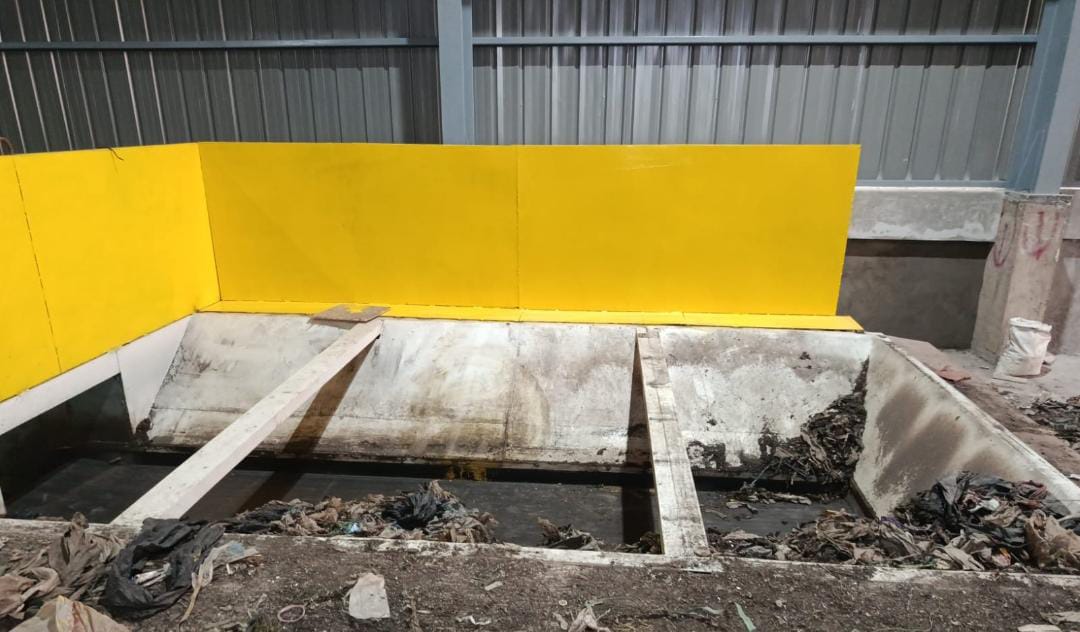
Moisture content also matters. Fresh green wood is heavier and can require greater cutting force than dry mill residue. Wet bark and stringy branches may bridge at the inlet or wrap around components if the feeding system is not designed for them. Recycled wood introduces another challenge: nails, screws, stones, and metal fragments can damage knives and accelerate wear. Where contamination is expected, upstream sorting, magnetic separation, and appropriate cutter protection should be part of the project scope.
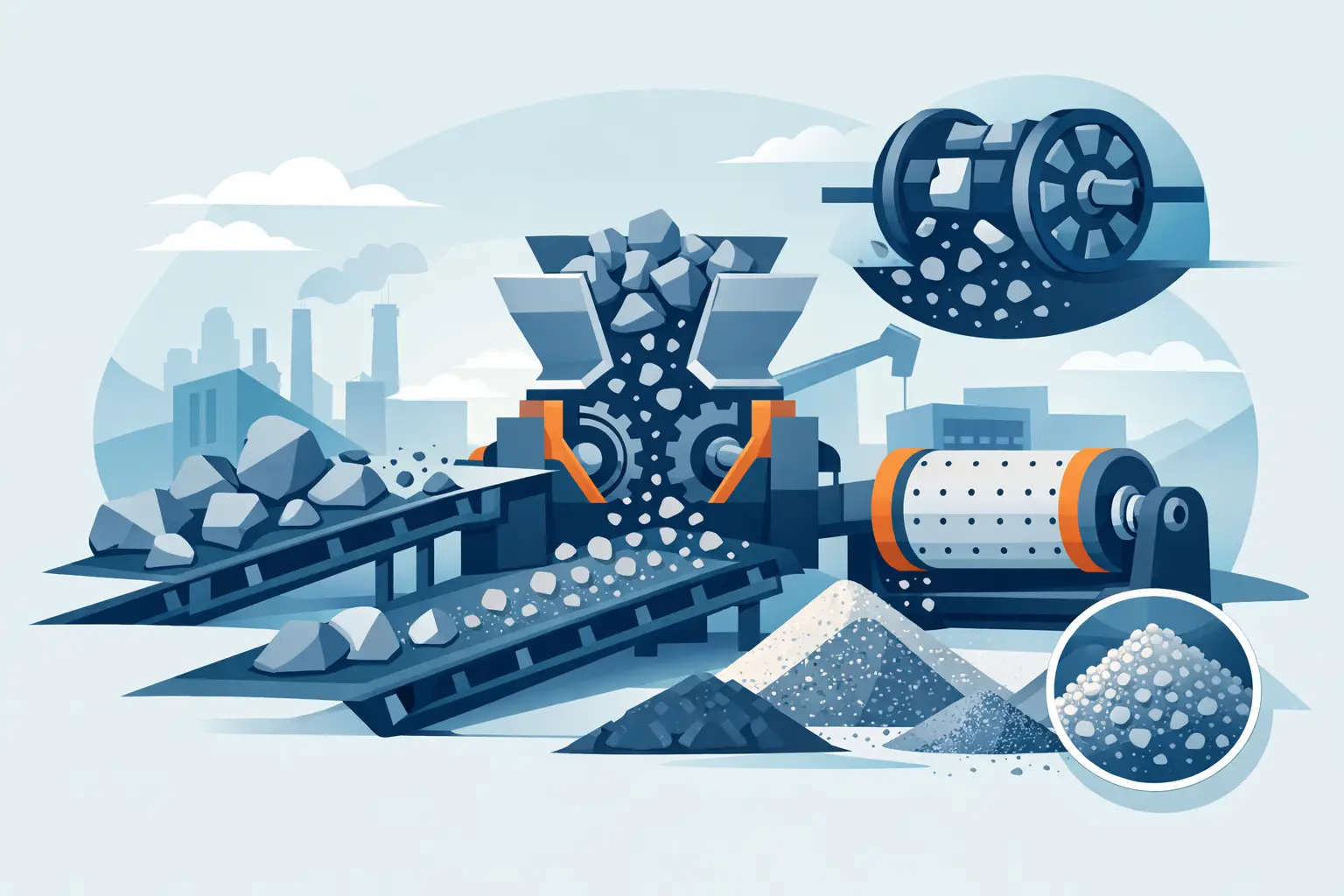
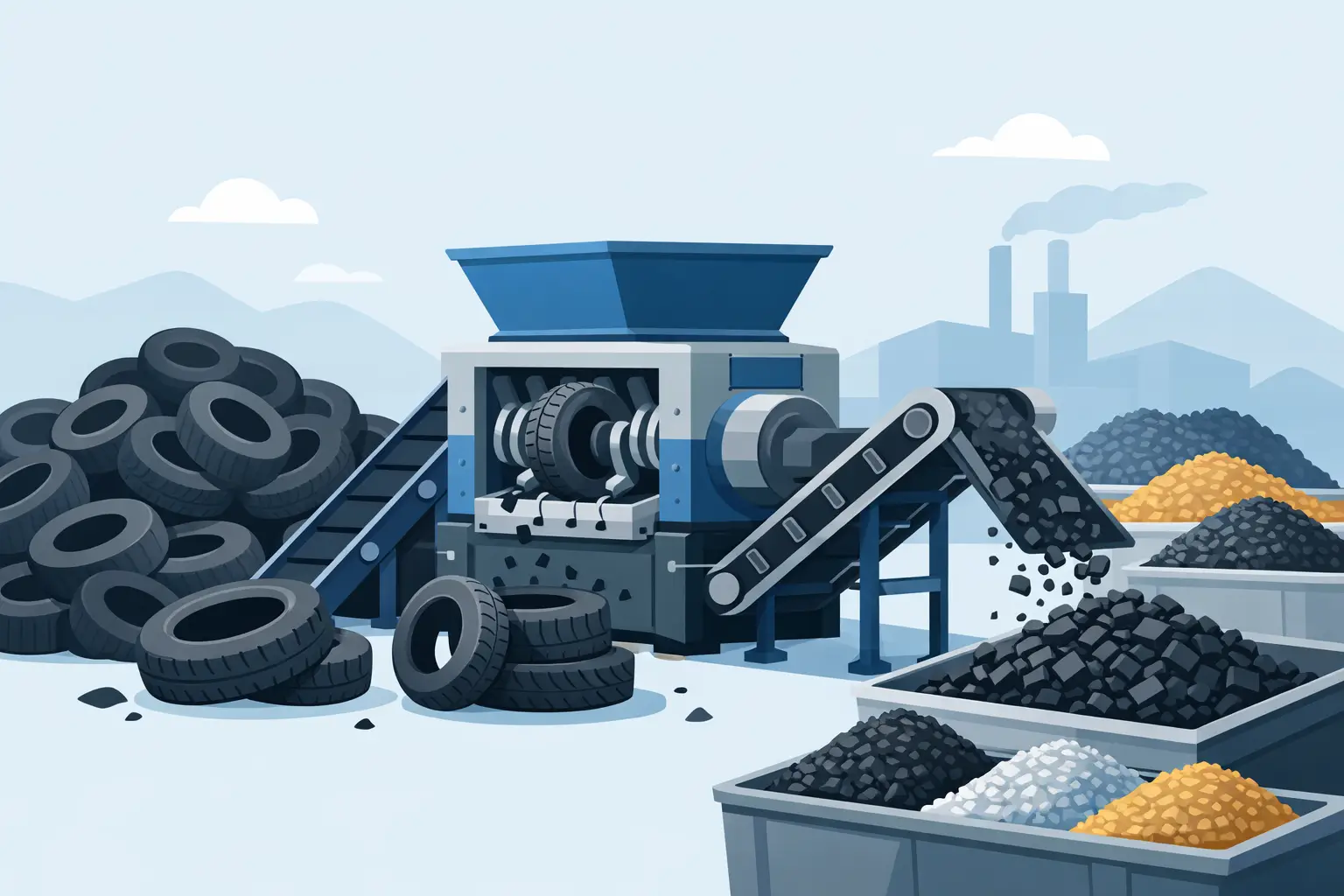
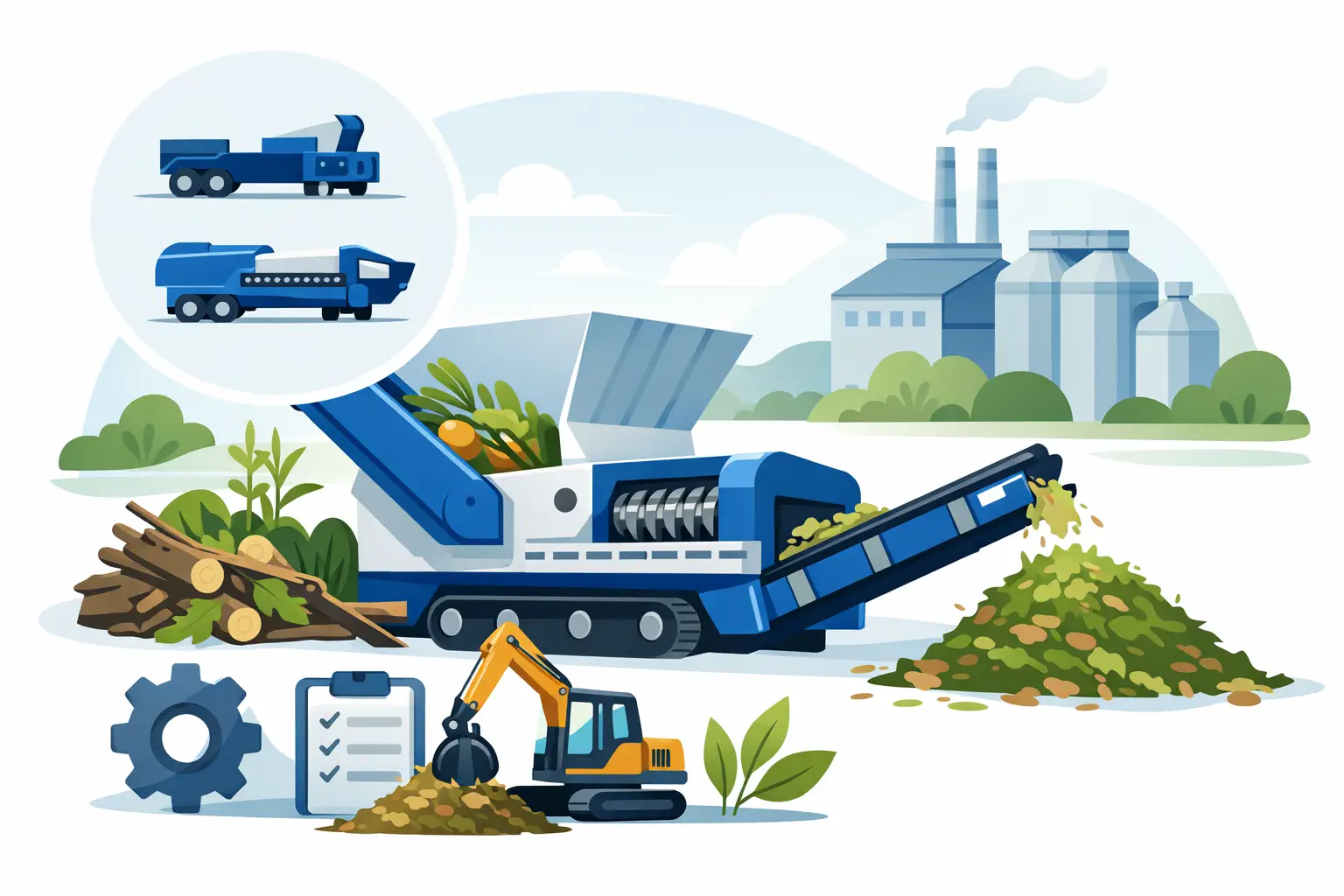
For difficult, mixed, or bulky feedstock, a two-stage line may be more effective than asking one machine to do every job. A shredder can open pallets, root balls, green waste, and irregular timber before a chipper produces a more controlled final chip. This approach can reduce shock loads and protect the primary chipping rotor.
Match Chipper Type to the Production Requirement
Industrial wood chippers are commonly configured as disc chippers or drum chippers. Both can produce quality chips, but their strengths are different.
A disc chipper uses a rotating disc fitted with knives. It is often a strong choice for processing relatively uniform logs, slabs, and wood offcuts where consistent chip geometry is a priority. Disc chippers are widely used in pulp preparation, panelboard feedstock, and wood chip production applications that benefit from controlled cutting action.
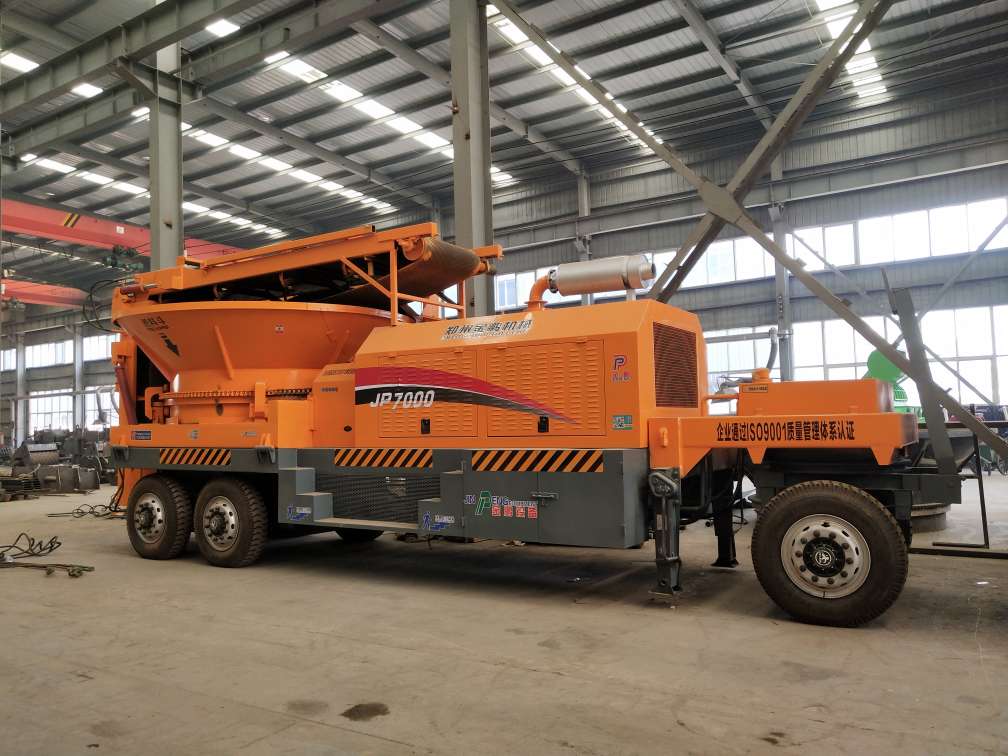
A drum chipper uses a cylindrical rotor with knives and is generally well suited to high-volume processing of logs, branches, mill residue, and biomass feedstock. Its wide inlet and continuous feed characteristics can make it particularly effective in larger wood-processing lines. For biomass plants that need sustained throughput, a drum chipper with hydraulic feed rollers and a properly matched discharge system is often the more practical configuration.
The choice depends on your material and final application. If the line requires clean, uniform chips for a specific manufacturing process, cutting precision may take priority. If the operation receives variable raw material and must maintain high tonnage, inlet capacity and feed stability may be more important. A qualified manufacturer should evaluate samples, dimensions, and production targets before recommending either design.
Define Capacity by Real Operating Hours
Capacity figures can be misleading when they are based on ideal material. A quoted output of 20 tons per hour means little without knowing the wood species, moisture content, piece size, feeding method, and target chip size. Procurement teams should ask for capacity data tied to a defined feedstock condition.
Calculate the required hourly rate from the plant’s annual target and realistic working schedule. If a facility must process 40,000 tons per year over 2,000 operating hours, the baseline requirement is 20 tons per hour. That does not mean a 20-ton-per-hour chipper is sufficient. Planned maintenance, shift changes, variable feed, and seasonal material changes require a capacity reserve.
In many industrial projects, selecting equipment with 15% to 30% additional practical capacity is justified. The correct margin depends on how continuous the operation must be and whether a bypass, storage buffer, or standby machine is available. Oversizing too far, however, can raise capital cost and power consumption without improving results. The target is stable output, not maximum nameplate capacity.
Feed system design is central to actual throughput. Hydraulic rollers, conveyor speed control, infeed opening dimensions, and anti-blocking functions determine whether material reaches the cutting chamber smoothly. A high-capacity rotor cannot compensate for an undersized conveyor or inconsistent manual feeding.
Specify Chip Size Around the Downstream Process
Chip size is not a cosmetic requirement. It determines how material performs in biomass boilers, pellet plants, fiber preparation, composting, board production, and secondary grinding systems.
For biomass fuel, chips must be compatible with the boiler or gasification system. Oversized pieces can disrupt conveying and combustion, while excessive fines may create handling losses and dust issues. Pellet production usually requires a chip size suitable for further grinding before drying and pelletizing. Board and pulp applications may require tighter size distribution and lower oversize content.
Knife arrangement, screen configuration, discharge control, and feed consistency all influence the final product. Do not specify only an average chip length. Define acceptable oversize, fine fraction, thickness range, and contamination limits where relevant. If the chipper feeds a hammer mill, dryer, trommel screen, or conveyor system, confirm that every downstream component can handle the actual material distribution produced.
Evaluate Power, Wear Parts, and Maintenance Access
Motor power should be selected according to feedstock hardness, inlet size, desired throughput, and duty cycle. More power provides useful reserve for difficult material, but it must be supported by the electrical supply, transmission system, and rotor design. For remote forestry or mobile applications, diesel power and fuel consumption may be decisive. For fixed plants, electric drive can offer lower operating cost and easier integration with automated controls.
Knife life is a major operating-cost factor. Ask how knives are mounted, adjusted, sharpened, and replaced. A design that allows fast, repeatable knife changes reduces downtime and improves chip consistency. Counter-knives, bearings, hydraulic components, belts or couplings, and rotor balancing requirements should also be reviewed before purchase.
Maintenance access is often overlooked during equipment selection. Inspect whether operators can safely reach knife assemblies, feed rollers, lubrication points, screens, and discharge areas. A chipper built for industrial use should provide practical access doors, safety interlocks, emergency stop systems, and clear service procedures. The lowest purchase price can become expensive when every knife change requires extended shutdown time.
Plan the Chipper as Part of a Complete Line
A wood chipper is rarely an isolated investment. Its performance depends on upstream receiving, feeding, metal removal, and downstream conveying, screening, drying, storage, or further grinding. Material should move through the line without bottlenecks, excessive drops, or manual intervention.
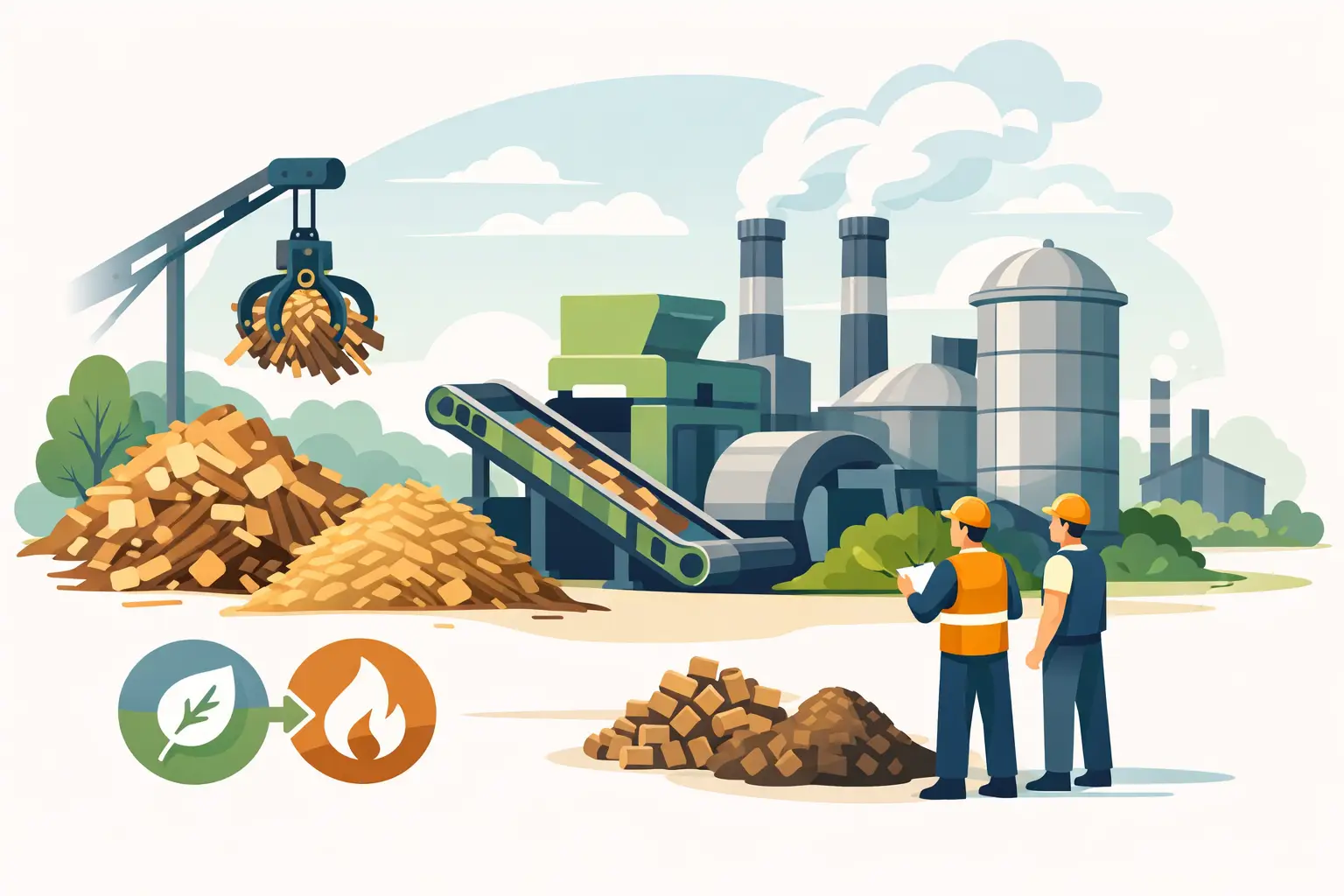
For example, a green waste recycling project may require a feeding conveyor, magnetic separator, drum chipper, discharge conveyor, trommel screen, and oversize return loop. A biomass fuel line may add a fine wood grinder, rotary dryer, and screening equipment after chipping. The right system layout reduces labor intensity while producing a more consistent saleable material or fuel feedstock.
When comparing suppliers, request more than a machine specification. Review layout drawings, electrical requirements, foundation loads, recommended spares, commissioning support, and the supplier’s ability to adapt the line to local feedstock. Zhengzhou Jinpeng Machinery Equipment Co., Ltd. develops standalone chippers and integrated biomass and recycling systems for projects that require coordinated material handling and size reduction.
The best chipper decision is made after the material has been measured, the downstream specification has been defined, and the full operating line has been reviewed. Bring representative feedstock data to the technical discussion, including photos, dimensions, moisture levels, contamination concerns, and required production hours. That preparation gives engineers the information needed to specify a machine that keeps your plant moving instead of becoming its next bottleneck.