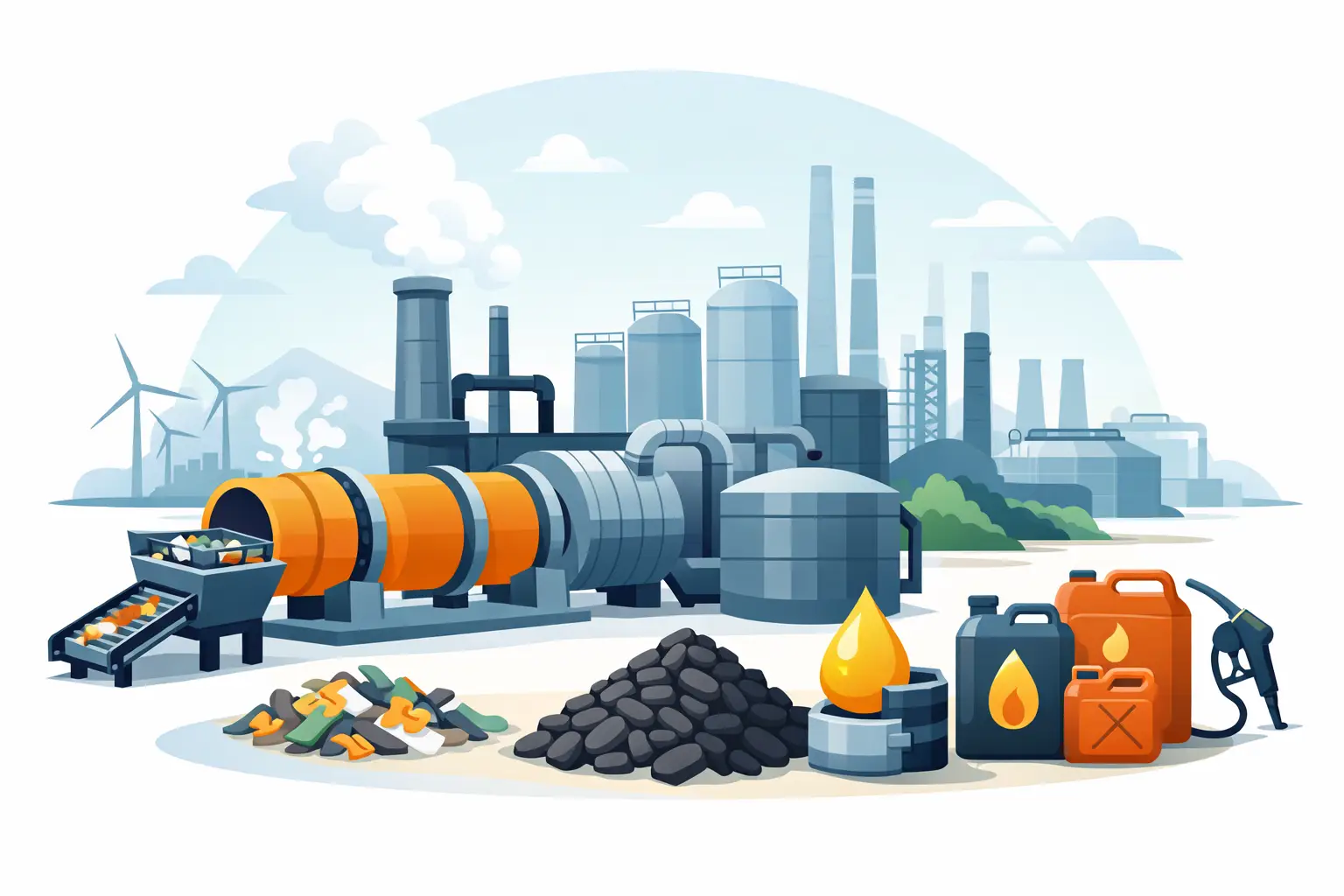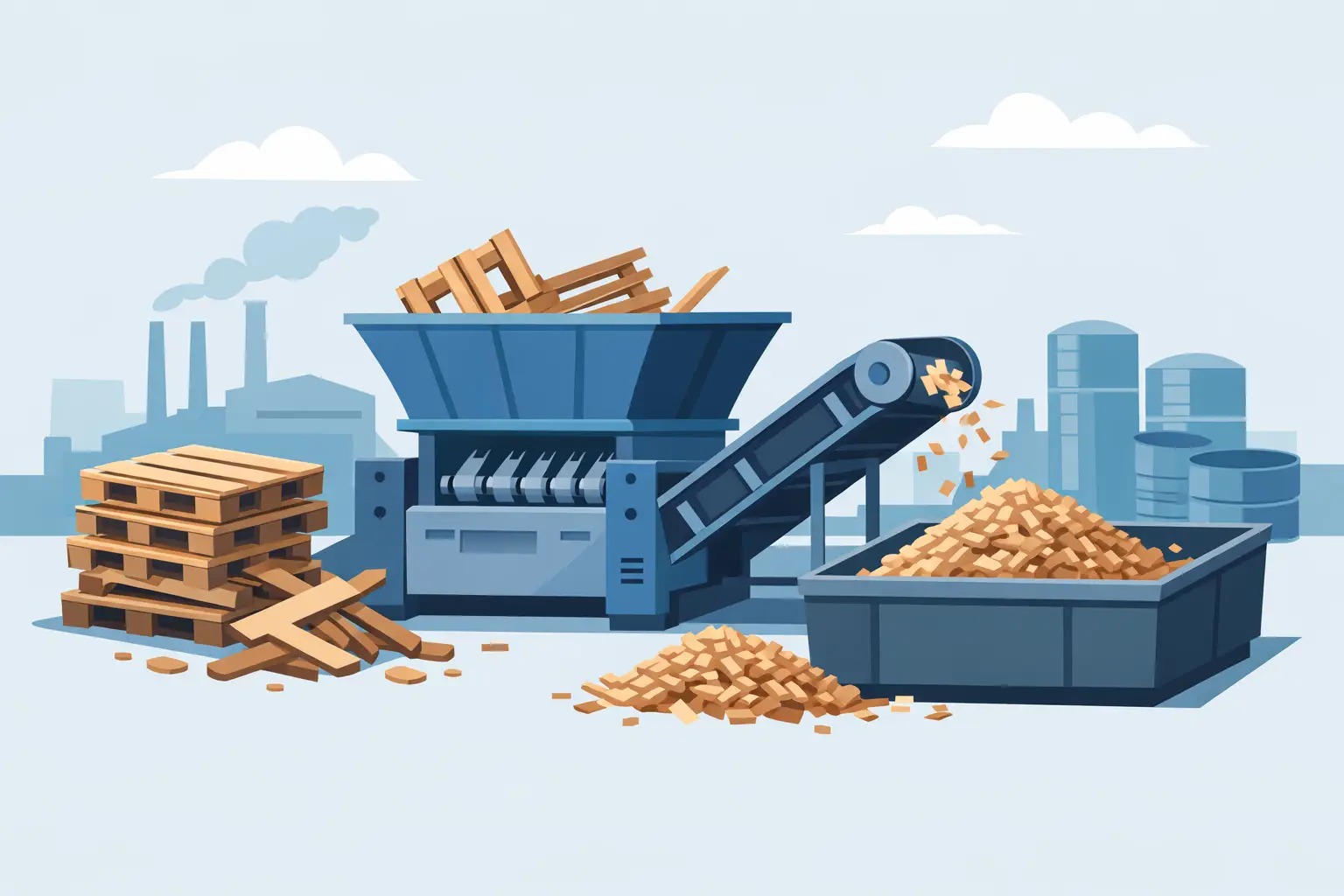
A stockpile of old tires is more than a waste problem. It contains rubber, steel wire, textile fiber, and other materials. Therefore, producers need the right process to turn these tires into clean and useful rubber mulch.
So, how do you make rubber mulch from scrap tires?
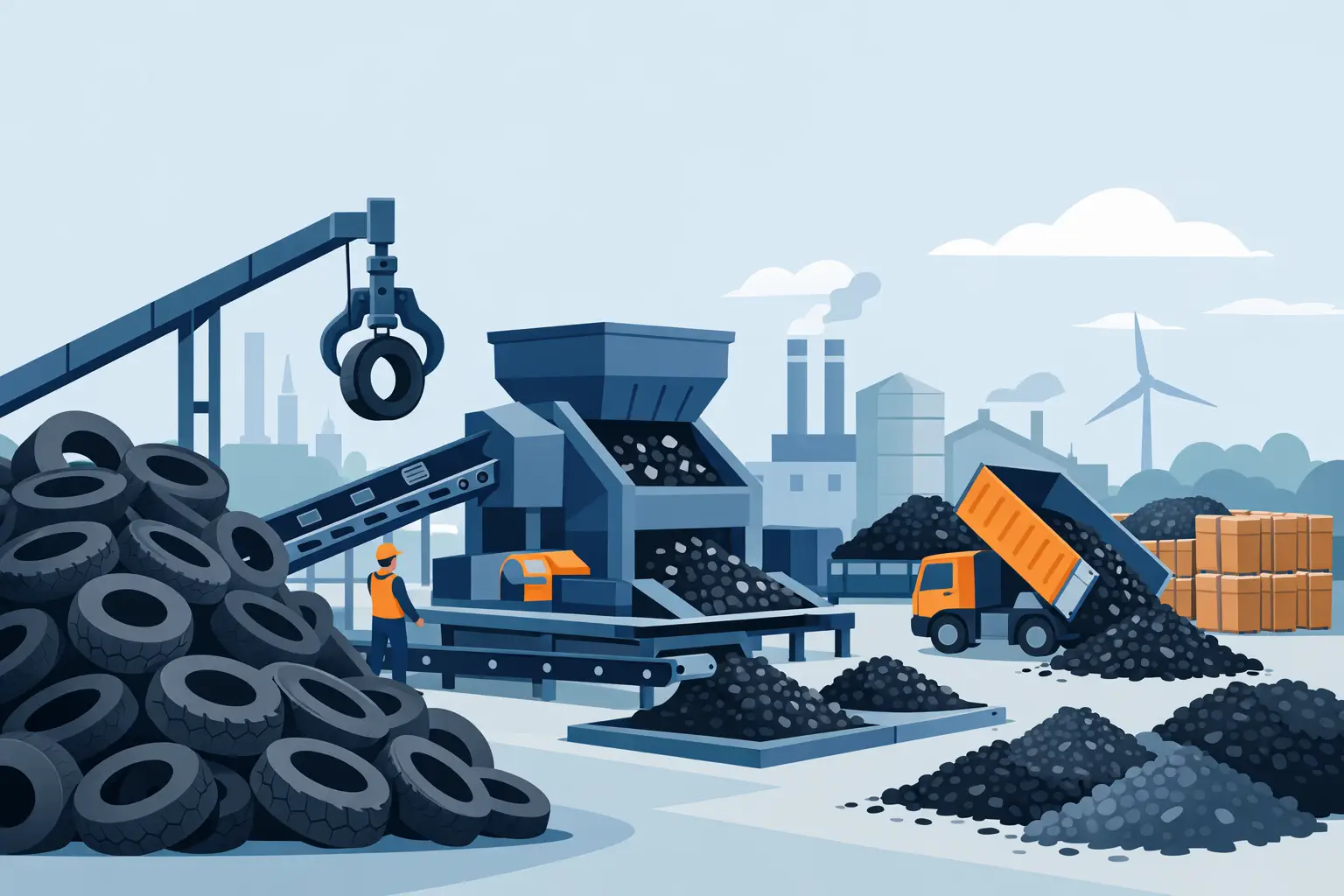
At an industrial scale, the process usually includes tire preparation, primary shredding, steel separation, secondary size reduction, fiber removal, screening, and packaging. Depending on the final product, producers can also add coloring and surface treatment.
For landscape, playground, equestrian, and commercial applications, the goal is usually not fine crumb rubber. Instead, producers often need clean rubber chips with a controlled size. The target size can range from about 3/8 inch to 2 inches, depending on the application.
Therefore, a complete rubber mulch production line works better than a single tire shredder. Each machine handles a specific step and helps maintain stable product quality.
How to Make Rubber Mulch From Scrap Tires
Step 1: Prepare and Feed the Tires
First, producers need to check the incoming tires. Passenger tires are common because they are widely available and have a relatively consistent structure. However, truck tires and off-road tires have thicker sidewalls and more steel. As a result, they may need stronger feeding and shredding equipment.
Before shredding, remove excessive mud, rims, loose metal, and other waste. If tires still have rims, operators should separate or de-rim them first. This simple step helps protect the shredder and reduces downtime.
Next, feed the tires into the production line at a steady rate. Depending on the plant design, operators can use a conveyor, hopper, forklift, or hydraulic pusher.
For large tires, the plant may also need pre-cutting or special tire handling equipment.
Consistent feeding is important because the tire shredder works best with a stable material flow. If operators feed too much material at once, the shaft load can increase and jams may occur. On the other hand, if the feed rate is too low, the plant cannot use the full capacity of the machine.
Therefore, an automated feeding and conveyor system can help maintain a stable production rate, especially for 24/7 commercial operations.
Step 2: Use a Primary Tire Shredder
Next, the whole tires enter the primary tire shredder. The machine reduces them into rough tire chips.
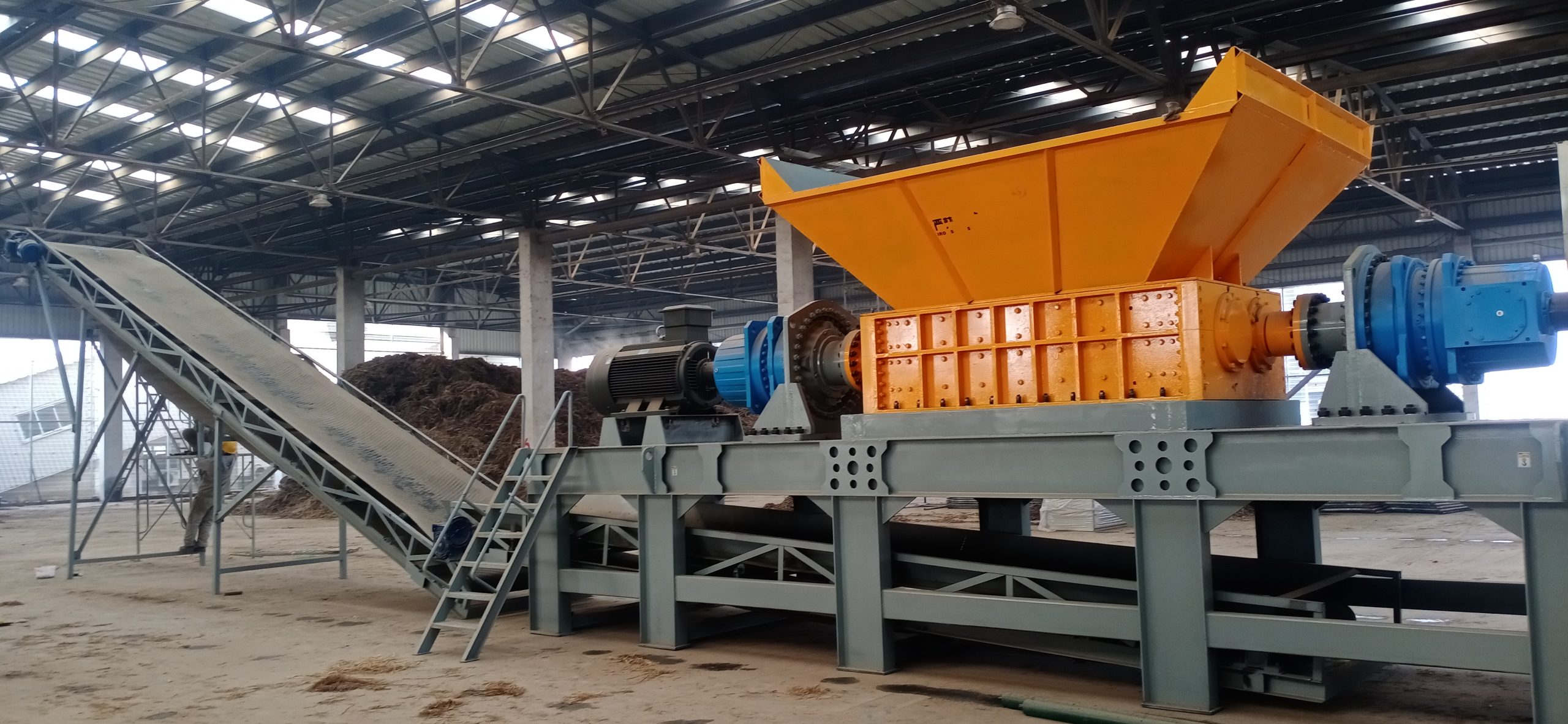
A dual-shaft tire shredder is often a good choice for this stage. It uses high torque and low-speed cutting to process thick rubber, steel belts, and tire sidewalls. It can also produce less dust than some high-speed cutting systems.
The primary shredder usually produces tire chips around 2–6 inches. However, the actual size depends on the cutter design, cutting chamber, and downstream equipment.
At this stage, the goal is not to make the final rubber mulch. Instead, the primary shredder reduces the tire volume and opens the material for the next separation steps.
When selecting a tire shredder, producers should consider the actual feedstock. For example, a line that handles passenger tires may need less power than a line that processes heavy truck tires.
Therefore, the cutter design, shaft torque, motor power, gearbox, and overload protection all matter.
If a plant handles mixed tire sizes, it should choose equipment for the heaviest and most difficult material. Otherwise, the primary shredder can become the main production bottleneck.
Step 3: Remove Exposed Steel
After primary shredding, the tire chips still contain steel wire and belt fragments.
So, the next step is magnetic separation.
An overband magnet or magnetic drum separator can remove ferrous steel from the rubber chips. For better recovery, producers can also install a second magnetic separation stage after secondary shredding or granulation.
Steel removal provides two major benefits.
First, it makes the rubber cleaner. Second, it protects downstream equipment such as granulators, screens, conveyors, and packaging systems.
In addition, the recovered steel has resale value. Therefore, effective steel separation can create an additional revenue stream for a tire recycling plant.
However, one magnetic separator may not remove every steel fragment. Separation performance depends on several factors, including chip size, material thickness on the conveyor, belt speed, and the amount of steel still trapped inside the rubber.
For this reason, commercial plants often use more than one separation stage.
Step 4: Reduce the Tire Chips to Mulch Size
After removing most of the exposed steel, the rubber chips move to the next size-reduction stage.
Depending on the target product, producers can use a secondary shredder, granulator, or rubber pulverizing system.
However, rubber mulch does not always need very fine particles. Therefore, the equipment should match the required product size.
For large landscape mulch, a secondary shredder with controlled sizing may be enough. On the other hand, playground or equestrian applications may require smaller and more uniform rubber pieces. In this case, a granulator followed by screening can provide better size control.
Knife condition also affects product quality.
When knives become dull, the machine needs more power and generates more heat. At the same time, it may produce irregular rubber particles.
Therefore, operators should check the knives regularly. A good maintenance plan should include knife inspection, rotation, sharpening, and replacement.
For high-capacity tire recycling plants, proper knife maintenance directly affects production efficiency and operating costs.
Step 5: Separate Textile Fiber and Fine Dust
Tires contain textile fibers, especially passenger tires. After secondary size reduction, some of these fibers become loose and mix with the rubber.
Next, the production line needs to separate the fiber from the rubber.
Producers can use air classifiers, zigzag separators, aspirators, or other pneumatic separation systems. These machines use differences in weight and airflow to separate lightweight fiber from heavier rubber particles.
The airflow needs careful control.
If the airflow is too strong, it may remove useful rubber together with the fiber. This can reduce product yield.
However, if the airflow is too weak, too much textile fiber remains in the finished mulch. As a result, the product may look dirty or fluffy and may not meet customer requirements.
At the same time, the plant should control dust around the shredding, granulation, and screening areas.
A suitable dust collection system helps keep the working environment cleaner and supports more reliable plant operation.
Step 6: Screen the Rubber Mulch
After fiber separation, the rubber moves to the screening stage.
The screen separates the material into different size ranges. Depending on the plant design, producers can use trommel screens, vibratory screens, or flip-flow screens.
The screen normally creates three main streams:
- Oversize rubber
- Saleable rubber mulch
- Fine material
The oversize material can return to the secondary shredder for further processing. Producers can sell the fines separately, process them again, or blend them with other products.
For rubber mulch producers, consistent particle size is often more important than simply achieving the highest tons-per-hour capacity.
For example, landscape contractors and distributors usually want mulch that looks uniform and spreads easily. Similarly, playground projects may require a specific particle size. Equestrian applications can also have different size and texture requirements.
Therefore, producers should choose the screen according to the final market.
Rubber also behaves differently from materials such as wood chips or stone. It can stretch, bounce, and bridge screen openings.
As a result, a conventional screen may lose efficiency when processing flexible rubber. In these cases, a flip-flow screen can provide better screening performance.
Optional Coloring and Surface Treatment
Black rubber mulch is the simplest product because it keeps the natural color of recycled tire rubber.
However, some markets prefer colored mulch. In this case, producers need an additional coating process.
Usually, the system mixes pigments and a binder with the rubber. After coating, the material may need drying or curing, depending on the coating formula.
Coloring can increase product value. However, it also adds another level of process control.
For example, poor mixing can create uneven color. Poor coating adhesion can cause the color to wear off. In addition, insufficient drying can affect the final product.
Therefore, producers should test several factors before large-scale production, including:
- Color consistency
- Coating adhesion
- Odor
- Moisture
- Surface quality
- Bag-to-bag consistency
These tests help producers maintain stable quality and reduce customer complaints.
Quality Control for Rubber Mulch
Good equipment alone cannot guarantee a good rubber mulch product. Therefore, producers should check the material regularly during production.
Important quality factors include:
- Particle size
- Steel content
- Textile fiber content
- Moisture
- Dust
- Color
- Overall appearance
For higher-value applications, producers can keep samples from each production batch. They should also record important production conditions.
The required quality depends on the target market.
For example, landscape mulch may allow a wider particle-size range. However, playground applications may require tighter size control and additional product information.
Customers may also ask about metal content, contaminants, drainage, or impact performance.
Therefore, producers should confirm local regulations and customer specifications before they choose the final product grade.
Fire Safety and Plant Management
Fire safety is another important part of tire recycling.
Tire storage areas should have good stockpile management and clear access routes. The plant should also provide suitable fire suppression equipment and follow local fire and environmental requirements.
In addition, operators should keep fiber, dust, and loose rubber under control.
Good housekeeping reduces potential risks and helps the plant run more reliably.
How to Build a Rubber Mulch Production Line
The biggest production line is not always the best solution.
Instead, every machine should match the actual feedstock, capacity, final product, and available labor.
For example, a plant that processes 2 tons of passenger tires per hour needs a different system from a plant that handles 10 tons of mixed passenger and truck tires per hour.
A complete rubber mulch production line may include:
- Tire feeding system
- Primary tire shredder
- Magnetic separator
- Secondary shredder or granulator
- Fiber separation system
- Screening machine
- Dust collection system
- Optional color coating system
- Conveyor system
- Bagging or bulk-loading system
In addition, a centralized control system can connect the main equipment. Operators can then monitor motor load, conveyor speed, material flow, and machine alarms from one control panel.
This setup makes the production process easier to manage and helps reduce unnecessary downtime.
Why a Complete Tire Recycling Line Matters
A single tire shredder can reduce whole tires into rough chips. However, it cannot produce a clean and consistent rubber mulch product by itself.
A complete line handles the entire process.
First, the system prepares the tires. Then, the primary shredder reduces their size. Next, magnetic separators recover steel. After that, secondary equipment produces the required rubber size.
Finally, the fiber separator and screening system clean and grade the rubber.
As a result, the plant can turn scrap tires into a more valuable product instead of simply producing rough tire chips.
Zhengzhou Jinpeng Machinery Equipment Co., Ltd. can configure tire and rubber processing systems according to tire type, required capacity, and final product size.
The key is to keep the system practical. The right design should reduce material handling, protect important equipment, recover valuable steel, and produce a stable rubber mulch grade.
Conclusion
Making rubber mulch from scrap tires requires more than one machine.
First, choose and prepare the right feedstock. Then, use a primary tire shredder to reduce the tires into manageable chips. Next, remove steel with magnetic separation. After that, use secondary size-reduction equipment to reach the required mulch size.
Finally, separate textile fiber and fine dust, then screen the rubber into consistent product grades.
If the market requires colored mulch, add a coating and drying stage before packaging.
The best place to start is with the tires you actually receive and the rubber mulch you plan to sell. Once you define these two factors, you can select the right equipment and build a rubber mulch production line that turns scrap tires into a useful and marketable material.