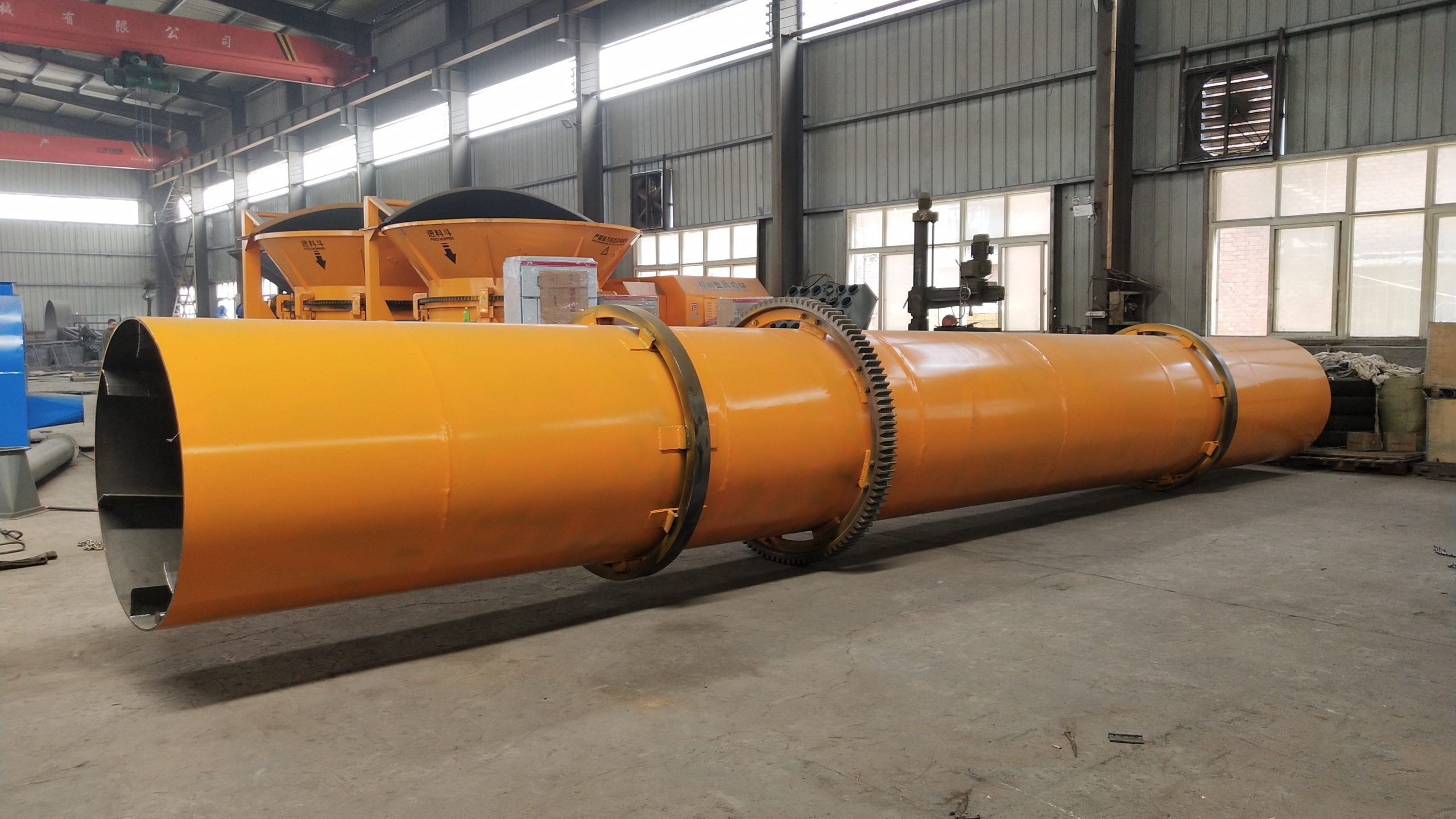
Industrial Waste Dryers: How to Choose the Right Drying System
A recycling line can shred, screen, and convey material at high capacity. However, the line may still miss its production target when the material contains too much moisture. Wet biomass reduces combustion efficiency. Damp RDF may not meet fuel requirements. At the same time, water in wood residue increases transport costs and can make downstream processing less stable.
For this reason, industrial waste dryers play an important role in modern processing plants. A well-designed dryer can reduce moisture and turn high-moisture feedstock into a more stable material. As a result, the material becomes easier to use for fuel production, recycling, storage, or further size reduction.
Why Industrial Waste Dryers Matter in Processing Lines
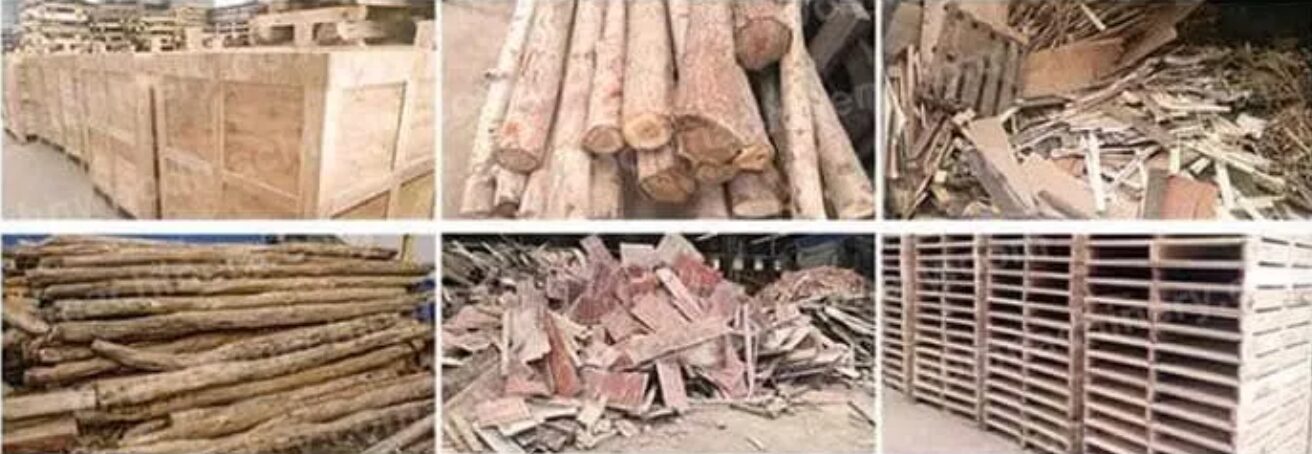
Most industrial waste streams do not arrive in perfect condition. For example, green wood chips, sawdust, bark, agricultural residue, screened municipal waste, sludge blends, and RDF feedstocks can have very different moisture levels.
Seasonal changes, suppliers, and storage conditions can all affect moisture. Therefore, a dryer designed only around average moisture may quickly become a production bottleneck when the feedstock becomes wetter.
Moisture control also affects the value of the final material. In biomass fuel preparation, lower moisture improves net calorific value. It also supports more stable pelletizing, briquetting, and combustion.
For RDF and SRF production, controlled moisture improves handling, storage stability, and fuel consistency. You can learn more about RDF and SRF production.
Wood-product operations also benefit from stable moisture levels. Dry chips and fiber can move more smoothly through mills, presses, and other downstream equipment. Therefore, proper drying can improve the performance of the entire processing line.
Drying can also reduce transportation costs. After all, transporting wet material means paying to move water. When plants ship fuel or recycled material over long distances, an efficient drying stage can improve the overall project economics.
Selecting an Industrial Waste Dryer by Feedstock
No single dryer works equally well for every type of waste. Instead, the properties of the feedstock determine the dryer design.
Important factors include material behavior, heat demand, air volume, drying time, and the material-handling equipment before and after the dryer. Therefore, the first step should always be understanding the material.
Wood Chips, Sawdust, and Biomass Residue
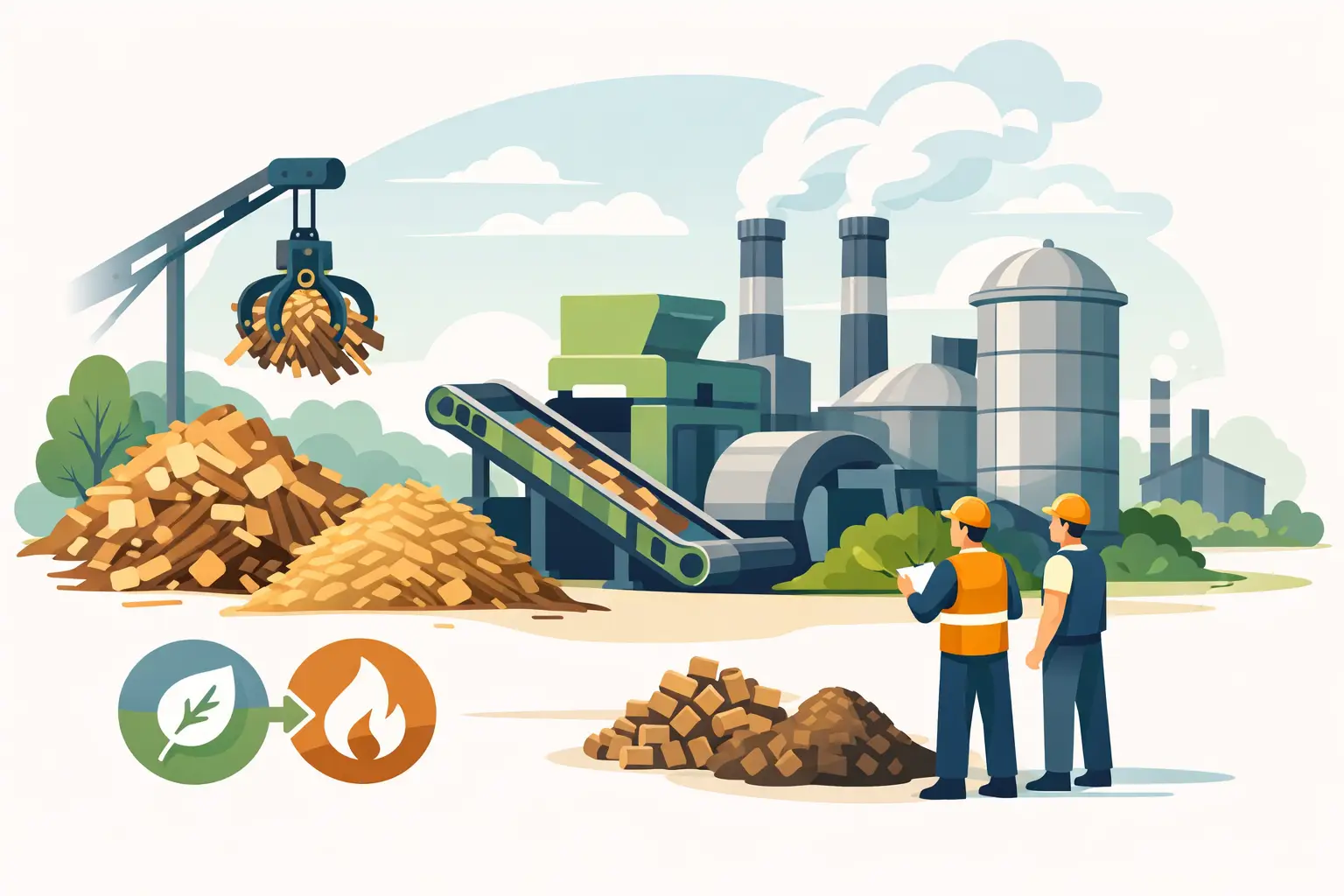
Wood-based materials are common applications for rotary dryers. Sawdust, wood shavings, bark, wood chips, and agricultural biomass can contain a large amount of moisture after outdoor storage or fresh processing.
Before drying, the material should have a reasonably consistent size. Otherwise, oversized pieces, fine dust, and irregular particles may cause carryover, bridging, or uneven drying.
A rotary dryer offers continuous processing for high-volume applications. Inside the rotating drum, lifting flights raise the material and allow it to fall through the hot air stream. During this process, moisture gradually leaves the material.
Several factors affect drying performance. These include flight design, drum speed, drum inclination, airflow, inlet temperature, and material properties. In addition, fine sawdust needs different dust collection and airflow control compared with coarse wood chips.
RDF, SRF, and Mixed Solid Waste Fractions
RDF feedstock creates a more complex drying challenge. Shredded waste may contain film, paper, textiles, foam, wood, and small amounts of inert material.
Because these materials have different properties, moisture may not spread evenly through the feedstock. Light materials can also move easily with the air stream.
Therefore, good upstream preparation is very important. A dual-shaft or single-shaft shredder can reduce oversized material. Meanwhile, screening can remove unsuitable fractions and create a more uniform particle size.
Depending on the final fuel specification, the plant may also need ferrous and nonferrous metal separation before drying. This step helps protect downstream equipment and improve fuel quality.
The goal, however, is not always to achieve the lowest possible moisture. Excessive drying uses more energy and may increase dust, odor, and fire-management requirements.
Instead, the dryer should achieve the moisture level that supports stable fuel quality, safe storage, and reliable use by the end customer.
Sludge Blends and Difficult Materials
High-moisture sludge, compost-like materials, and sticky organic waste need additional attention. Such materials may form lumps, stick to internal surfaces, or move unevenly through the dryer.
In many cases, the plant needs to mix these materials with a drier bulking material. Mechanical dewatering or other pre-treatment may also help before thermal drying.
A complete system may therefore include upstream dewatering equipment, controlled feeding, mixing, and special conveying equipment. The dryer is only one part of the process.
If the plant does not prepare the feedstock properly, material can build up inside the system. Consequently, throughput may become unstable and unexpected shutdowns may occur.
The Process Around the Dryer Determines Results
A high-capacity dryer cannot solve every problem caused by poor feed preparation. Successful industrial drying lines need stable material flow from receiving to final discharge.
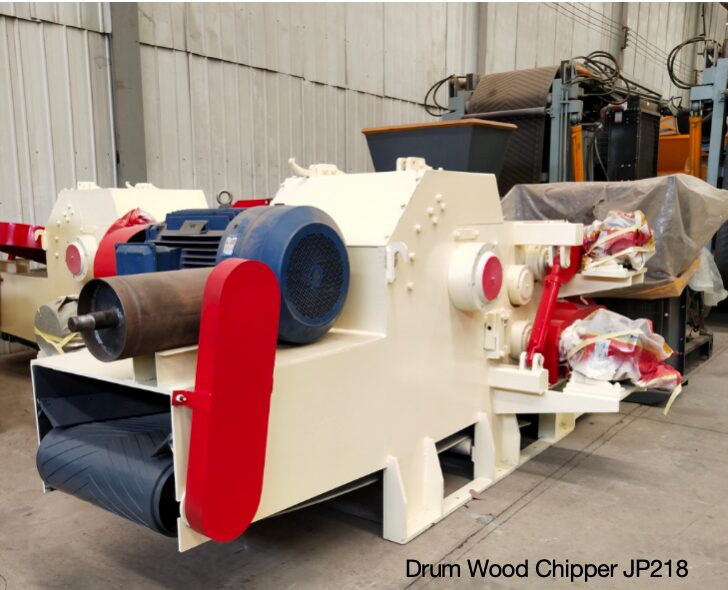
First, the plant usually reduces feedstock to a controlled size with chippers, shredders, grinders, or other crushing equipment.
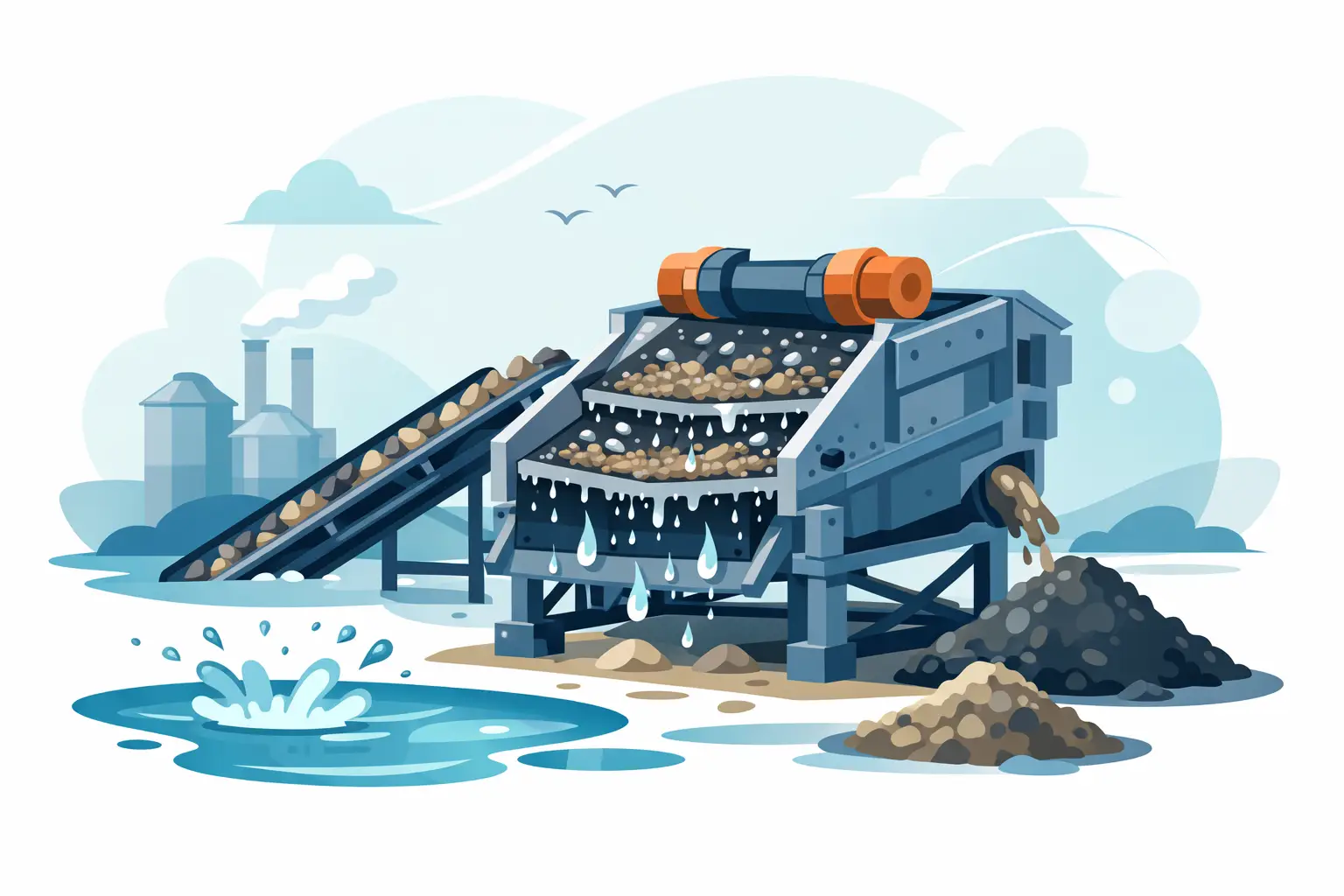
After that, a trommel screen or flip-flow screen can separate oversized material, fines, and contaminants. This step improves airflow through the material and helps reduce uneven moisture at the dryer outlet.
Feeding control is equally important. For example, a sudden increase in wet material can lower the discharge temperature and leave the product under-dried.
Therefore, a stable feeder, buffer storage, and automatic control system can help maintain a steady feed rate. For plants that handle changing waste conditions, engineers should design the system for realistic worst-case feedstock rather than an ideal laboratory sample.
Once drying is complete, cooling, screening, and dust collection can help protect product quality and maintain a cleaner plant environment.
The dried material may then go to pellet mills, briquetting presses, RDF baling systems, storage silos, boilers, or loading stations. Because every downstream process has different requirements, the final moisture target should consider the entire production line.
Key Design Questions Before Requesting a Quote
Before requesting a dryer quotation, procurement teams should prepare basic process data. Suppliers can make much better recommendations when they understand the material and production goals instead of looking only at drum diameter.
The most useful information includes:
- Feedstock type
- Hourly throughput
- Bulk density
- Average moisture
- Maximum moisture
- Particle-size distribution
- Target discharge moisture
- Daily operating hours
- Available heat source
- Local environmental requirements
In addition, buyers should identify possible contaminants. These may include metal, stones, plastic film, stringy material, or high-ash content.
The heating method is another important decision. Direct-fired systems can provide high thermal efficiency for suitable materials. However, indirect heating may work better when the product must avoid direct contact with combustion gases.
Furthermore, waste heat recovery can reduce operating costs when the plant has unused heat from boilers, engines, or other industrial equipment.
The best heating solution depends on several factors. These include fuel availability, emission requirements, product specifications, and local energy prices.
Capacity should also be evaluated based on water evaporation rather than only tons of wet feed per hour.
For example, two materials may both enter the dryer at 10 tons per hour. However, they can create very different thermal loads if their moisture levels are different. A wood-chip line receiving material at 50% moisture needs much more evaporation capacity than a line receiving chips at 30% moisture.
Energy Efficiency Without Sacrificing Throughput
Drying requires a large amount of energy, so efficiency should be considered across the entire system.
Good thermal performance starts with consistent feed preparation and stable feeding. At the same time, proper insulation, correctly sized fans, efficient combustion, suitable air recirculation, and heat recovery can further reduce energy use.
Automation can improve both energy control and product consistency. Temperature sensors and moisture monitoring provide real-time process information.
Meanwhile, variable-frequency drives and interlocked feeding systems can respond to changes in incoming material. As a result, operators can adjust drum speed, airflow, and heat input more accurately instead of waiting for product quality problems to appear.
However, fuel consumption alone does not show the true efficiency of a dryer.
A low-energy dryer may look attractive on paper, but it can become expensive if it cannot maintain production during the wet season. Therefore, the practical goal should be the lowest total operating cost while maintaining the required capacity and product quality.
Safety, Emissions, and Maintenance Are Design Requirements
Drying combustible materials creates real safety risks. Fine biomass dust, plastic-rich waste, high temperatures, and moving machinery all require proper protection.
Depending on the application, a complete system may need fire detection, spark monitoring, temperature alarms, explosion-relief systems, automatic shutdown logic, dust collection, and safe inspection access.
Maintenance access is just as important.
Industrial plants need convenient access to the drum, drive system, bearings, seals, lifting flights, fans, ductwork, and discharge equipment. Components that contact abrasive or contaminated materials should match the actual working conditions rather than only the rated capacity.
Durable equipment can reduce unexpected downtime. Nevertheless, regular inspection and maintenance remain necessary for stable long-term operation.
Emission-control equipment should also match the process gas and material characteristics.
Depending on the project, the system may require cyclone separation, bag filters, wet scrubbers, thermal treatment, or odor-control equipment. In particular, municipal waste and RDF projects should review local environmental regulations during the engineering stage.
Building a Dryer Line for Long-Term Production
The most reliable dryer projects treat the dryer as part of a complete processing system rather than as a standalone machine.
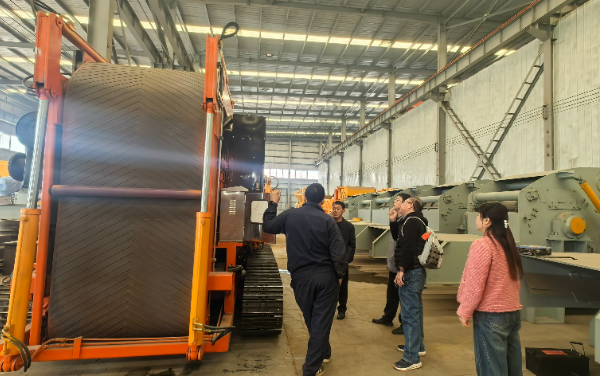
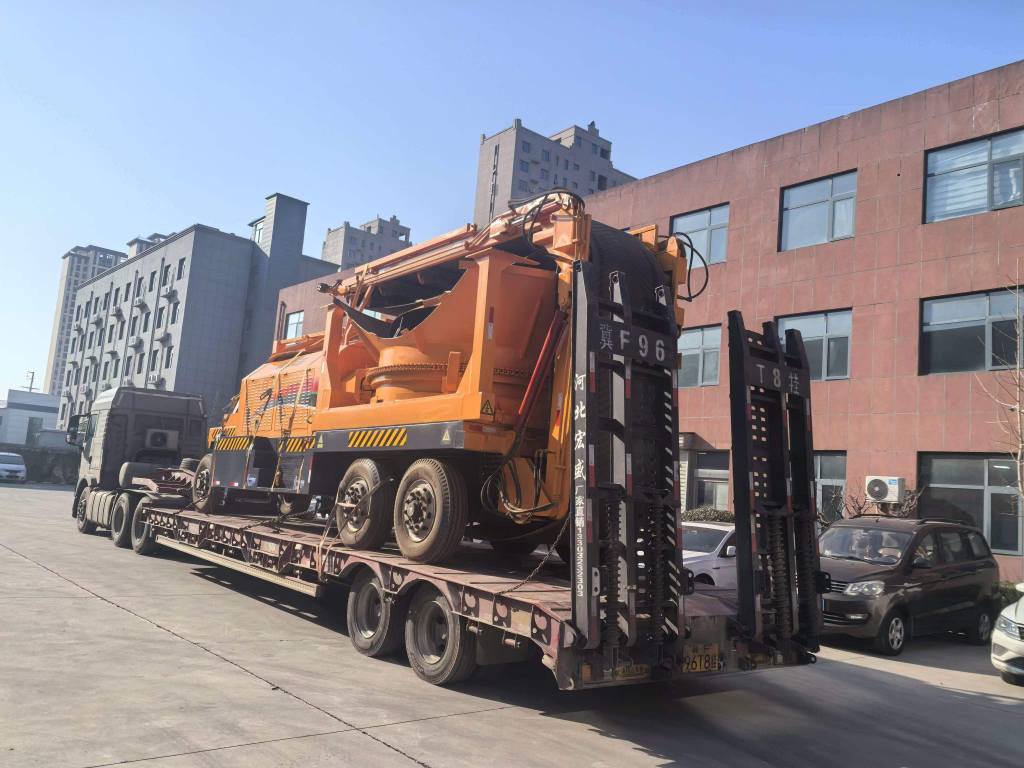
Zhengzhou Jinpeng Machinery Equipment can configure drying systems together with shredders, chippers, grinders, screens, conveyors, and recycling equipment. These systems can serve biomass, wood residue, RDF, and industrial waste applications.
Before choosing a dryer, check the complete material path. Consider how the feedstock enters the plant, how the system prepares and meters it, how the dryer removes moisture, and how the final material is cooled, cleaned, stored, and delivered.
This approach helps the production line handle difficult feedstock even when operating conditions are not ideal. Ultimately, that is where the real performance of an industrial drying system is proven.