Every year, billions of wooden pallets circulate through global logistics systems. In the United States alone, more than 2 billion pallets are actively used in warehousing and transportation, while over 500 million new pallets are produced annually. Around 90% of all pallets worldwide are still made from wood because of their low cost, high strength, and easy repairability.
However, behind this huge logistics industry lies a growing challenge: what should companies do with damaged, discarded, or waste wood pallets?
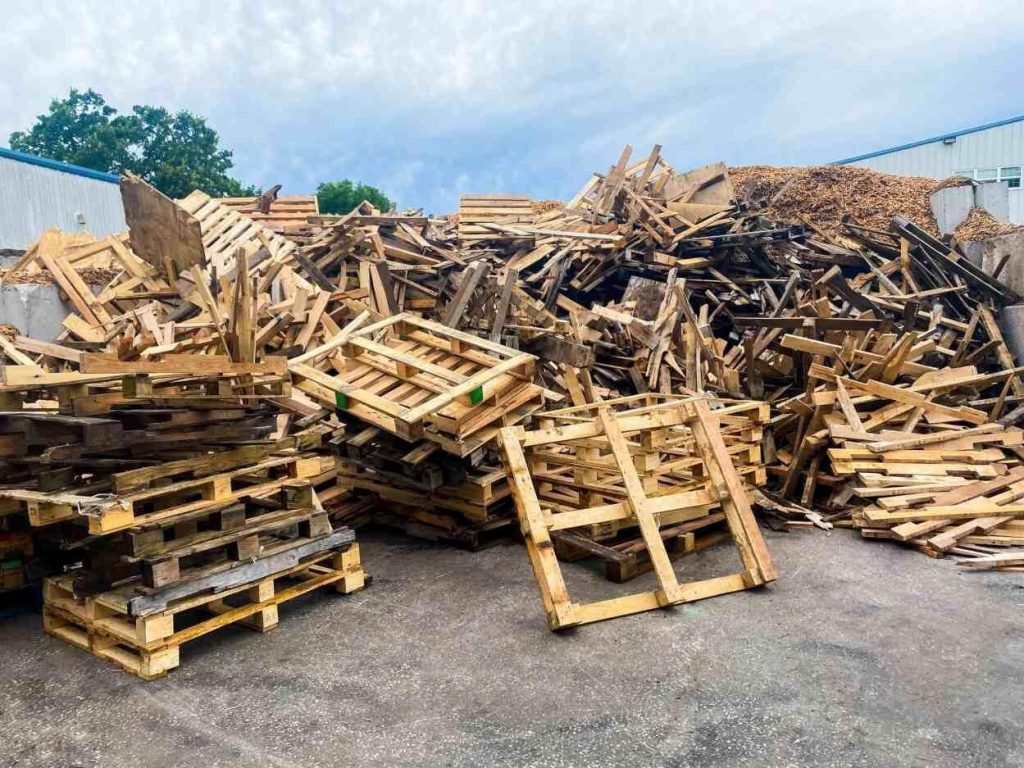
Factories, recycling stations, furniture plants, logistics centers, packaging companies, and biomass fuel producers all face the same problem — waste pallets occupy large storage space, increase transportation costs, and create fire hazards if not processed efficiently.
That is why more businesses are investing in professional wood pallet crushers.
If you are searching for the best wood pallet crusher manufacturer and supplier, this guide will help you understand what really matters before purchasing equipment.
Why Wood Pallet Crushing Is Becoming a Global Business Opportunity
The wood recycling market is expanding rapidly. According to industry research, the global wood recycling market is expected to reach nearly USD 36 billion by 2034, driven by rising environmental regulations and increasing demand for renewable biomass fuel.
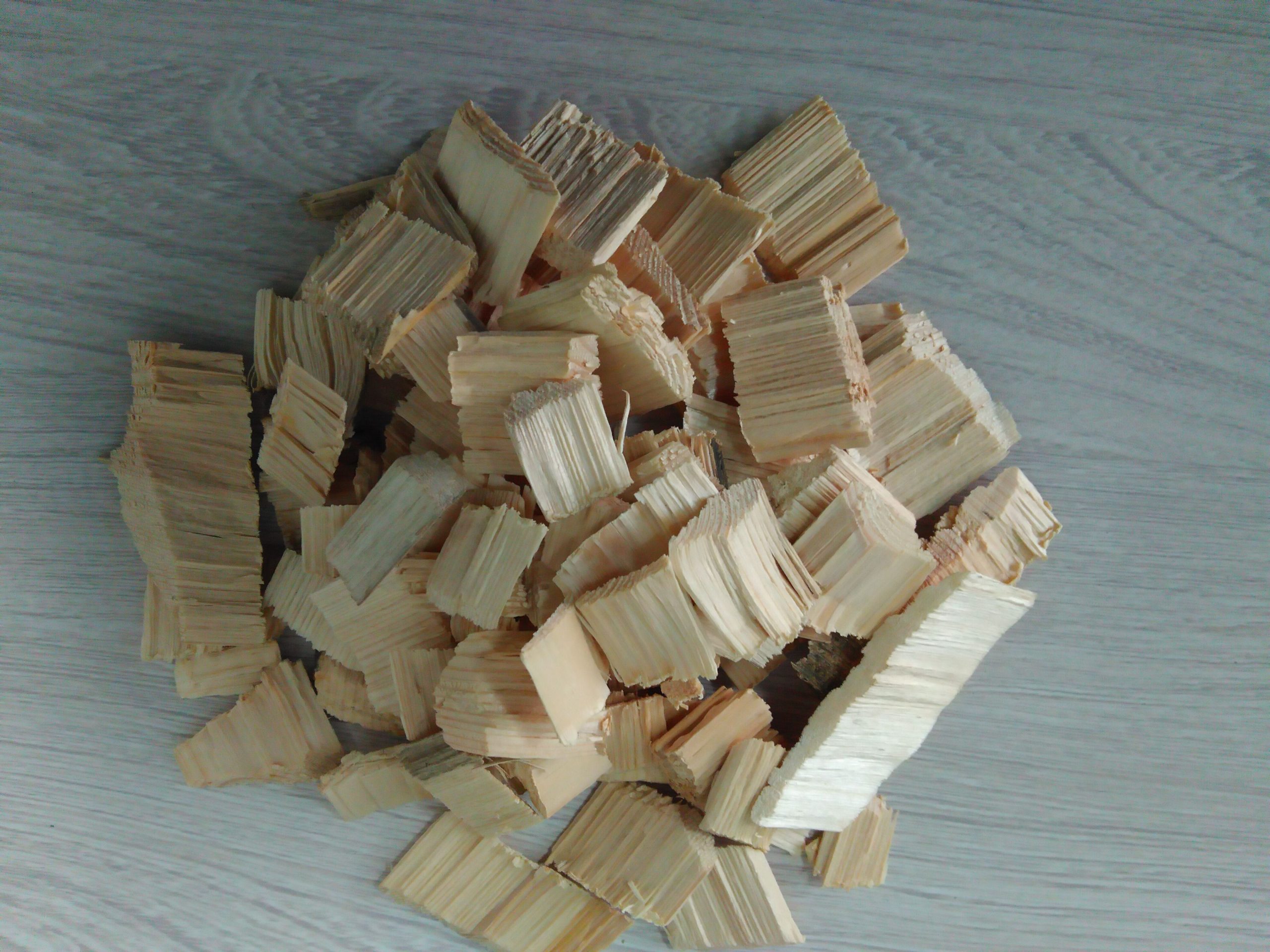
At the same time, pallet recycling has become one of the most important sectors in waste management. Many damaged pallets can no longer be repaired and must be shredded into wood chips, sawdust, or biomass fuel.
Common recycled outputs include:
- Biomass fuel for boilers
- Animal bedding
- MDF and particle board materials
- Compost and mulch
- RDF fuel
- Garden landscaping material
As labor costs rise worldwide, companies are replacing manual pallet dismantling with automated crushing systems that can process nails, screws, hinges, and mixed wood waste efficiently.
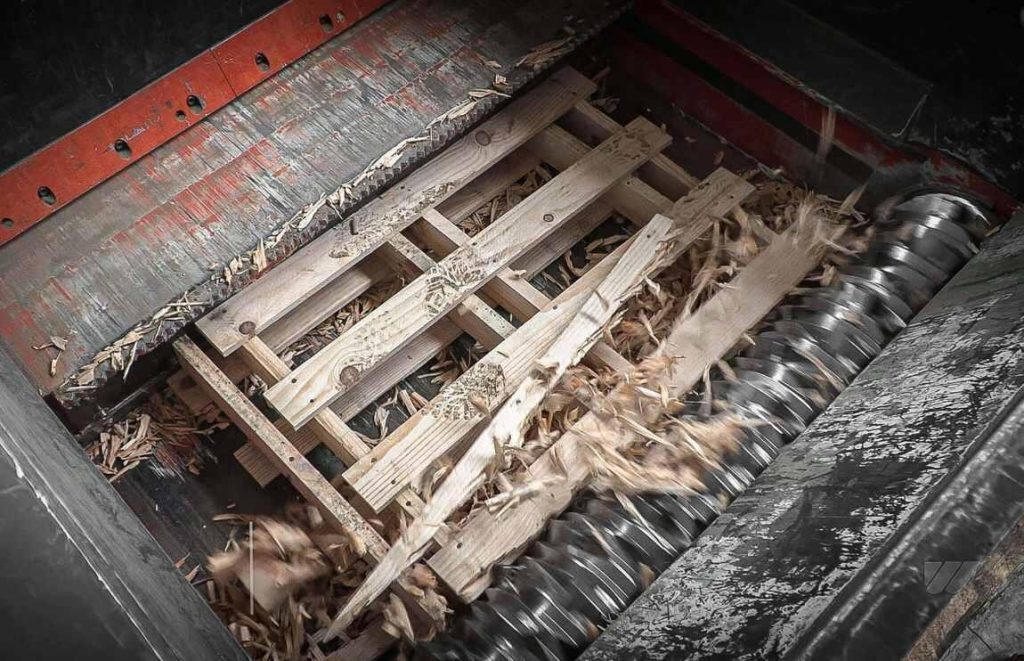
What Makes a Good Wood Pallet Crusher?
Not all pallet crushers are designed for industrial use. Some machines work well for clean wood, but fail when handling nails, metal hinges, wet pallets, or mixed waste.
A professional wood pallet crusher should offer:
1. Strong Rotor and Hammer Structure
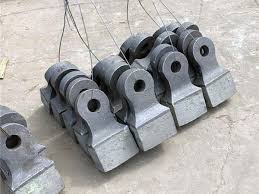
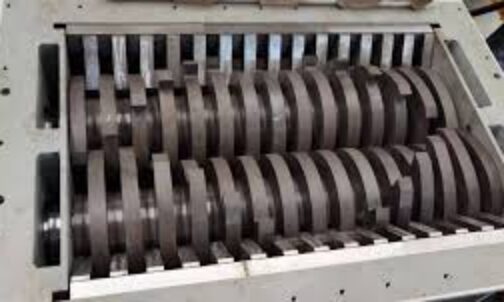
Industrial wood pallets often contain:
- Nails
- Metal plates
- Screws
- Steel hinges
Weak rotors wear out quickly under heavy impact.
A high-quality crusher uses:
- Heavy-duty rotor
- Thick hammer plates
- Reinforced shaft
- Durable bearing housing
This greatly improves machine lifespan and reduces maintenance costs.
2. High Capacity and Stable Output
For commercial recycling businesses, processing efficiency directly affects profits.
Typical industrial pallet crusher capacities include:
| Machine Size | Capacity |
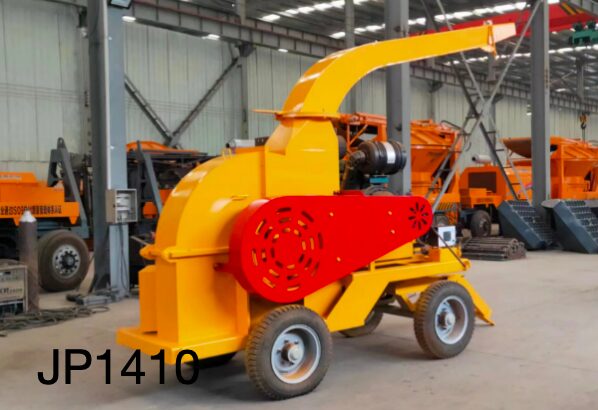
| Small Crusher/Chipper | 1-3 tons/hour |
| Medium Crusher | 5-10 tons/hour |
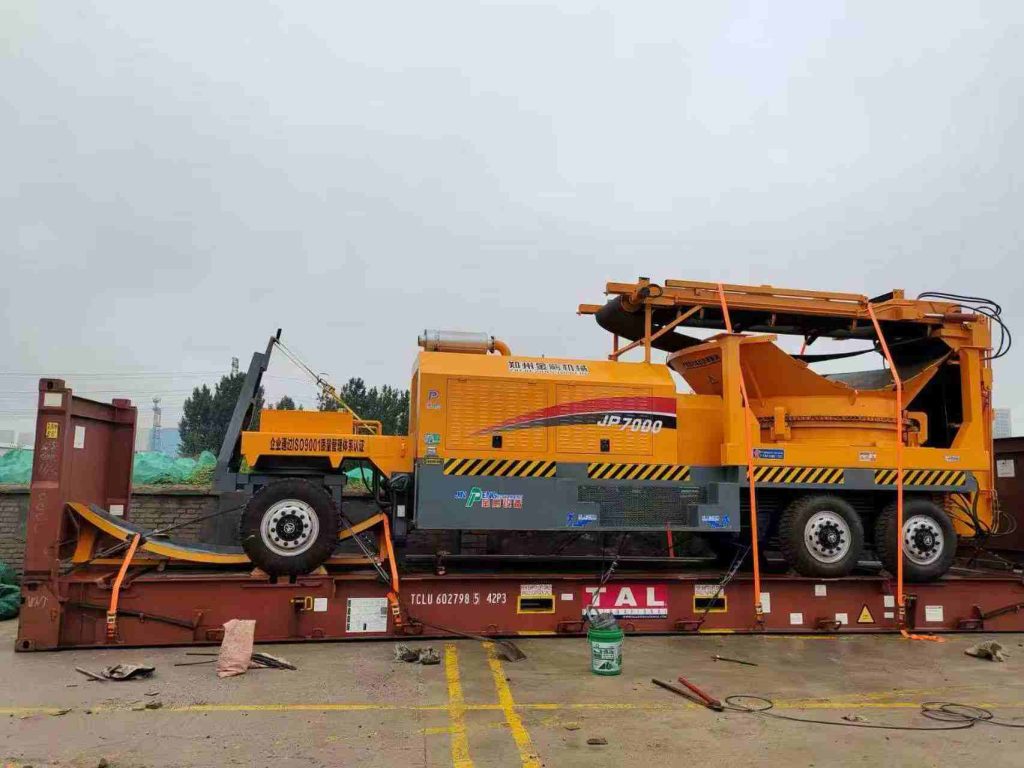
| Heavy-Duty Industrial Crusher JP7000,JP1300, JP1600 | 15-30 tons/hour |
The right supplier should provide customized solutions according to:
- pallet size
- moisture content
- metal contamination
- final output size
- feeding method
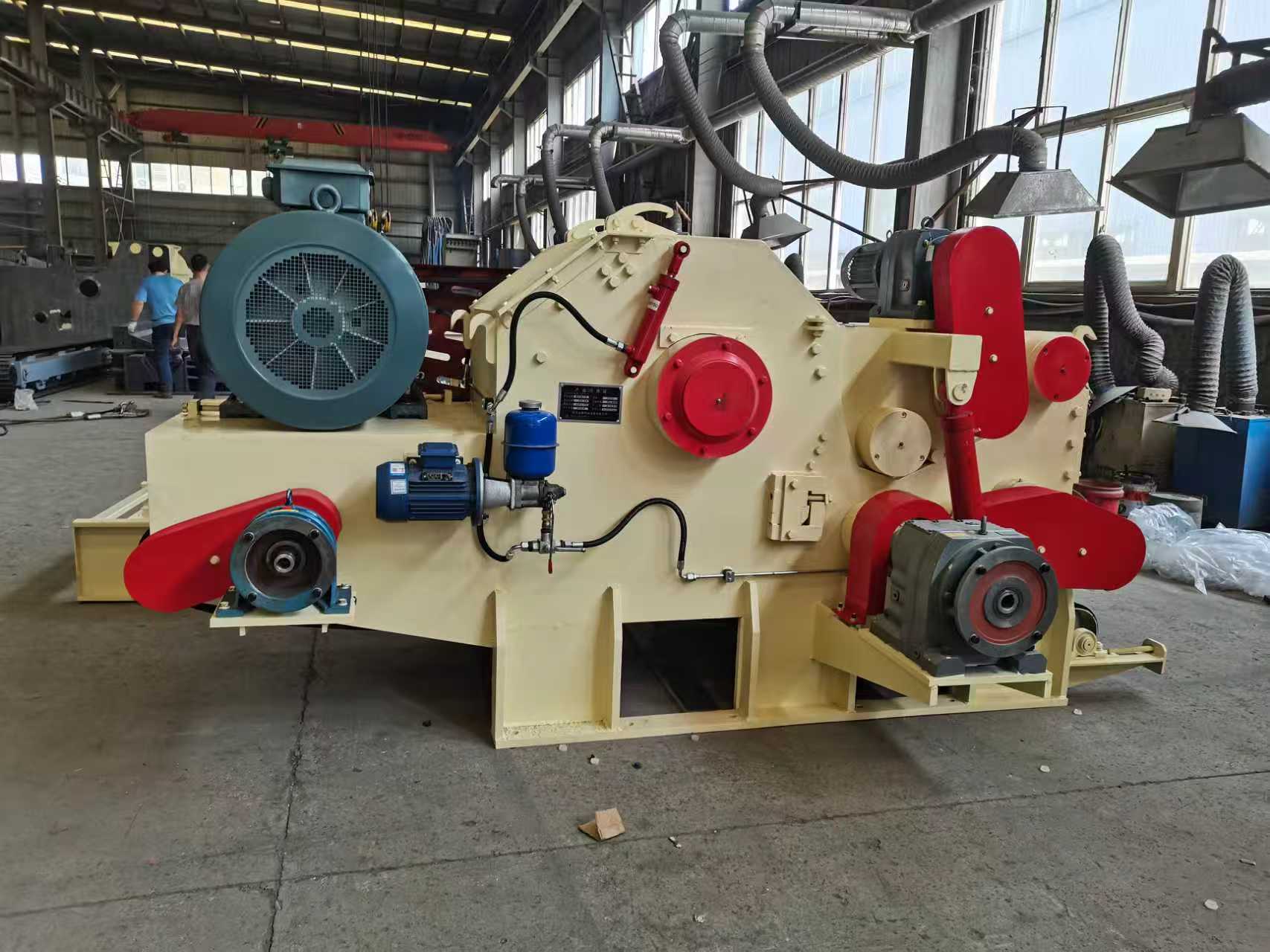
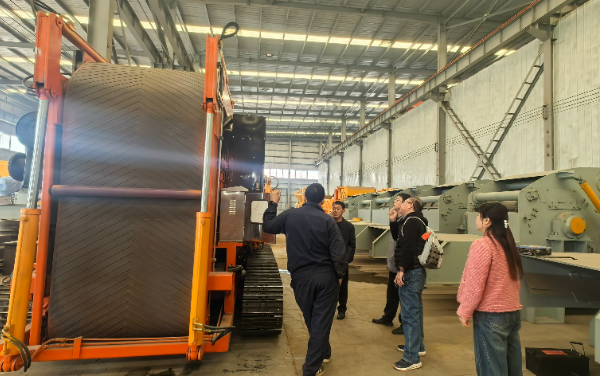
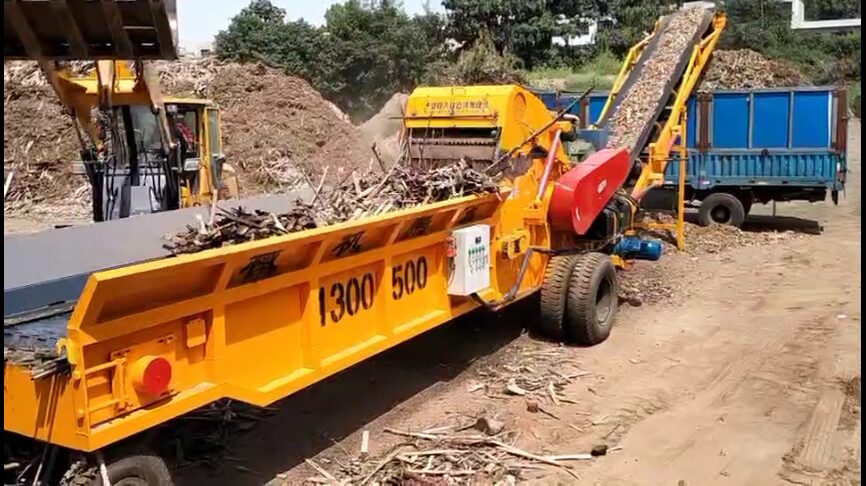
JP Wood Pallet Shredder can independently crush steel bars and iron nails with diameters of up to Φ10mm, as well as steel plates with a thickness of up to δ3mm. With a feed opening measuring 1300mm, it can accommodate construction formwork, wooden pallets, and logs with diameters of up to Φ400mm.
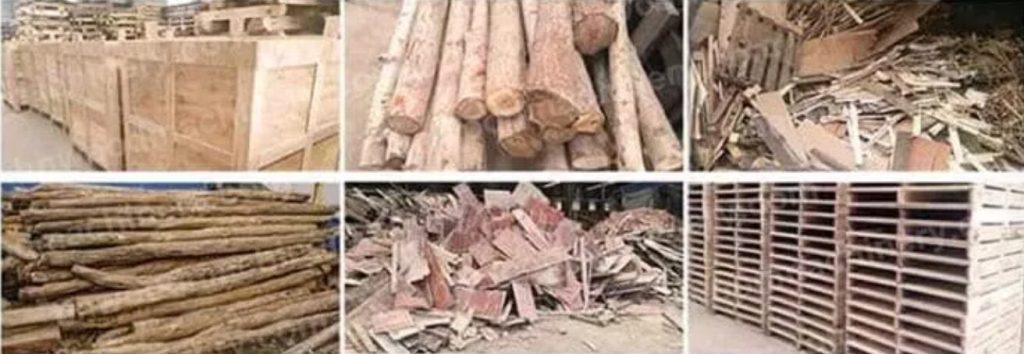
3. Ability to Process Mixed Wood Waste
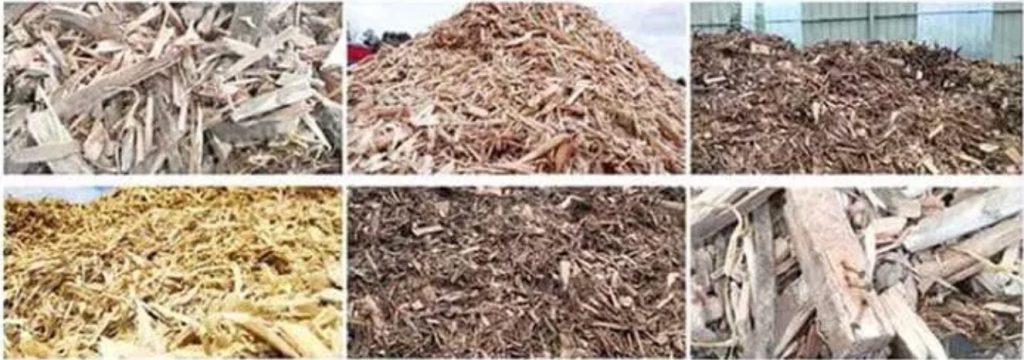
Modern recycling facilities rarely process only pallets.
Most companies also handle:
- tree roots
- construction wood
- plywood
- furniture waste
- wood crates
- branches
- logs
- veneer waste
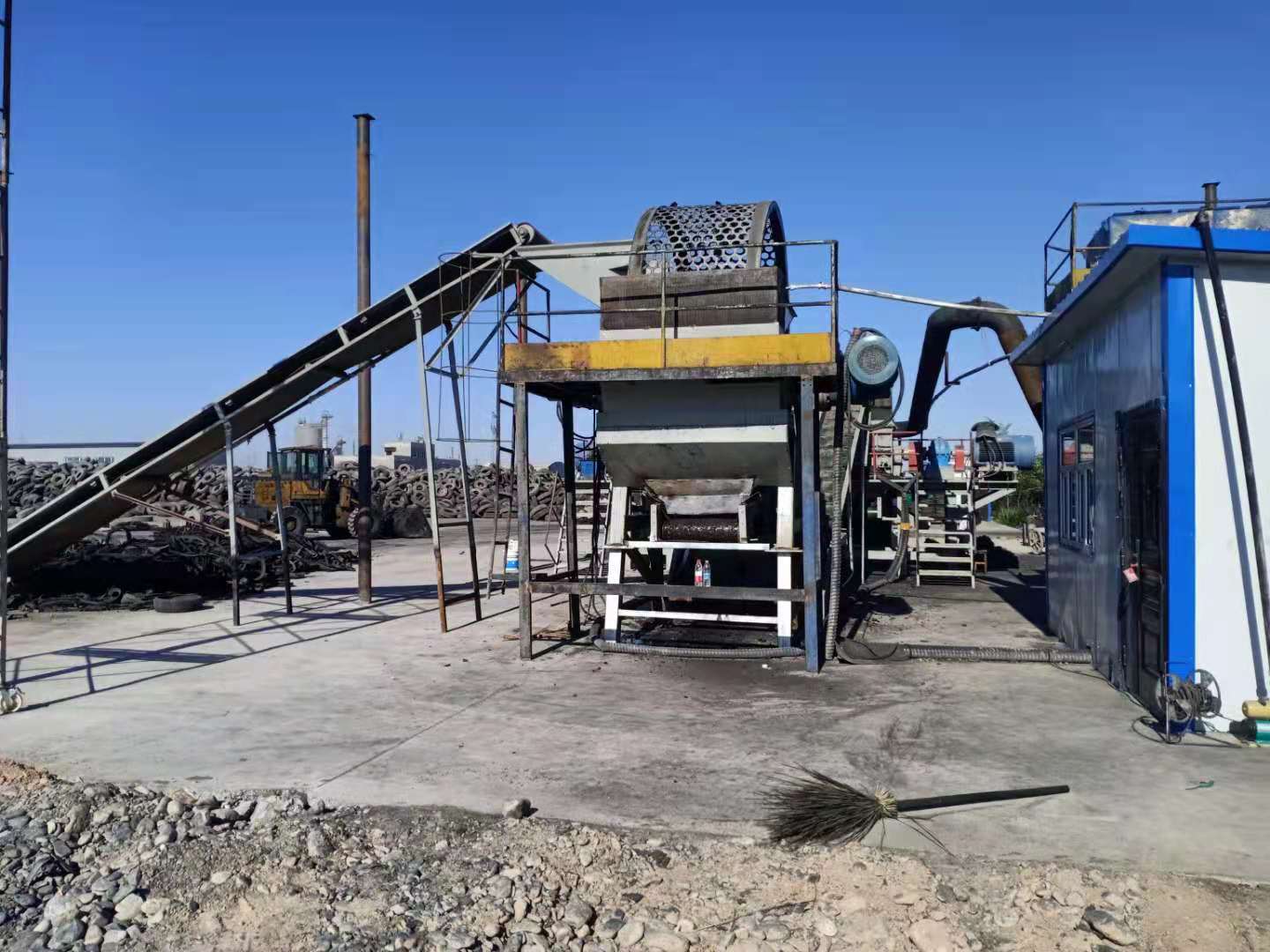
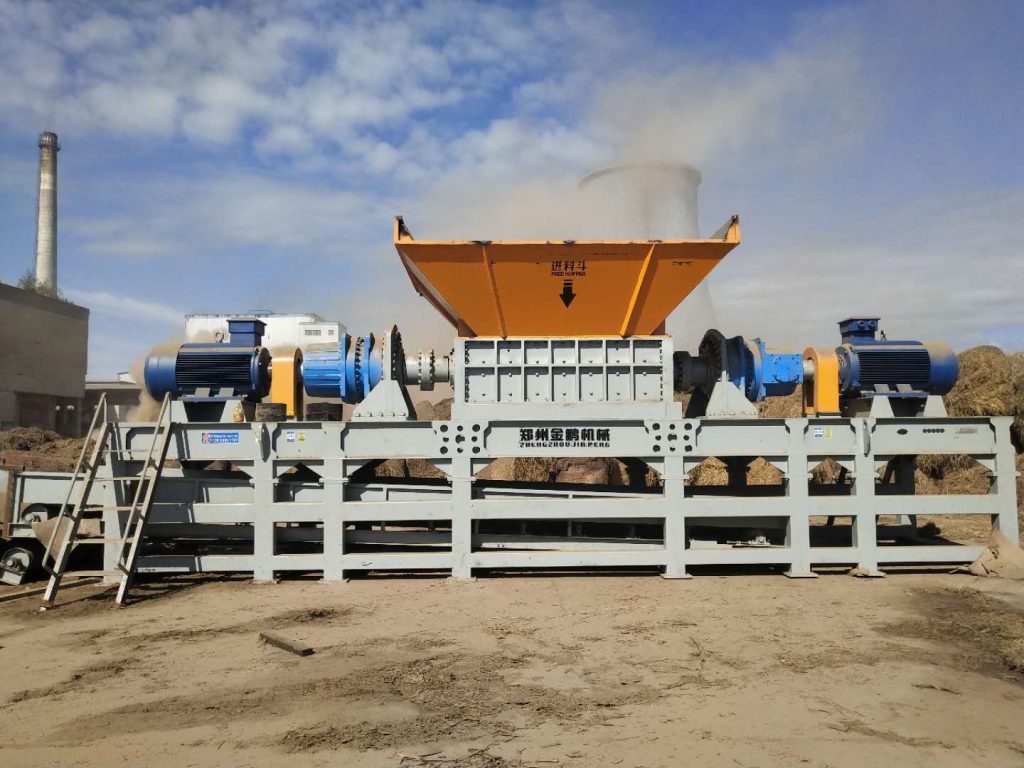
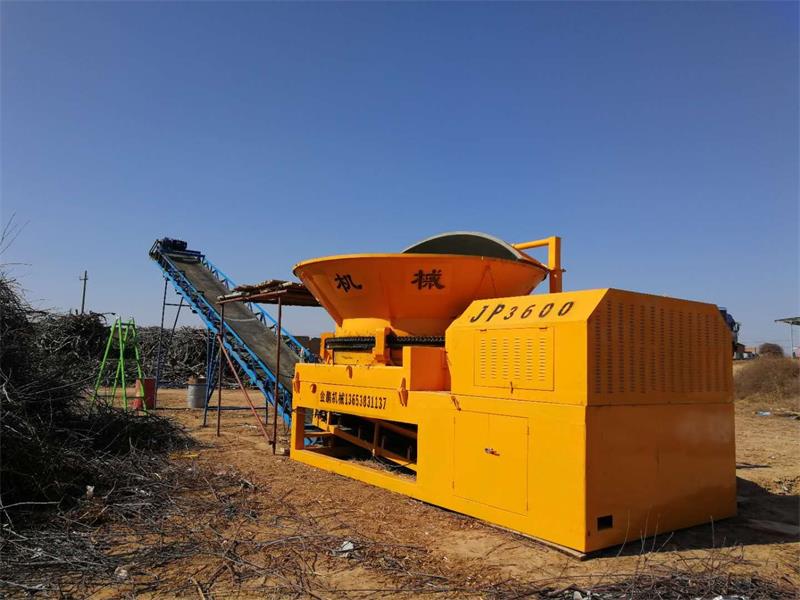
JP Crusher is capable of independently crushing steel bars and iron nails, as well as steel plates, thereby eliminating the time-consuming and labor-intensive burden of manual sorting. The discharge section features a magnetic separation device utilizing powerful permanent magnets; this system consumes no power, ensures thorough iron removal, and allows the processed material to proceed directly to the next stage, effectively preventing iron nails and other debris within the material from causing damage to downstream machinery.
Notably, we have successfully engineered a specialized “foundation-free” horizontal pallet crusher—a solution tailored for regions where shallow groundwater levels make the construction of traditional foundations difficult. This equipment features a compact structure and is easy to install;
4. Easy Maintenance
Downtime is expensive.
The best pallet crusher manufacturers design machines with:
- easy hammer replacement
- accessible screens
- centralized lubrication
- modular wear parts
This reduces service time and improves operational efficiency.
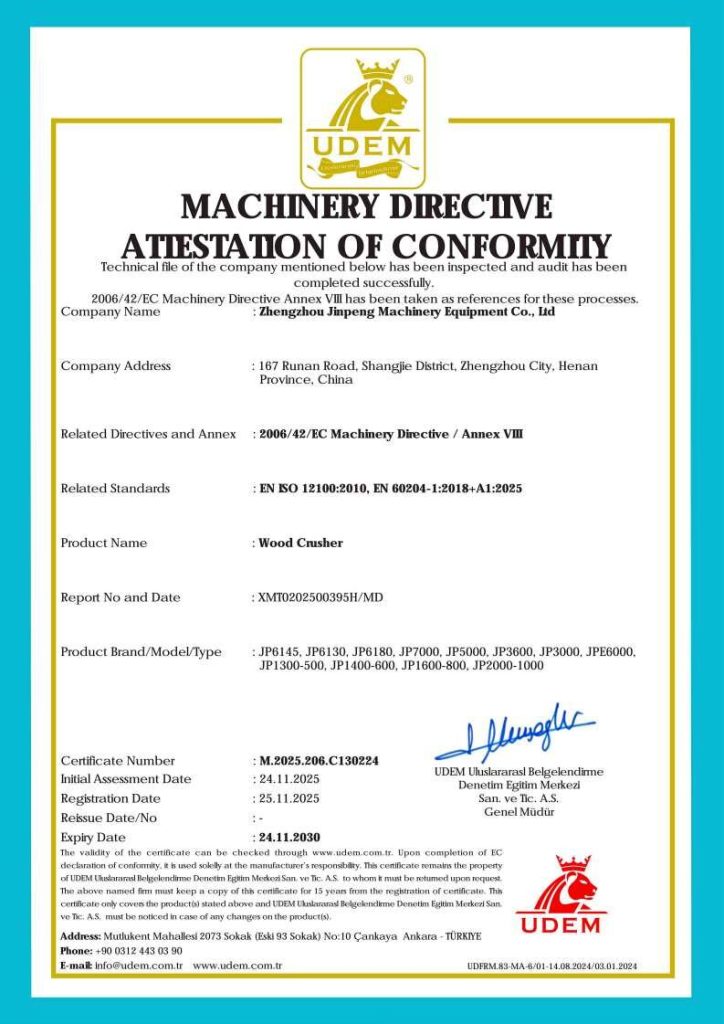
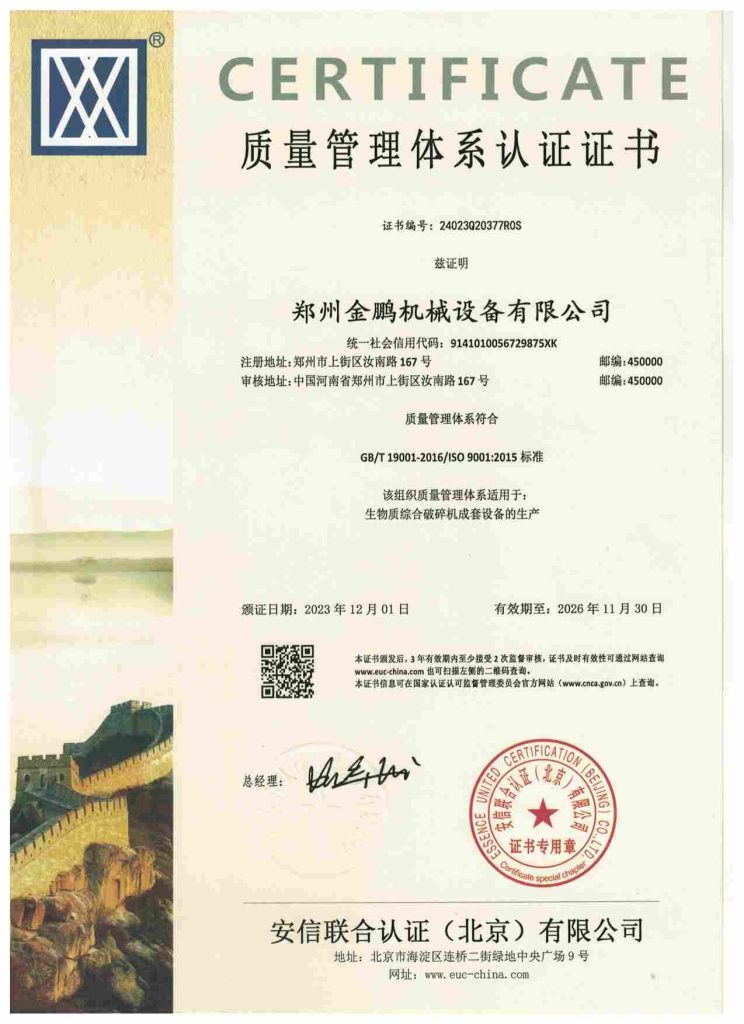
5. Export Experience
Many crusher manufacturers can build machines, but not every supplier understands international export standards.
A professional supplier should provide:
- CE certification
- complete export packaging
- installation support
- operation manuals
- spare parts service
- voltage customization
- ISPM-compliant shipping preparation
- EAC
This is especially important for customers in:
- Europe
- Southeast Asia
- South America
- Middle East
- Africa
Why More Buyers Choose Chinese Wood Pallet Crusher Manufacturers
China has become one of the world’s largest suppliers of wood recycling equipment because of:
- lower manufacturing cost
- mature steel processing industry
- experienced export teams
- customizable machine design
- competitive pricing
Many international buyers now source crushers directly from Chinese manufacturers instead of local distributors to reduce procurement costs.
However, buyers should avoid selecting suppliers only based on low price.
Some factories use:
- thin steel plates
- low-quality bearings
- weak motors
- poor welding quality
This often leads to:
- shaft breakage
- excessive vibration
- bearing overheating
- unstable output
The key is finding a manufacturer with real production experience and successful overseas cases.
Why Many Global Buyers Choose JP Crusher
JP Crusher Official Website specializes in industrial wood recycling equipment and biomass processing solutions.
Their machines are widely used for:
- waste wood recycling
- wood pallet crushing
- biomass fuel production
- tree root shredding
- garden waste recycling
- forestry residue processing
Compared with ordinary crushers, JP Crusher machines focus on heavy-duty industrial applications.
Key Advantages
Heavy-Duty Rotor Design
The reinforced rotor structure helps process:
- nailed pallets
- hardwood waste
- mixed construction wood
- industrial packaging waste
This improves machine durability under continuous operation.
Wide Material Compatibility
JP Crusher equipment can handle:
- wood pallets
- tree branches
- tree roots
- plywood
- wood veneer
- bamboo
- furniture waste
- sawmill waste
- biomass materials
This allows recycling companies to expand business opportunities without purchasing multiple machines.
Customized Production Solutions
Different industries require different output sizes.
For example:
- biomass fuel plants need small uniform chips
- MDF factories require fine material
- waste transfer stations need volume reduction
JP Crusher provides customized crushing systems based on:
- material type
- required output size
- production capacity
- transportation method
- engine
- color
- logo
Export Experience
The company serves overseas markets and understands:
- international shipping requirements, FOB, CIF, CNF, EXW..
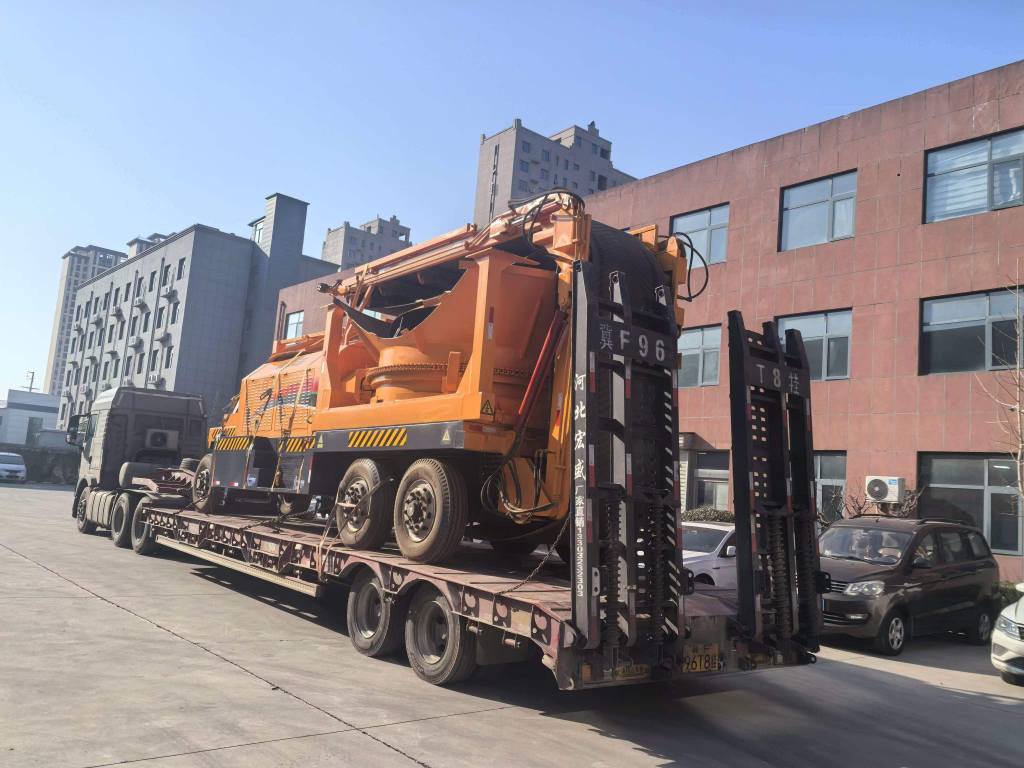
- export packaging, 20ft, 40HQ container, flat rack container
- machine commissioning
- multilingual communication: English
- machine crusher working video
This helps buyers reduce purchasing risks.
Industries Using Wood Pallet Crushers
Today, wood pallet crushers are used in many industries:
| Industry | Application |
| Logistics Companies | Waste pallet recycling |
| Furniture Factories | Scrap wood processing |
| Biomass Plants | Fuel chip production |
| Recycling Centers | Volume reduction |
| Paper Mills | Fiber recovery |
| Garden Waste Stations | Branch and wood waste crushing |
| Construction Companies | Demolition wood recycling |
| Textile Dyeing Mills Factory | Make Chipper to Burn, Get Steams for Dyeing |
As environmental policies become stricter, more companies are turning waste wood into profitable recycled materials.
Future Trends in the Pallet Recycling Industry
The pallet industry continues to grow due to:
- e-commerce expansion
- warehouse automation
- global logistics demand
- renewable energy projects
Industry research shows that global pallet demand could exceed 5.8 billion units annually.
At the same time, recycling rates are increasing rapidly because businesses want to:
- lower disposal costs
- reduce landfill waste
- improve sustainability
- create biomass fuel revenue
This means industrial wood crushing equipment will remain in high demand for many years.
Final Thoughts
Choosing the right wood pallet crusher manufacturer is not only about buying a machine.
It is about finding a long-term partner who understands:
- industrial recycling
- machine durability
- export requirements
- after-sales service
- customized solutions
For businesses involved in pallet recycling, biomass fuel production, or wood waste management, investing in reliable crushing equipment can significantly improve operational efficiency and profitability.
If you are looking for a professional wood pallet crusher supplier with export experience and heavy-duty industrial solutions, JP Crusher is worth considering.