1. Project Background
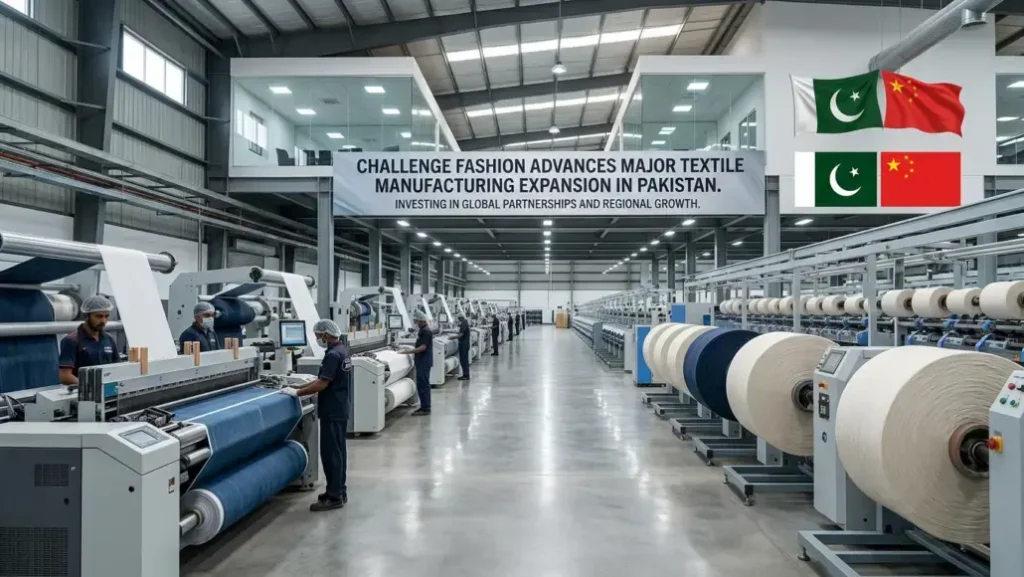
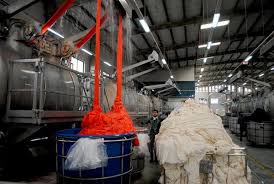
The client, a leading textile printing facility in Pakistan, requires a reliable and efficient energy solution to support their steam generation needs. In the textile printing industry, a continuous and stable supply of high-pressure steam is critical for processes such as fabric setting, dyeing, and drying.
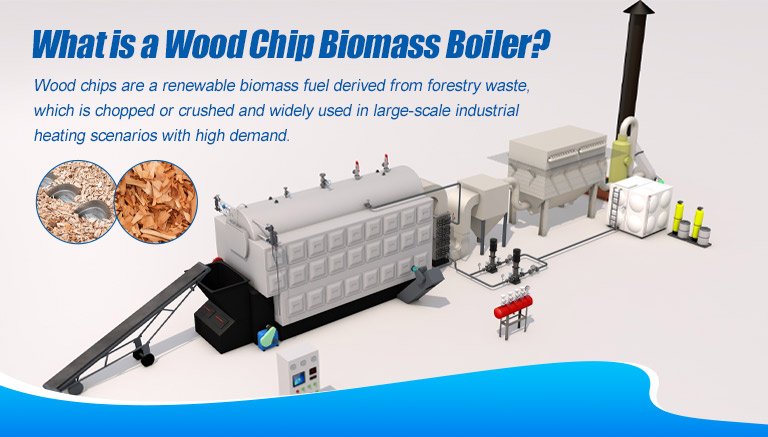
To reduce energy costs and transition towards sustainable practices, the client has opted to use wood chips as the primary fuel for their steam boilers.
2. Requirement Analysis
- Application: Wood chipping for boiler fuel (steam generation).
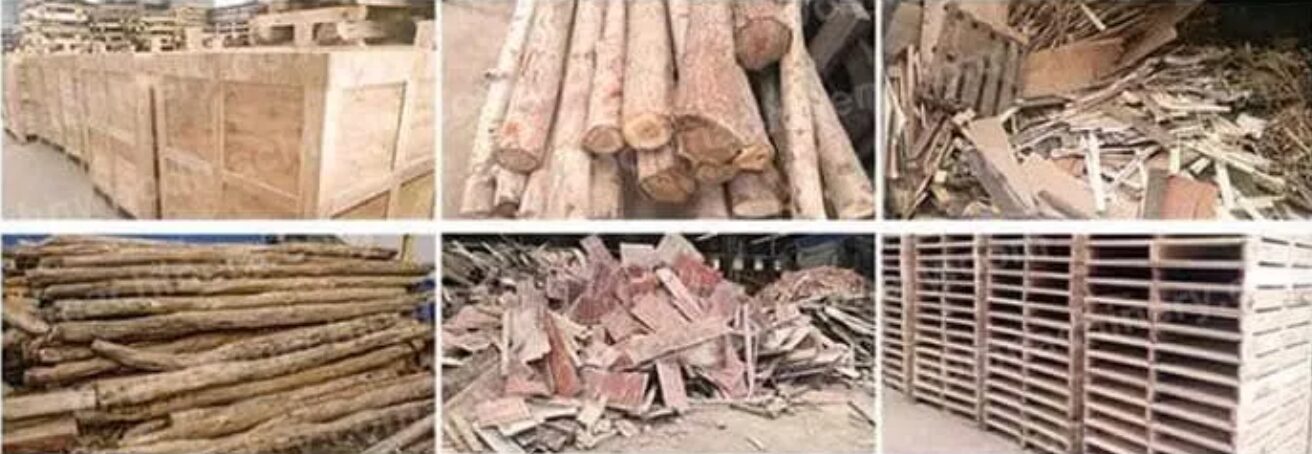
- Raw Material: Wood logs/waste with diameters ranging from 150mm to 200mm.
- Target Capacity: 10 tons per hour (t/h).
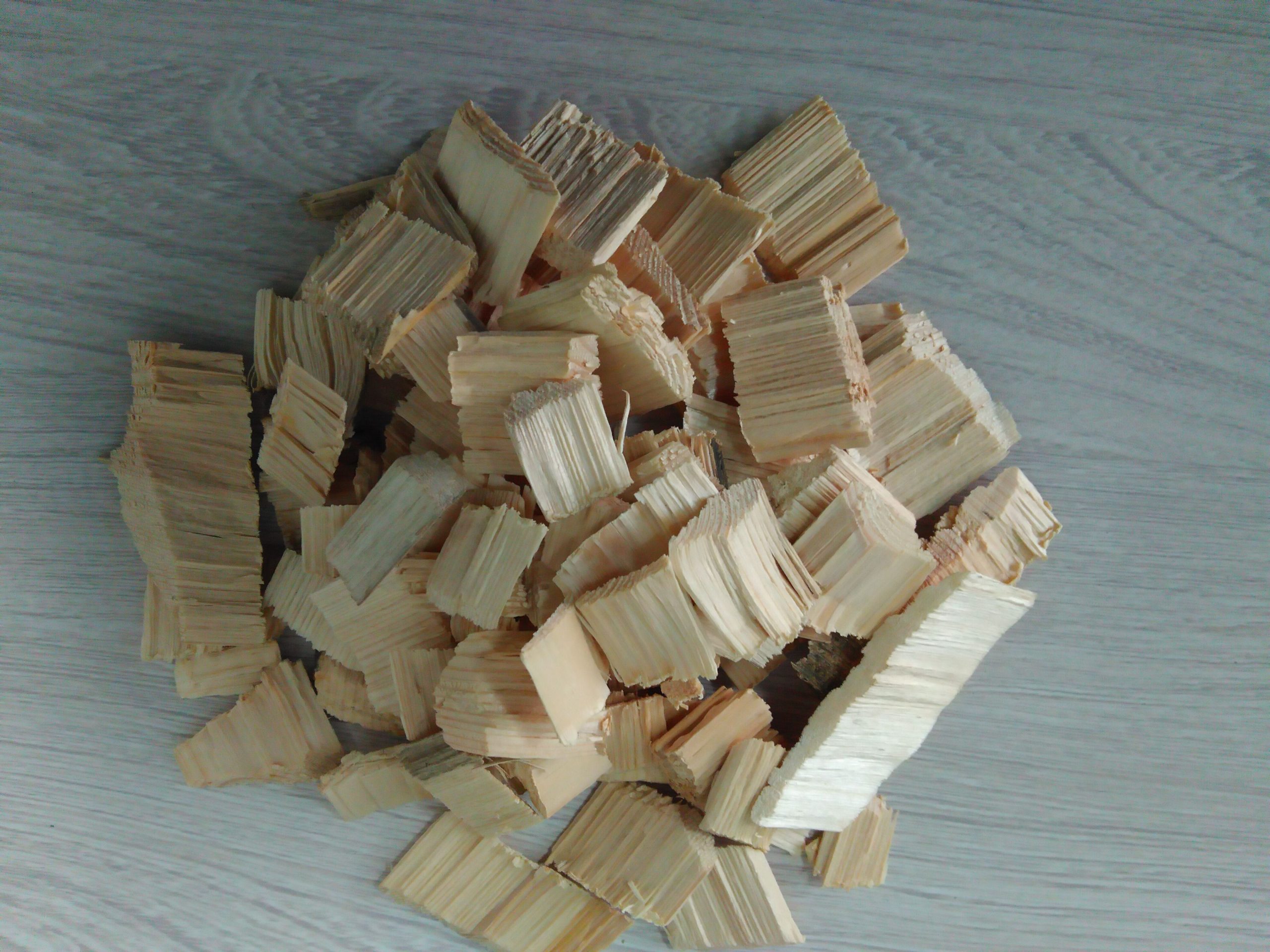
- Energy Goal: Produce uniform, high-quality wood chips to ensure stable combustion and maximum thermal efficiency in the boiler.
3. Proposed Solution: The JP218 Drum Wood Chipper
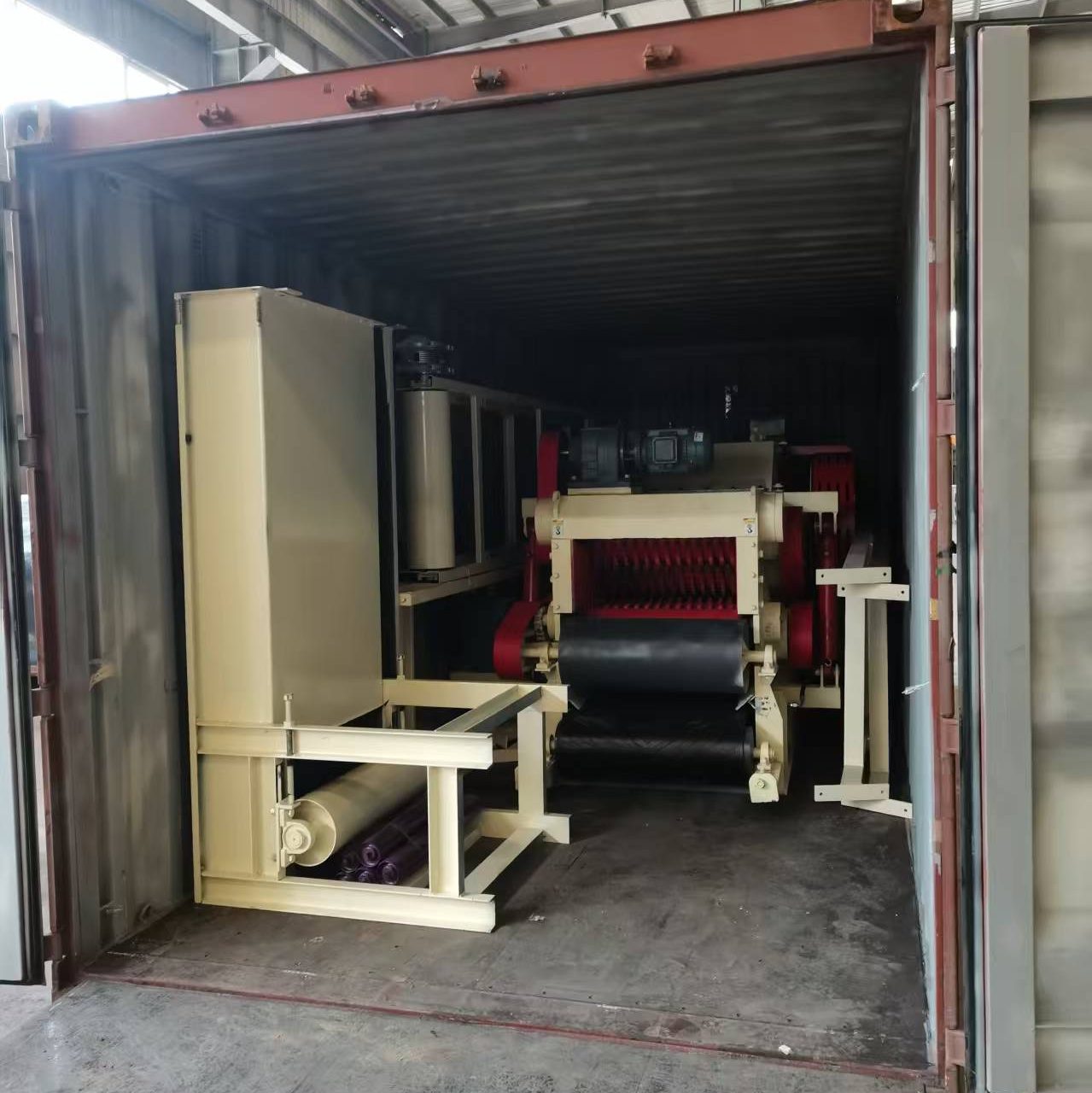
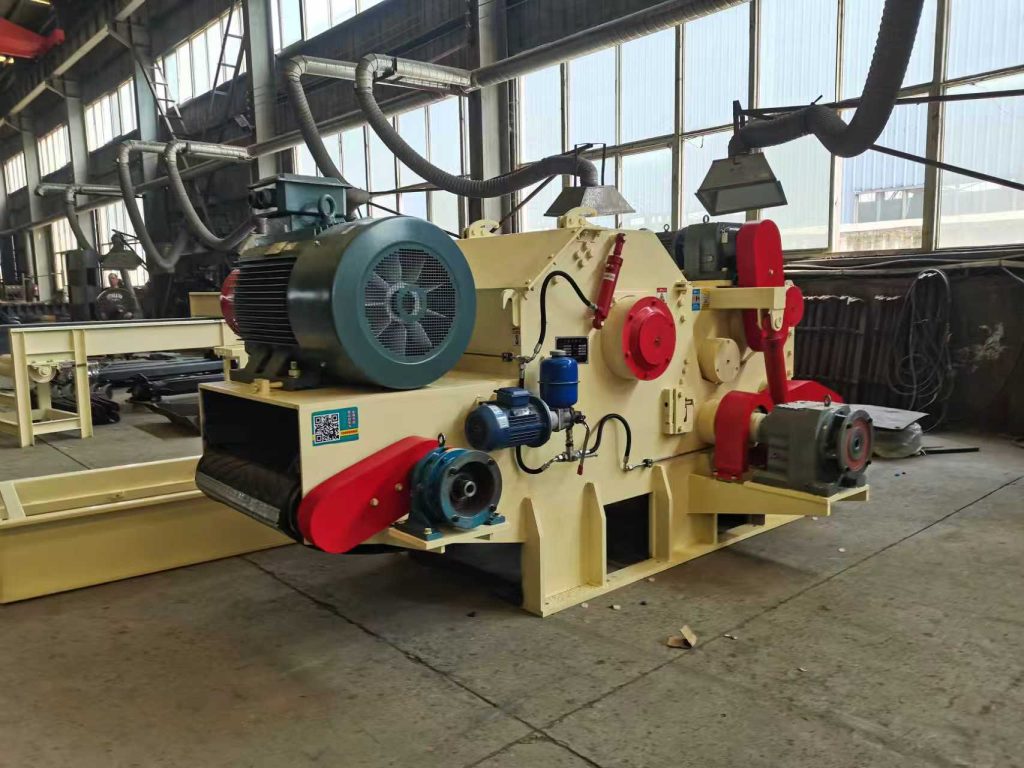
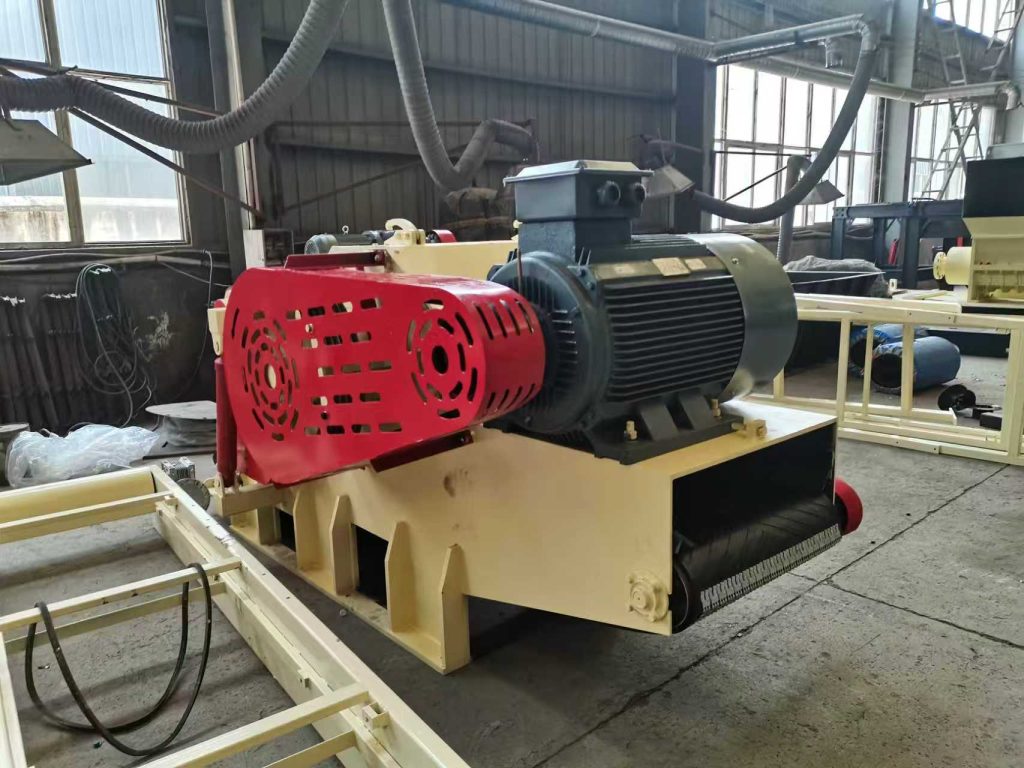
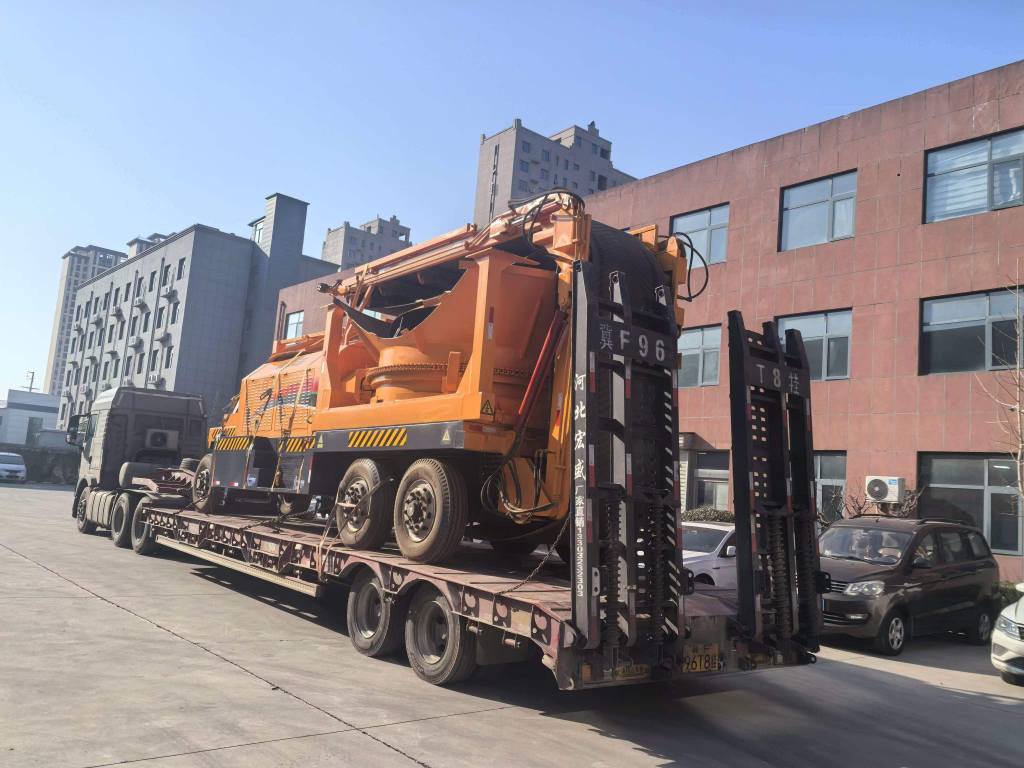
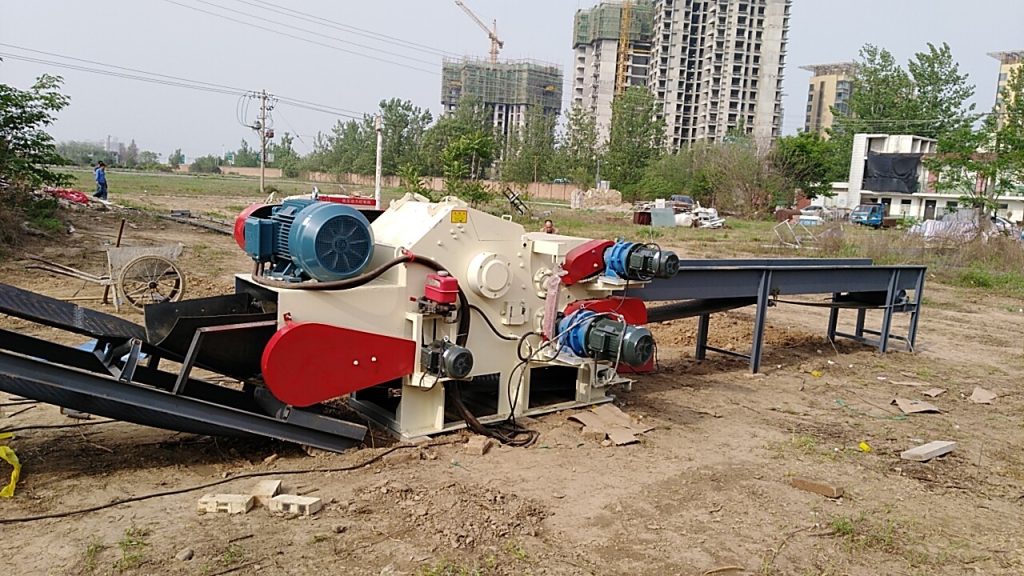
After evaluating the technical requirements, we have selected the JP218 Drum Wood Chipper as the core equipment for this project.
Why the JP218 is the Perfect Fit:
- Optimal Processing Range: While the client’s material is 150-200mm, the JP218 handles up to 250mm (25cm) in diameter. This provides a safe operational margin, ensuring the machine can easily process the largest logs without clogging or stressing the motor.
- Capacity Alignment: With a rated output of approximately 20 m3/hm3/h, the JP218 comfortably meets the 10 t/h requirement (depending on wood density). It ensures the client can maintain a steady fuel stockpile for 24/7 textile production.
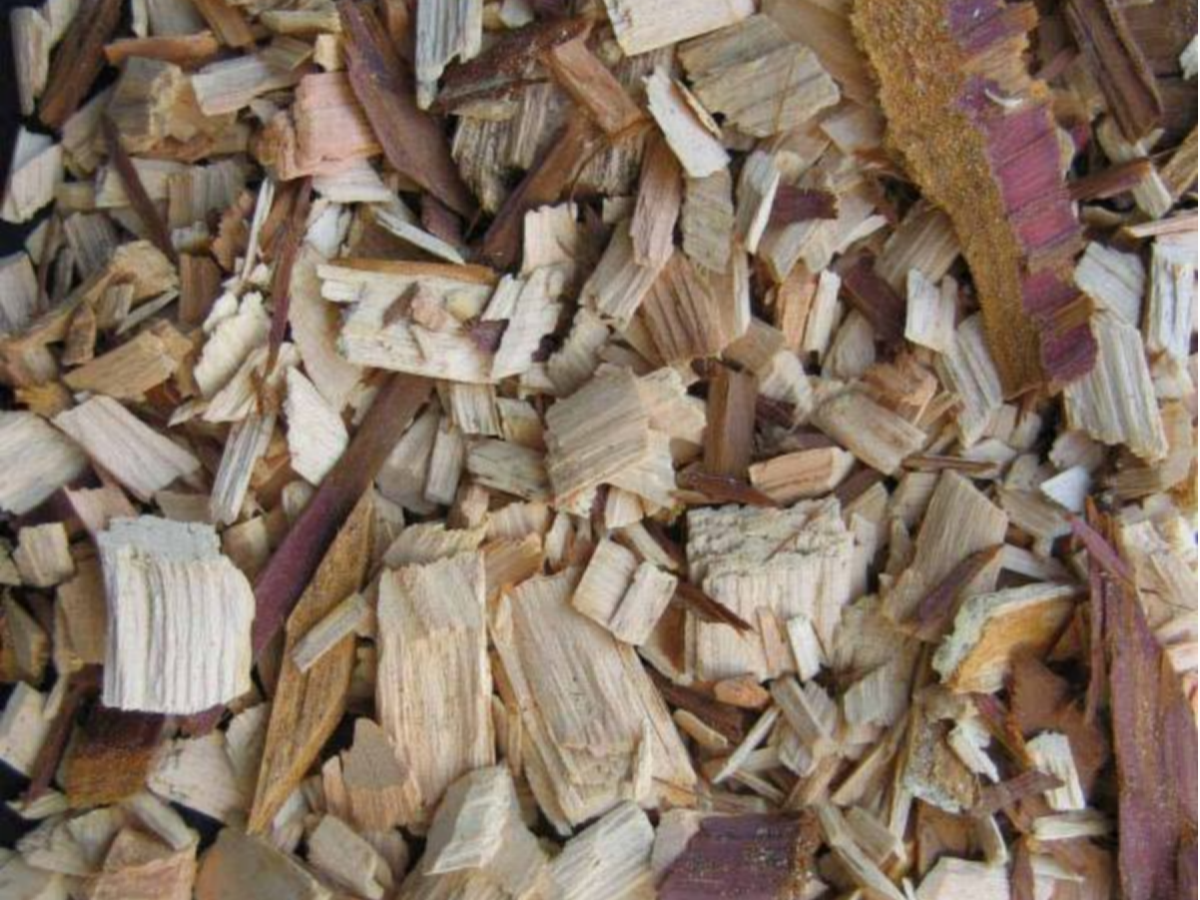
- Superior Chip Quality: The drum-style cutting logic produces uniform chips (standard 30mm), which is essential for automatic boiler feeding systems and results in more complete combustion compared to irregular hand-cut wood.
4. Technical Specifications (JP218)
| Feature | specification |
|---|---|
| Max. Feeding Diameter | 250 mm |
| Main Power | 110 kW |
| Capacity | ~20 m3/h (Approx. 10-12 t/h) |
| Quantity of Fly Knives | 2 Pieces |
| Inlet Size | 300 * 680 mm |
| Output Chip Size | 30 mm (Adjustable) |
5. Key Features of the JP218 Solution
- High-Torque Performance: The 110kW motor provides the necessary torque to shear through tough local wood species found in Pakistan, ensuring long-term reliability.
- Intelligent Hydraulic Feeding: Equipped with a hydraulic system that automatically adjusts the feed rollers based on the log size, reducing manual labor and increasing safety.
- Advanced PLC Control: Includes an automatic overload protection system. If the load is too high, the system will reverse the feeding automatically, preventing downtime in the textile factory.
- Heavy-Duty Construction: Built with high-strength carbon steel and heat-treated alloy knives, the JP218 is designed for the high-temperature and dusty environments often found in industrial energy plants.
6. Value Proposition for the Textile Business
By implementing the JP218 Drum Wood Chipper, the client will achieve:
- Fuel Self-Sufficiency: Lowering reliance on expensive fossil fuels or grid electricity.
- Process Stability: Uniform chips lead to stable steam pressure, which is vital for high-quality textile printing results.
- Lower Operational Costs: Efficient chipping reduces the cost per ton of steam generated, directly improving the factory’s profit margin.
FAQ- JP218 Solution
1. Is the JP218 capable of reaching a 10 t/h capacity with 200mm logs?
Yes. The JP218 is rated for approximately 20 m3/h. Given the density of common industrial wood, this reliably produces 10–12 tons per hour, meeting your textile plant’s peak steam demand.
2. Why is the 250mm processing diameter important if my logs are only 200mm?
Having a 50mm “buffer” is essential. In this way, It allows for knots, bent logs, or occasional oversized pieces to pass through without stalling the machine, significantly increasing overall operational efficiency and safety.
3. How does uniform wood chip size benefit my textile printing process?
Uniform chips (30mm) burn more evenly in the boiler. This results in stable steam pressure, which is vital for consistent dyeing and fabric setting quality in textile printing.
4. What kind of maintenance is required for the fly knives?
Fly knives are wear parts. Depending on the wood hardness and cleanliness, they should be sharpened every 8–12 hours. We recommend keeping 2 extra sets of spare knives to minimize downtime.
5. Can the JP218 handle the hardwood species commonly found in Pakistan?
Yes. The 110kW main motor provides high torque, and besides, the drum-style cutting logic is specifically designed to shear through tough, fibrous, or dense hardwoods efficiently.
6. Does the machine include protection against metal contaminants?
While we recommend pre-sorting wood, the JP218 can be equipped with an optional magnetic separator on the discharge conveyor to protect your boiler’s feeding system from metal fragments.
7. How does the automatic feeding system work?
The machine uses a hydraulic-driven feeding roller. When the PLC detects a high motor load, it automatically slows or pauses the feeding to prevent a jam, then resumes once the drum is clear.
8. What is the expected lifespan of the JP218 in a 24/7 factory environment?
With proper daily lubrication and blade maintenance, the main structure of the JP218 is designed to last 10+ years. It is built with heavy-duty carbon steel to withstand industrial use.
9. Is it difficult to install and operate for local staff?
Not at all. The machine is shipped pre-assembled. We provide a detailed manual and video guidance. The operation is straightforward via the PLC control cabinet, requiring minimal training.
10. What electrical protection is provided for the 110kW motor?
The control cabinet includes a Star-Delta starter (or optional Soft Starter/VFD) to reduce current surge during startup, along with overload and phase-loss protection to ensure motor safety.