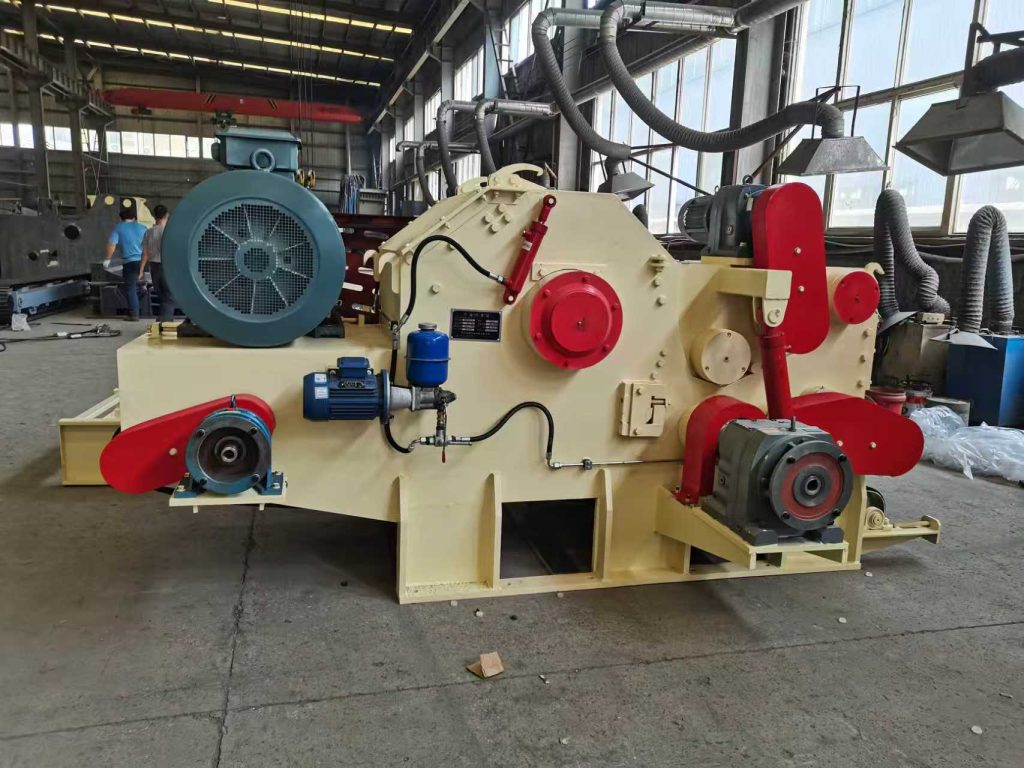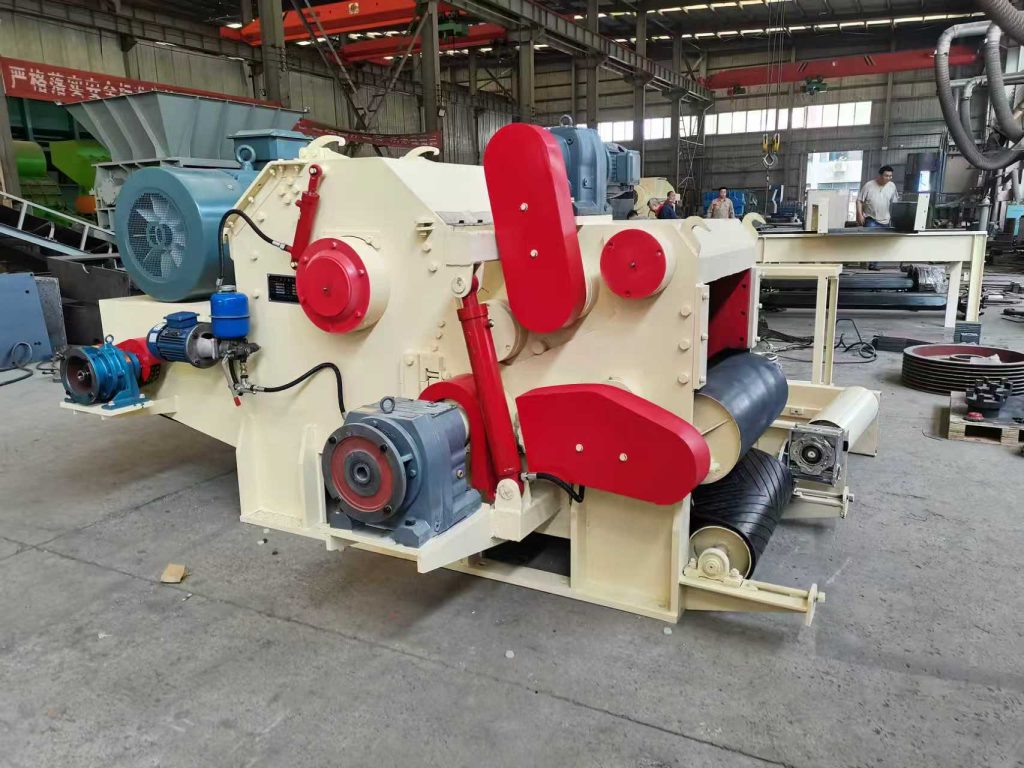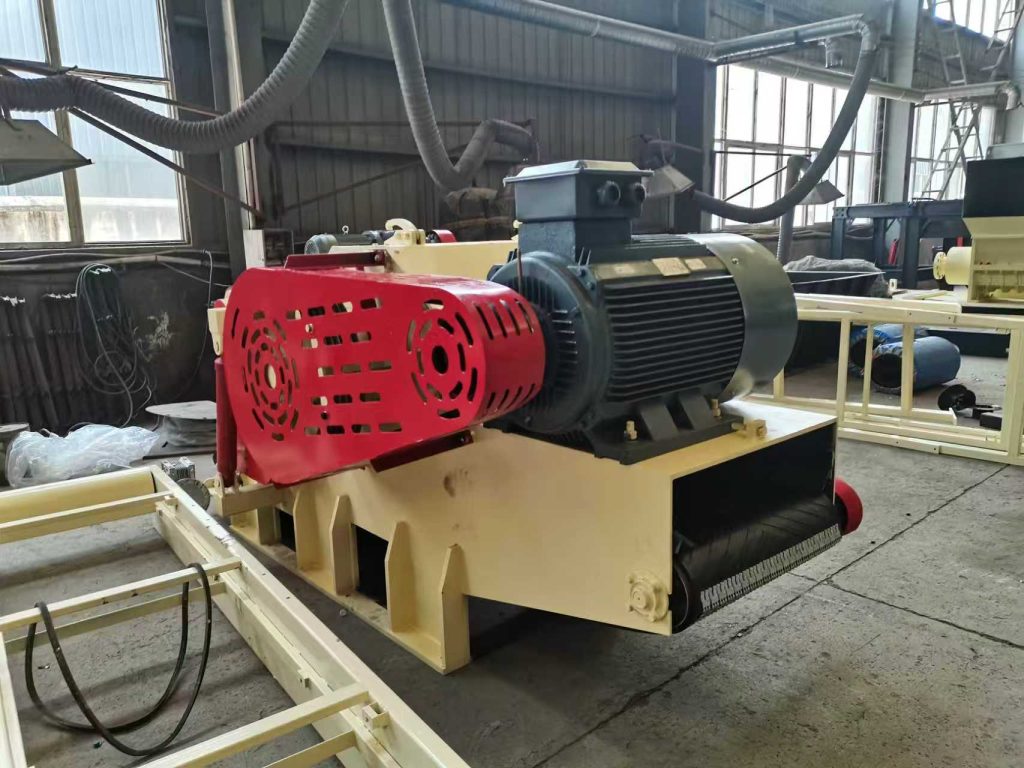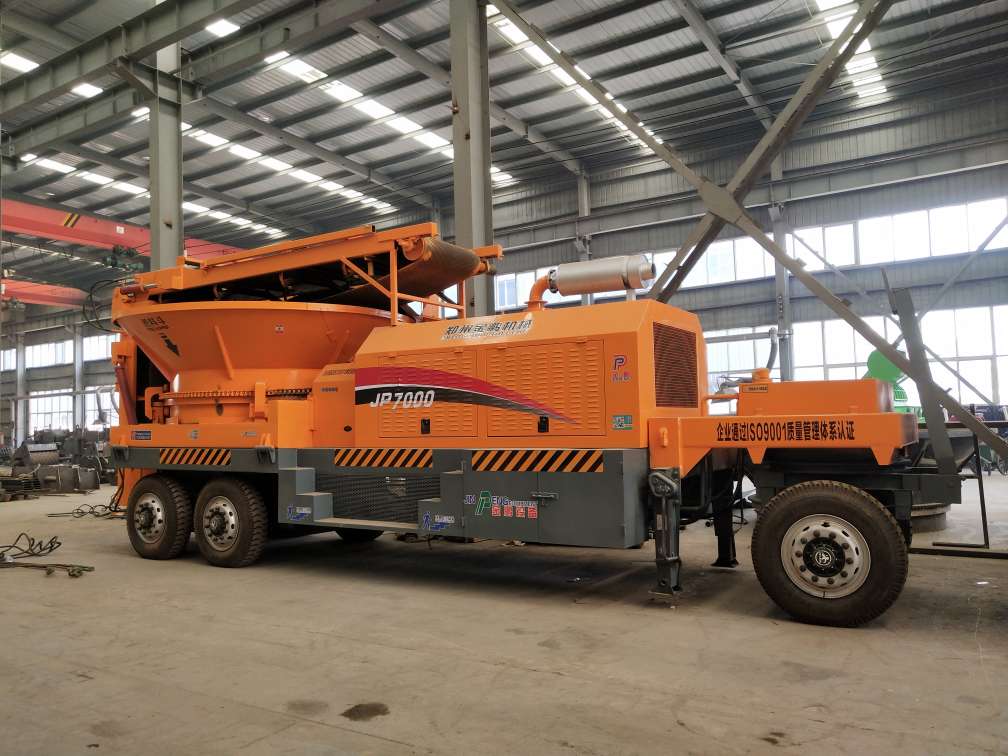
If your production target depends on turning logs, slabs, branches, or mill residue into uniform chips every shift, the industrial wood chipper machine is not a support tool. It is a front-end production asset that directly affects throughput, fuel quality, downstream screening efficiency, and plant uptime. For biomass plants, wood processors, and recycling operators, the wrong chipper creates bottlenecks fast.
That is why equipment selection should start with the material and the process, not just the quoted capacity. A machine rated for high output on clean roundwood may perform very differently on mixed green waste, sawmill offcuts, or irregular forestry residue. Industrial buyers need a chipper that matches feedstock variation, target chip size, line layout, maintenance resources, and export project requirements.
What an industrial wood chipper machine must deliver
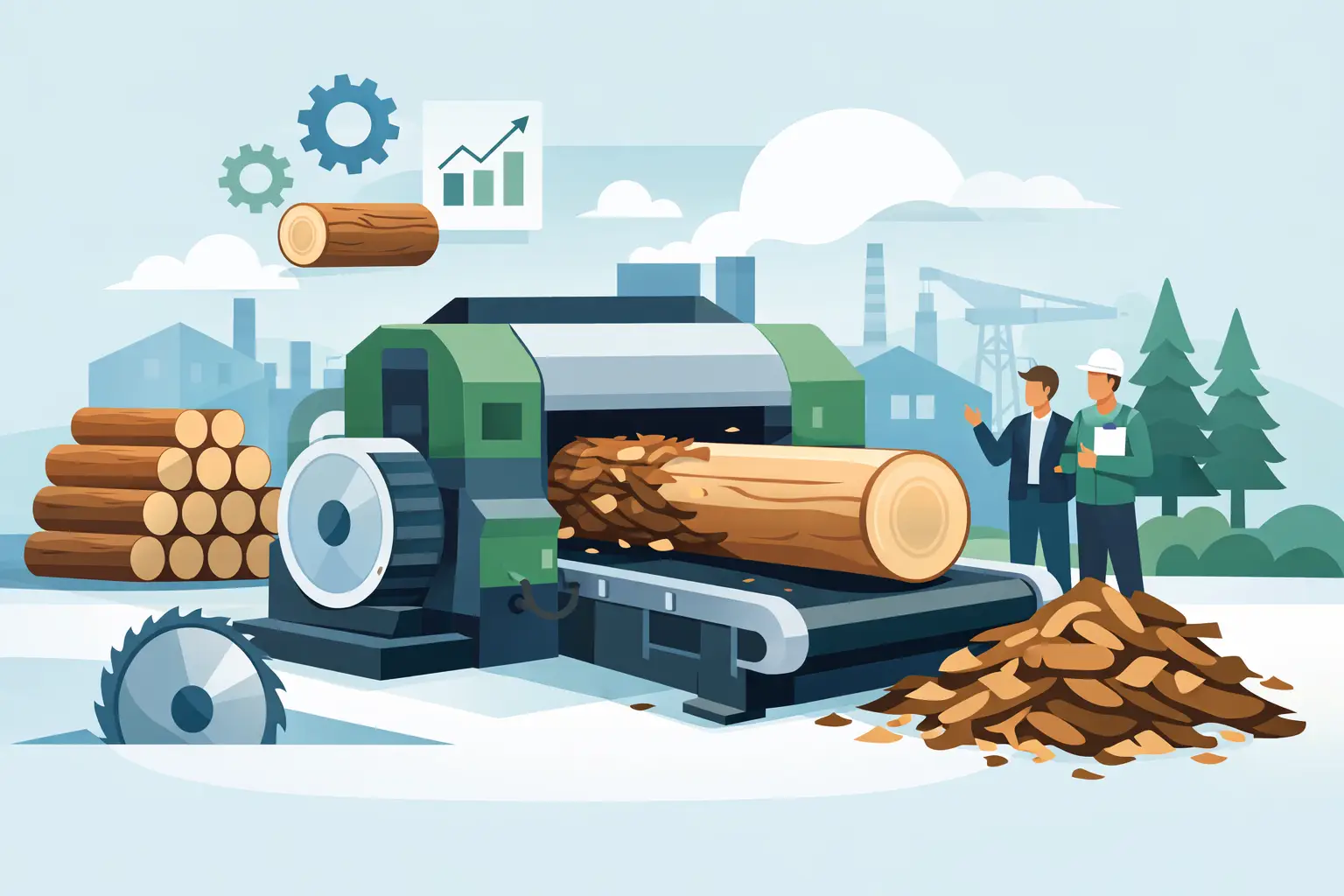
At industrial scale, chipping is about controlled size reduction under continuous load. The machine must accept the actual feedstock available on site, pull it in consistently, cut at the required rate, and discharge chips suited to the next stage, whether that is drying, pelletizing, boiler feeding, board manufacturing, composting, or screening.
This sounds straightforward, but the operating reality is more demanding. Wet material behaves differently from dry material. Softwood cuts differently from hardwood. Whole logs place different stress on the rotor than bark, slabs, or branch bundles. If your line handles variable raw material, the chipper must absorb that variation without constant stoppages, excessive knife wear, or unstable output.
For many plants, chip quality matters as much as volume. Oversized pieces can disrupt conveyors and dryers. Excess fines can reduce product value or affect combustion behavior in biomass applications. A properly specified industrial wood chipper machine should produce a controlled chip profile while maintaining stable hourly capacity.
Disc vs drum industrial wood chipper machine design
The first major decision is usually between disc and drum design. Both are proven industrial solutions, but they fit different production conditions.
Disc chippers for cleaner, more uniform feedstock
Disc wood chippers are commonly selected for sawmills, wood product plants, and chip manufacturing lines processing relatively regular material. They are valued for stable cutting geometry, clean chip formation, and efficient handling of logs, branches, and slab material within defined size ranges.
In operations where chip consistency is a priority, a disc chipper can be the better choice. It is especially effective when feedstock preparation upstream is already controlled. The trade-off is that highly tangled, bulky, or contaminated material may not feed as smoothly as it would in a more aggressive drum configuration.
Drum chippers for higher tolerance and heavier loading
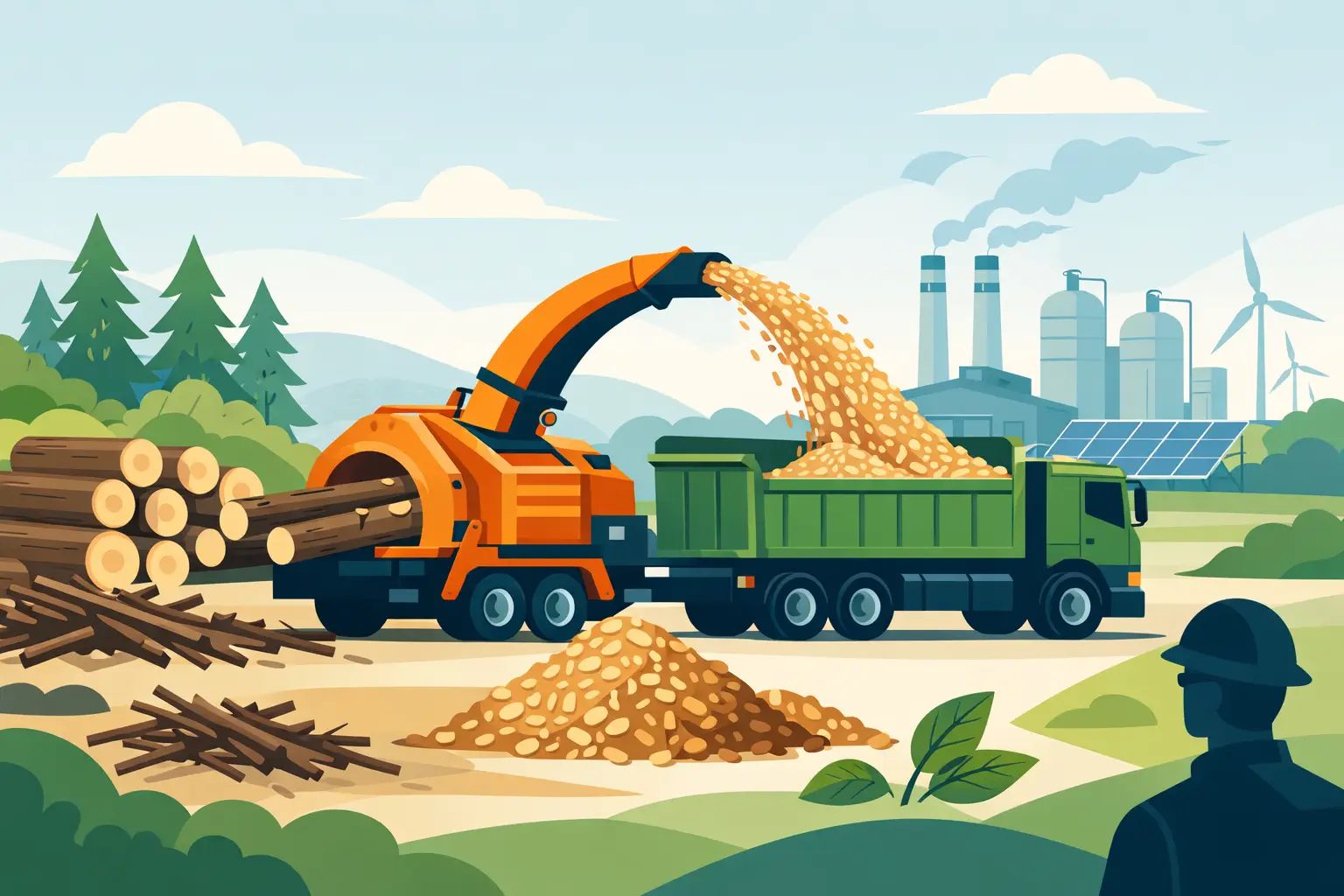
Drum chippers are often preferred in biomass fuel preparation, green waste processing, and larger-volume industrial systems where feedstock can be less uniform. Their feeding characteristics and cutting structure make them well suited for demanding throughput and continuous heavy-duty operation.
If your plant processes mixed wood residue, forestry offcuts, or variable-diameter material, a drum chipper may offer better practical productivity. The trade-off can be chip profile control, depending on machine design, knife setup, and screen configuration. In many cases, the right answer depends less on theoretical output and more on how consistent your incoming material really is.
Feedstock defines the machine more than the catalog does
B2B buyers often begin with a target capacity, but feedstock should drive the specification. A 10-20 ton per hour requirement means little without defining material type, moisture, maximum dimensions, contamination risk, and required discharge size.
Whole logs require strong infeed control and cutting force. Sawmill residue may demand efficient handling of slab wood and edging strips. Orchard waste and green waste introduce shape irregularity and more variable density. Biomass projects using mixed raw material need a machine that can tolerate fluctuation without sacrificing line stability.
This is where engineering consultation adds value. A serious supplier should ask for raw material photos, size ranges, moisture conditions, desired chip specification, and downstream process details before confirming the model. In practice, the best industrial wood chipper machine is not the biggest one. It is the one matched to the material stream and the production objective.
Capacity is not just tons per hour
Quoted throughput figures are useful, but they are rarely enough for investment decisions. Industrial performance depends on how the machine behaves across a full shift, not during a peak test under ideal conditions.
Real capacity is influenced by rotor design, knife configuration, feeding system strength, motor power, hydraulic response, and discharge efficiency. It is also shaped by maintenance intervals. A chipper that reaches high output for short periods but loses time to knife changes, feed jams, or bearing stress can underperform over the month even if its brochure number looks attractive.
For project planning, buyers should evaluate continuous capacity, acceptable material range, power consumption per ton, and wear-part replacement frequency together. Those factors have a direct impact on production cost and labor requirement.
The role of output size in downstream efficiency
Many operators focus on getting material smaller, but downstream systems usually need material to be not just smaller, but consistent. Dryers, hammer mills, pellet mills, boilers, and screens all run better when chip size stays within a controlled band.
If chips are too large, secondary processing load increases. If fines are excessive, material handling can become dusty and less predictable, and usable product yield may drop. That means the chipper should be chosen as part of a system, not as an isolated machine.
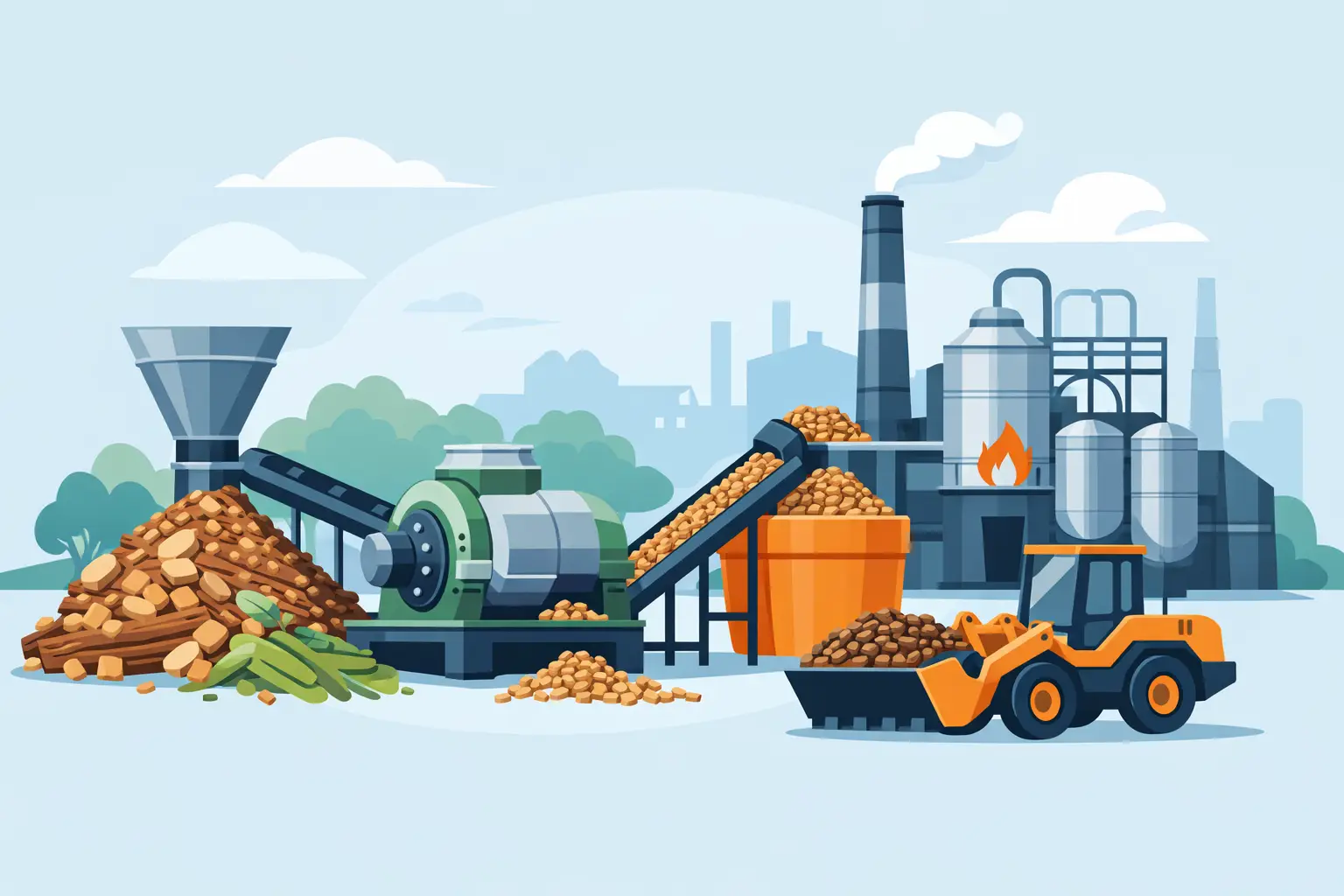
In a biomass line, for example, the chipper, screen, and dryer need to work as a coordinated sequence. In a wood chip export or board application, final size uniformity may have commercial importance. This is why integrated line design often produces better long-term results than selecting single machines independently.
Durability, wear parts, and maintenance access
Industrial chippers operate under impact, abrasion, and high-cycle loading. Durability is not only about frame thickness or motor size. It also depends on rotor balance, bearing selection, knife metallurgy, housing strength, and how easily operators can access wear areas.
Knife replacement time matters. So does the adjustment process. If maintenance takes too long or requires excessive skilled labor, operating cost rises quickly. The same is true if spare parts are difficult to standardize across multiple machines.
Procurement teams should look for practical service factors: accessible inspection points, stable hydraulic systems, predictable wear-part life, and a supplier that can support ongoing parts demand for export projects. For many buyers, this support capability is just as important as the initial machine price.
When a standalone chipper is not enough
A large share of industrial projects now require more than one machine. If incoming material includes bark, roots, oversized pieces, fines, or contaminants, the chipper performs best inside a complete preparation line.
That may include debarking before chipping, screening after discharge, drying for biomass moisture control, or grinding in later stages for finer product requirements. Recycling and RDF/SRF projects may also need shredding upstream when feedstock is too irregular for direct chipping.
This is where a manufacturer with broader size-reduction and screening capability becomes valuable. Zhengzhou Jinpeng Machinery Equipment Co., Ltd. serves many customers not with a single unit, but with matched systems for wood waste, biomass, and recycling applications. For industrial buyers, that reduces interface risk between machines and improves overall process control.
What to ask before requesting a quote
A useful quote starts with useful process data. Buyers should be ready to define feedstock type, maximum dimensions, moisture range, target capacity, required chip size, power standard, installation site, and whether the machine will work alone or within a full line.
It also helps to clarify whether the project is for biomass fuel, wood chip production, board feedstock, green waste recycling, or another application. These details affect machine structure, infeed design, discharge method, motor configuration, and supporting equipment.
A qualified supplier should then respond with more than a price. The response should include model recommendation, expected performance range, major configuration details, spare-parts considerations, and shipment terms suited to international procurement.
The right industrial wood chipper machine should do more than reduce wood size. It should remove a production constraint, stabilize your downstream process, and give your operation room to scale with confidence.