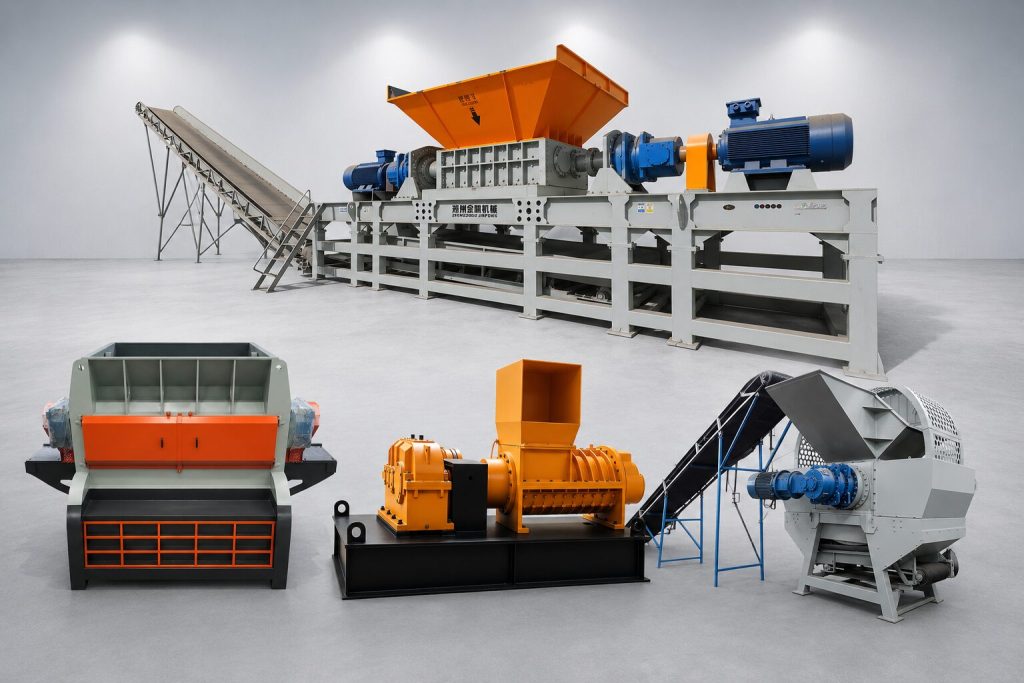
A solid waste shredding system should start with the material entering your plant. Municipal solid waste, commercial waste, industrial rejects, bulky waste, and construction waste can behave very differently. They may contain film plastic, textiles, wood, paper, metals, moisture, and abrasive materials in changing amounts.
Therefore, the right shredding system must handle this variation and create a stable feed for the next process. The goal is not simply to reduce waste volume.
For plant owners and project engineers, shredder selection affects much more than machine capacity. It can influence labor needs, fuel quality, screen performance, cutter wear, fire risk, and the uptime of the entire RDF, SRF, recycling, or waste-to-energy line.
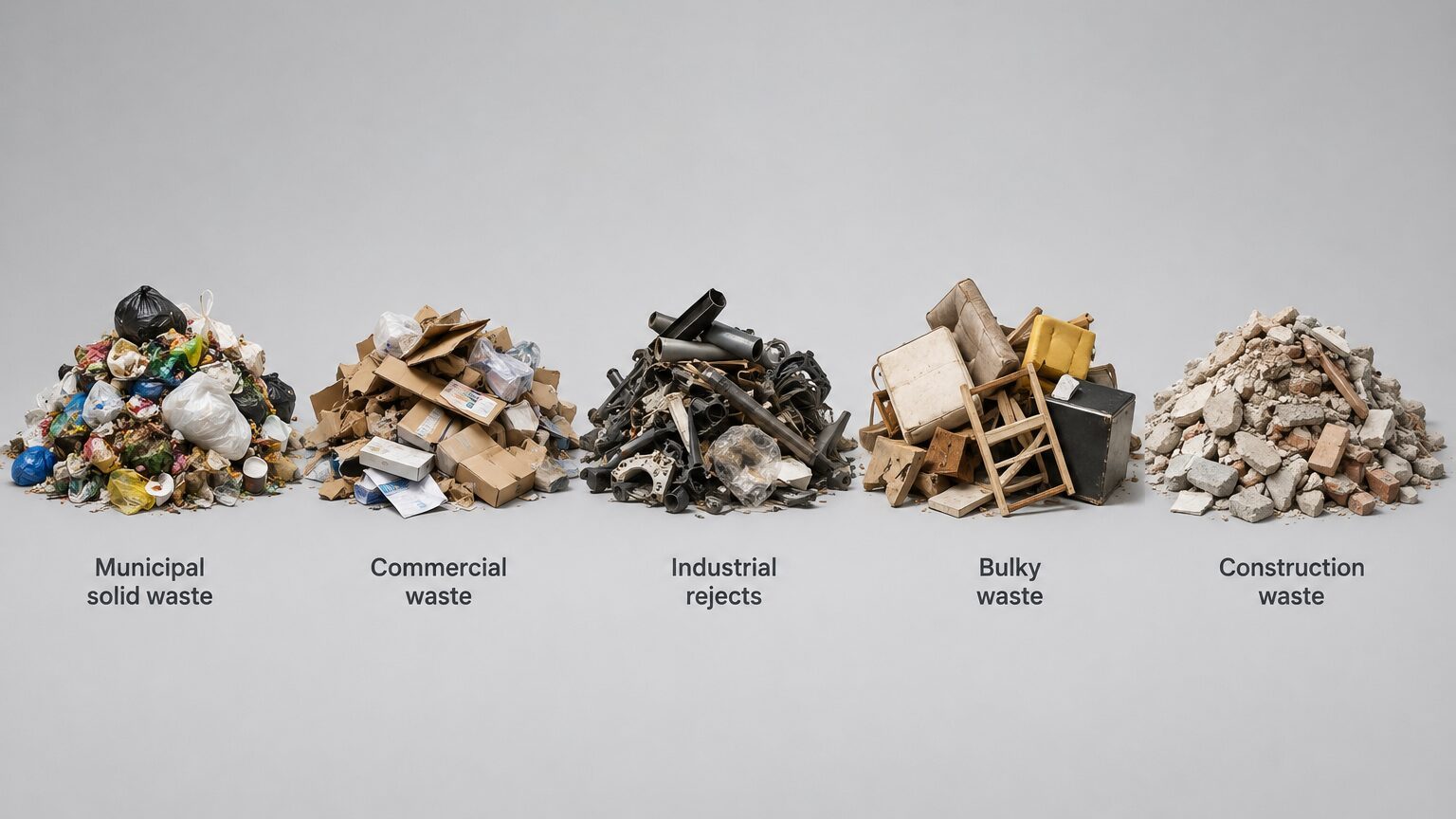
What Solid Waste Shredding Must Accomplish
Industrial shredding is an important preparation step. The shredder should open bags, reduce bulky materials, separate useful materials where possible, and create a suitable particle size for sorting, screening, conveying, densification, or thermal processing.
However, high hourly capacity alone does not guarantee good results. A machine may process large amounts of waste but still cause problems if it produces long strips, unshredded pieces, or too many fines.
The final application determines the required result. For example, RDF and SRF producers usually need a consistent combustible fraction after the plant manages metals, inert materials, and chlorine-containing plastics.
Recycling plants may shred waste before magnetic separation, eddy-current separation, air classification, or optical sorting. Meanwhile, landfill diversion projects may focus more on volume reduction and reliable handling of bulky waste than on a very precise final particle size.
For this reason, start with the output requirements before choosing the shredder. Define the target particle size, acceptable oversize percentage, required throughput, operating hours, and downstream equipment first. Then, select the rotor design, cutter type, and motor power.
Start With a Feedstock Audit
A proper feedstock audit can prevent expensive mistakes. Waste composition often changes with the season, collection route, supplier, or production shift.
For instance, commercial waste may contain more cardboard and film plastic than expected. Municipal waste can include wet organics, textiles, glass, and hidden metal. In contrast, industrial waste may contain drums, pallets, production scrap, or high-strength plastic parts.
Before selecting a machine, record the typical and maximum dimensions of the incoming material. You should also check bulk density, moisture, contamination, and the amount of material that the shredder cannot process.
In addition, identify dangerous or prohibited items such as gas cylinders, batteries, large steel sections, concrete blocks, and pressurized containers. No shredder can replace proper control of incoming waste.
Feed consistency matters just as much as material composition. A plant receiving loose waste from walking-floor trailers needs different feeding equipment from a facility handling bales, compacted rejects, or large industrial packages.
An apron conveyor, chain conveyor, hydraulic pusher, or loading hopper can provide more stable feeding. As a result, the system can reduce sudden rotor loads and maintain more consistent production.
Select the Right Shredder Configuration
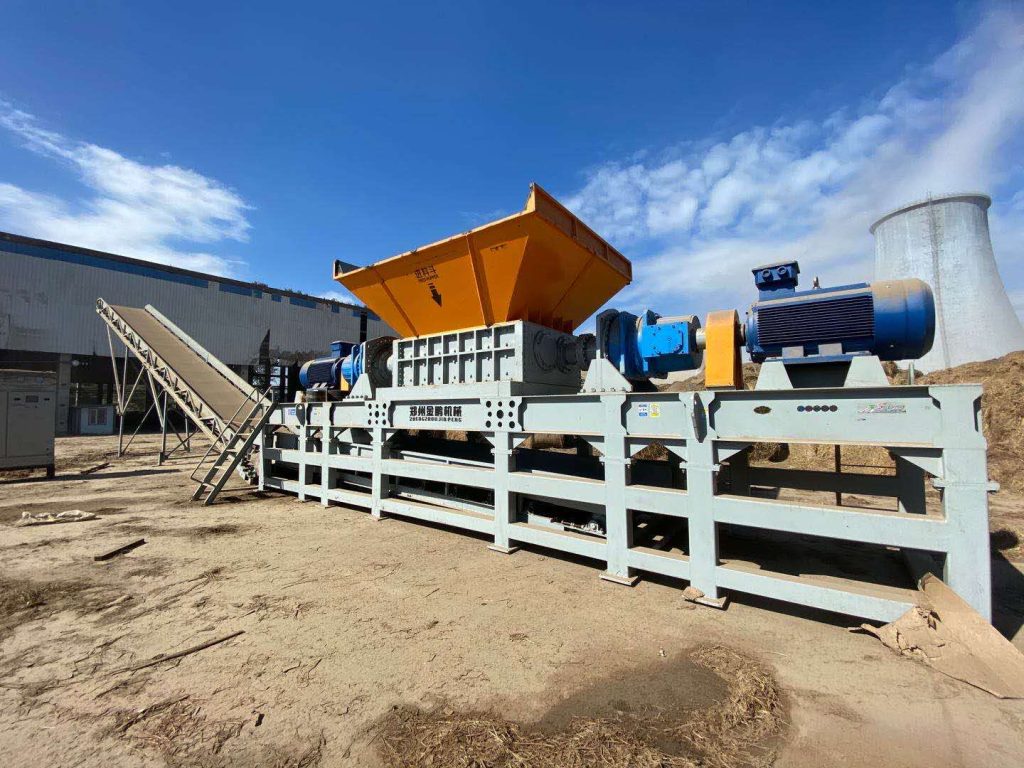
Dual-Shaft Shredders for Difficult, Mixed Waste
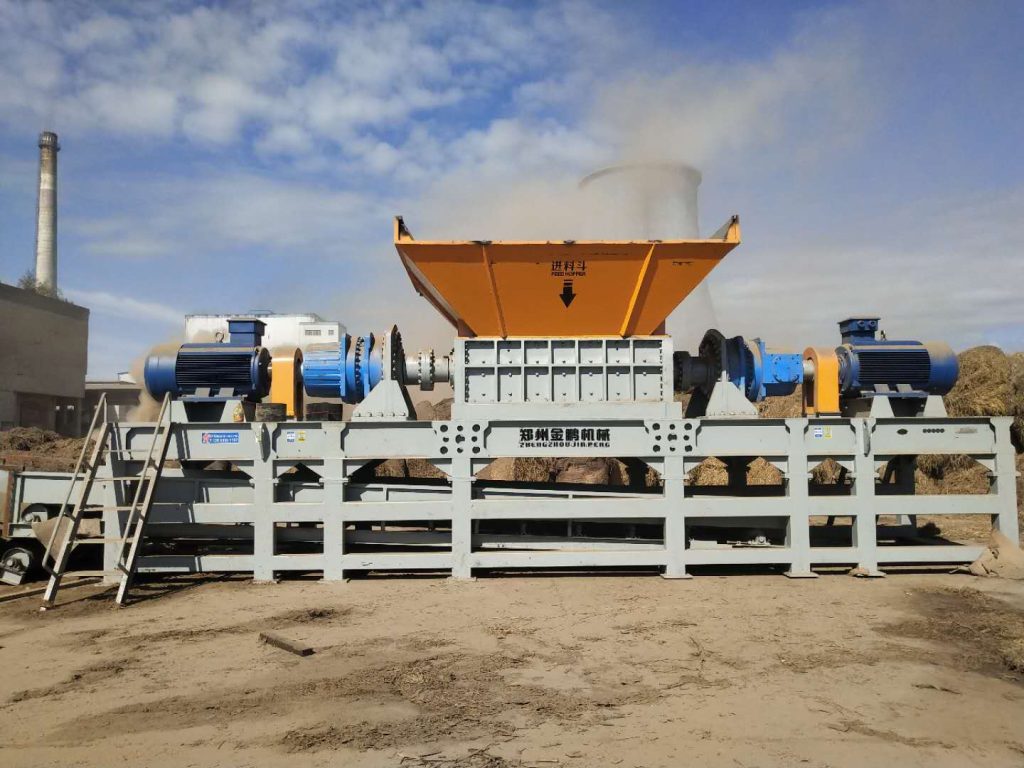
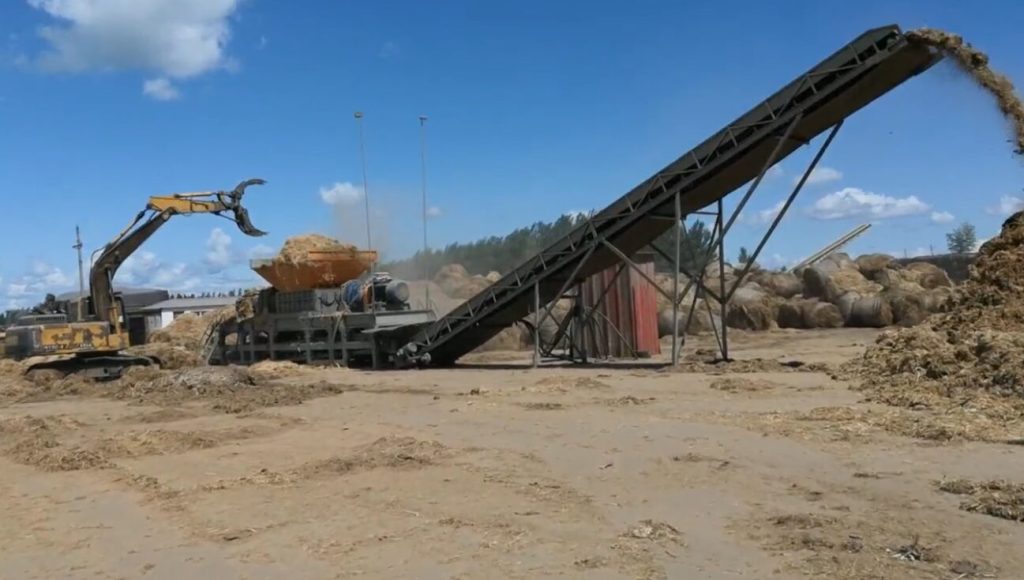
Dual-shaft shredders are widely used for primary shredding of mixed solid waste, bulky waste, commercial waste, and irregular materials.
Their slow-speed, high-torque cutting action pulls material into the cutting chamber. At the same time, the machine can handle large feed sizes without requiring very fine pre-shredding.
This design works especially well when the main goals are bag opening, volume reduction, and preparation for sorting.
However, output size control is more limited. A dual-shaft shredder usually produces a wider particle-size range than a screened single-shaft machine. For many primary shredding applications, this is not a major problem because a screen or secondary shredder can refine the material later.
Single-Shaft Shredders for Controlled Sizing
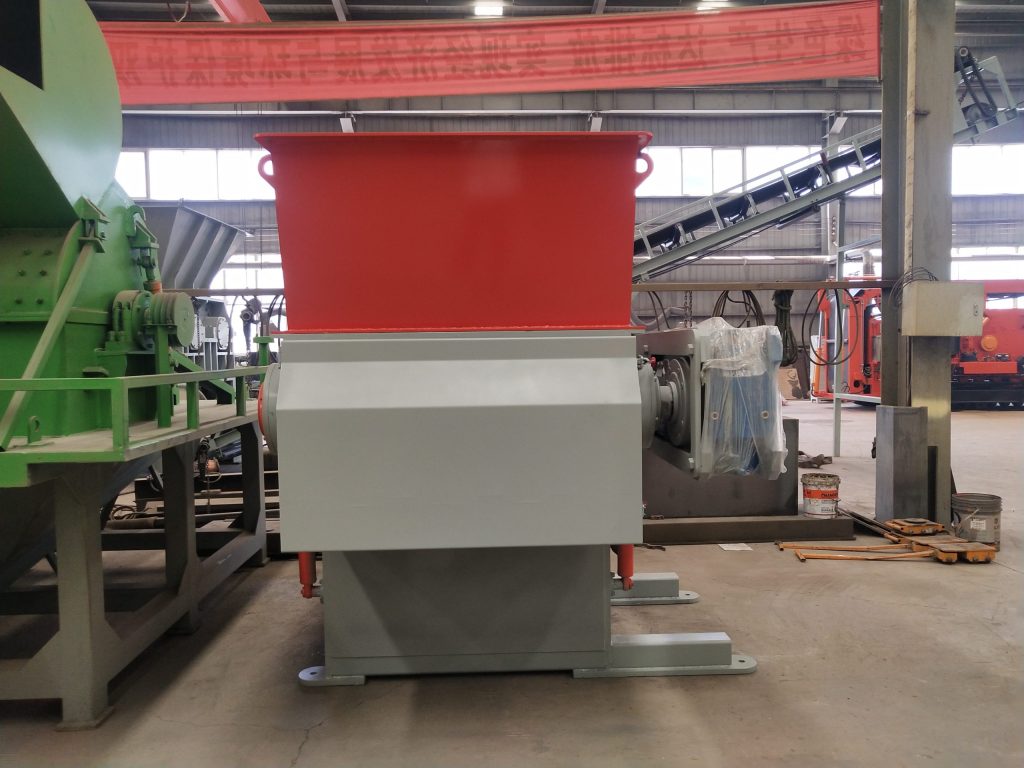
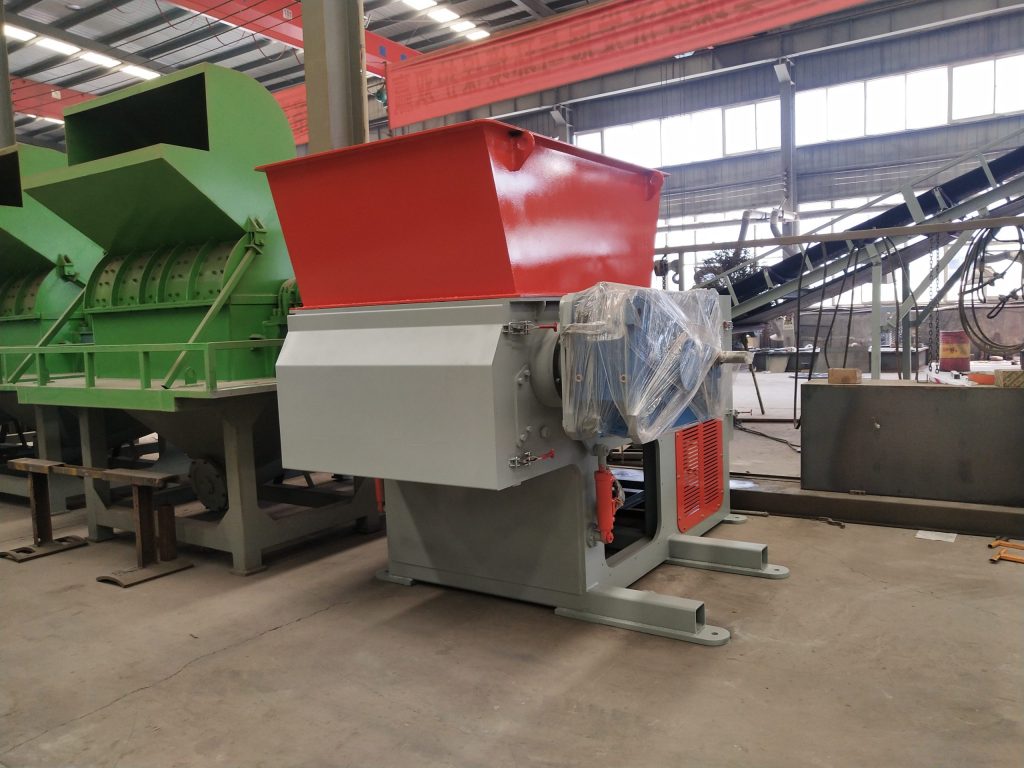
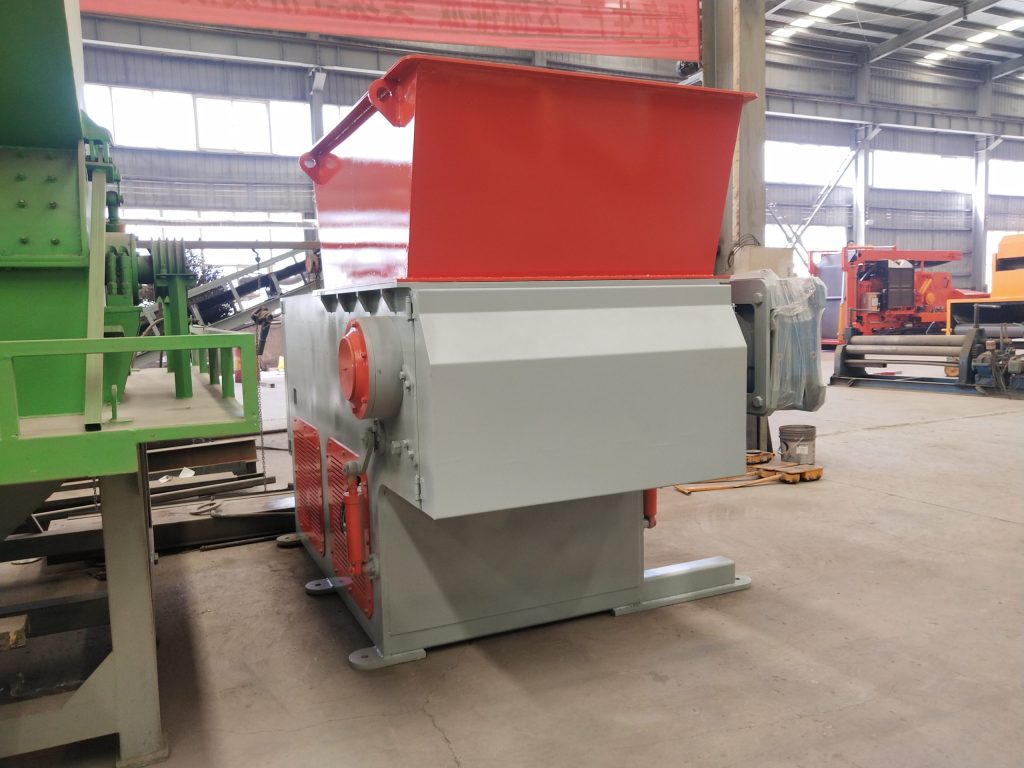
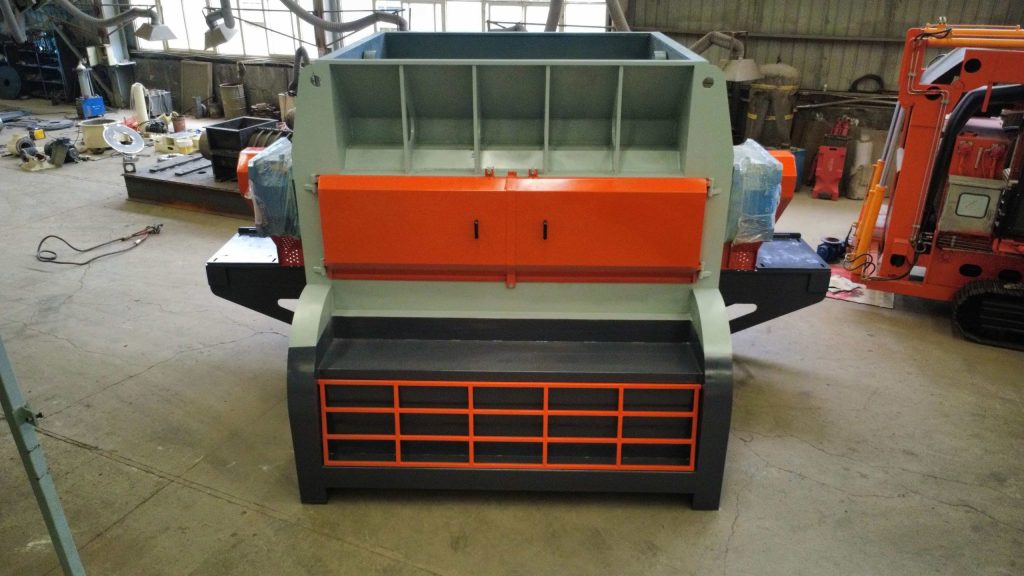
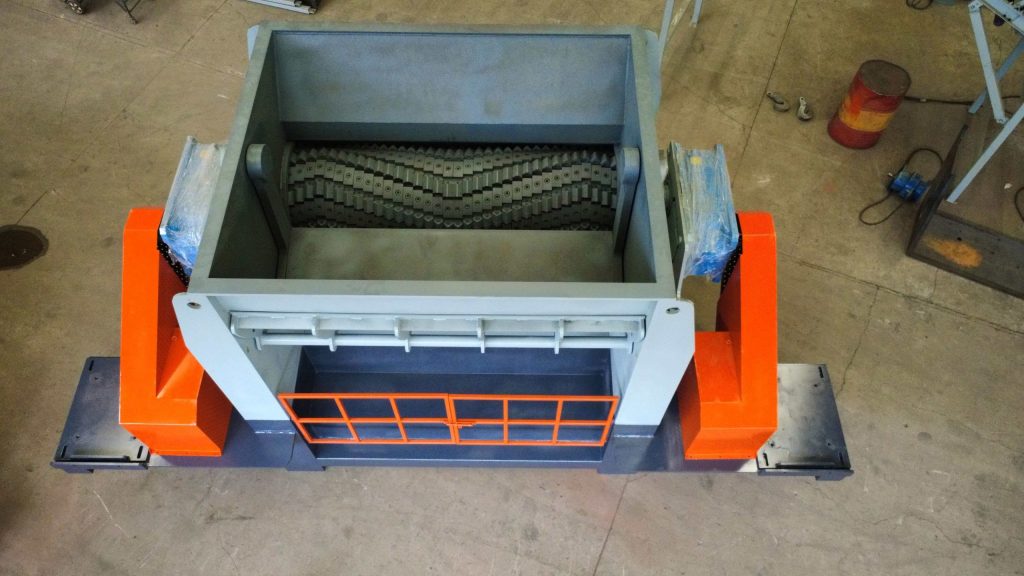
Single-shaft shredders use a rotor, counter knives, hydraulic ram, and screen to produce a more controlled discharge size.
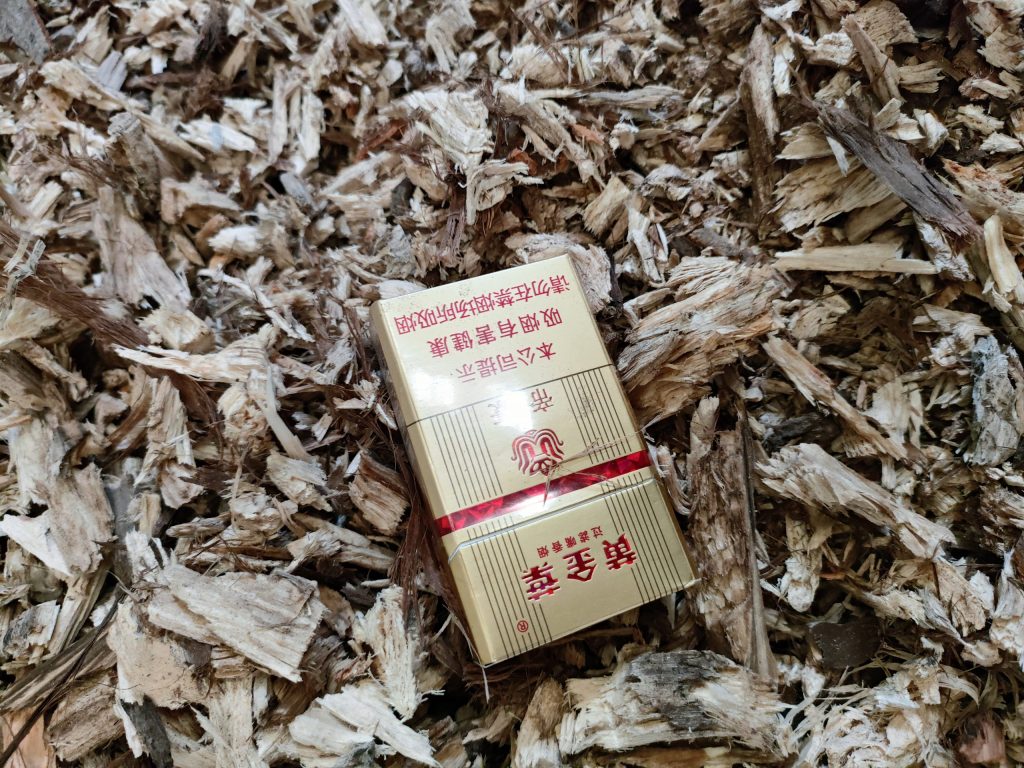
These machines work well with pre-processed waste, plastics, wood, paper, packaging waste, and RDF materials that need a more uniform output.
The screen provides better size control, but smaller openings can also increase recirculation inside the cutting chamber. Consequently, energy consumption may rise while hourly capacity falls.
For this reason, the smallest screen is not always the best choice. Instead, choose a screen opening that meets the downstream separation or fuel requirements without unnecessarily reducing production.
Two-Stage Shredding for RDF and SRF Lines
For mixed and changing waste streams, a two-stage shredding system often provides a more stable solution.
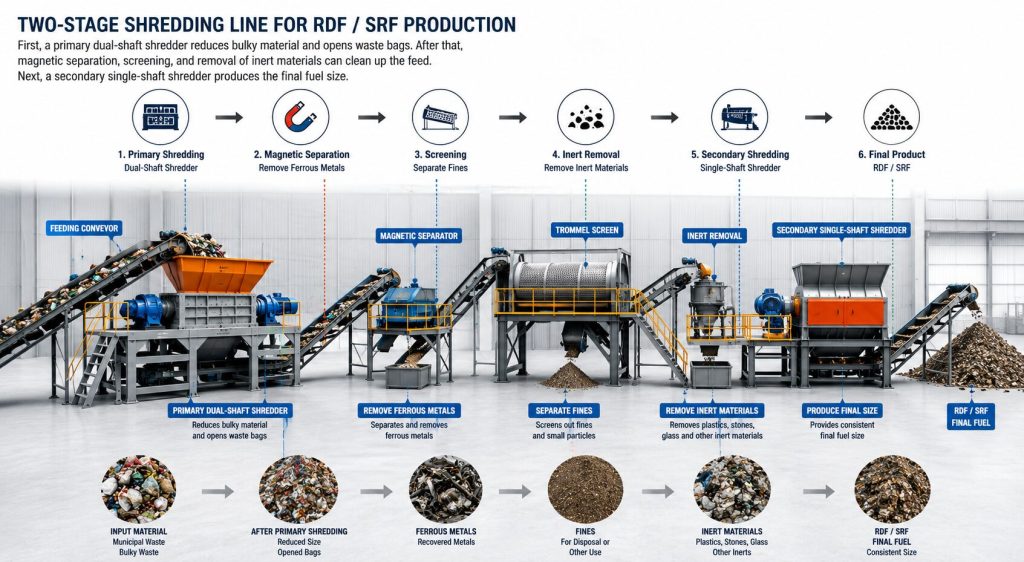
First, a primary dual-shaft shredder reduces bulky material and opens waste bags. After that, magnetic separation, screening, and removal of inert materials can clean up the feed.
Next, a secondary single-shaft shredder produces the final fuel size.
This layout also helps protect the finishing shredder from heavy impact. At the same time, it concentrates the toughest work on equipment designed for rough feed.
Although a two-stage system requires more investment, the additional cost can make sense when a plant needs stable RDF or SRF quality at high throughput.
Output Size Is a System Decision
Many buyers compare shredders mainly by their stated output size. However, the actual result depends on several factors, including material type, cutter design, screen opening, feed rate, and machine condition.
Flexible film and textiles may behave differently from rigid plastics or dry wood. Wet organic waste can wrap around cutters or stick to surfaces. Long fibers may also bridge across the screen when the rotor and knife design do not match the material.
Therefore, define the output as a practical particle-size range together with a clear oversize limit. Whenever possible, conduct a material test before making the final decision.
A useful trial should check more than particle size. It should also measure throughput, power consumption, metal release, fines generation, and the quality of material entering the next process.
Screening equipment plays an equally important role. Trommel screens can separate fines and organic material from larger combustible fractions. Meanwhile, flip-flow screens work well with difficult, wet, elastic, or sticky materials.
Proper screening reduces the workload of secondary shredders and helps create a more consistent final product.
Protect Uptime With Contamination Control
Solid waste shredders work under abrasive and unpredictable conditions. Therefore, protecting the machine from harmful contaminants is essential for stable operation.
A practical system may include manual pre-sorting, bag opening, magnetic separation, metal detection, and reject handling. The exact layout depends on the material, but one principle remains the same: remove damaging items as early as possible.
After primary shredding, ferrous metal becomes easier to expose and separate. For higher-value recycling or stricter fuel requirements, an eddy-current separator can also remove nonferrous metals such as aluminum.
Furthermore, heavy inert materials, glass, stones, and fines should be removed before secondary shredding whenever possible.
Modern industrial shredders also need overload protection. Hydraulic reverse functions, smart control systems, and suitable drive designs can help protect the machine.
Automatic reverse cycles can clear short-term jams. However, frequent reversing usually points to a deeper process problem. Oversized feed, poor pre-sorting, worn cutters, high moisture, or an undersized machine may all cause repeated jams.
Evaluate Capacity Beyond Nameplate Tonnage
A machine’s nameplate capacity only tells part of the story. Always ask what material the supplier used during testing, what output size the machine produced, whether it ran continuously, and how the test handled contaminants.
For example, a stated capacity for dry and uniform waste may not represent actual performance when the plant processes wet municipal waste containing textiles and metal.
Instead, evaluate capacity across the complete line. The feeding system, shredder, discharge conveyor, magnetic separator, screen, air separator, and secondary shredder must work together.
Suppose the shredder can process 30 tons per hour, but the screen can handle only 20 tons per hour. In that case, the whole plant still produces only 20 tons per hour.
Surge hoppers and buffer conveyors can handle short-term changes in feed rate. However, they cannot solve a permanent capacity mismatch.
Power consumption should also be reviewed together with throughput. High torque is important for difficult waste, but excessive energy use per ton may indicate poor cutter selection, restrictive screening, or weak feed preparation.
The best system is therefore not the one with the largest motor. It is the one that delivers the required output consistently while keeping operating costs under control.
Plan Maintenance Into the Process
Knife and cutter wear is unavoidable, especially when the machine handles mixed waste. However, proper design and maintenance can slow down wear and prevent it from becoming a major production problem.
Choose cutters and counter knives according to the expected material abrasiveness, impact load, and target particle size.
At the same time, create a regular maintenance plan covering cutter inspection, cutter rotation, replacement, hydraulic checks, lubrication, and screen cleaning.
Easy access to the cutting chamber can also reduce maintenance downtime. For export projects in particular, keep spare cutter sets, screens, bearings, and key hydraulic components available.
Otherwise, long replacement lead times can cause unnecessary production losses.
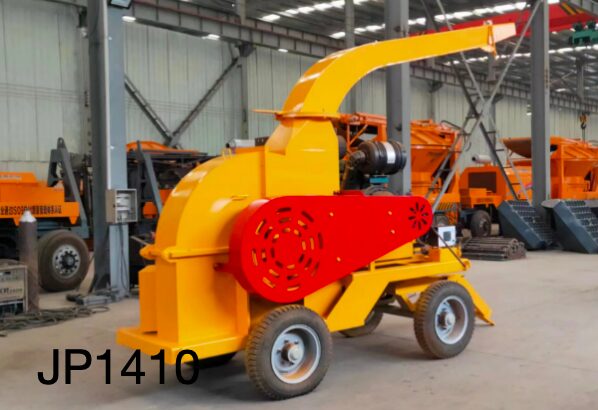
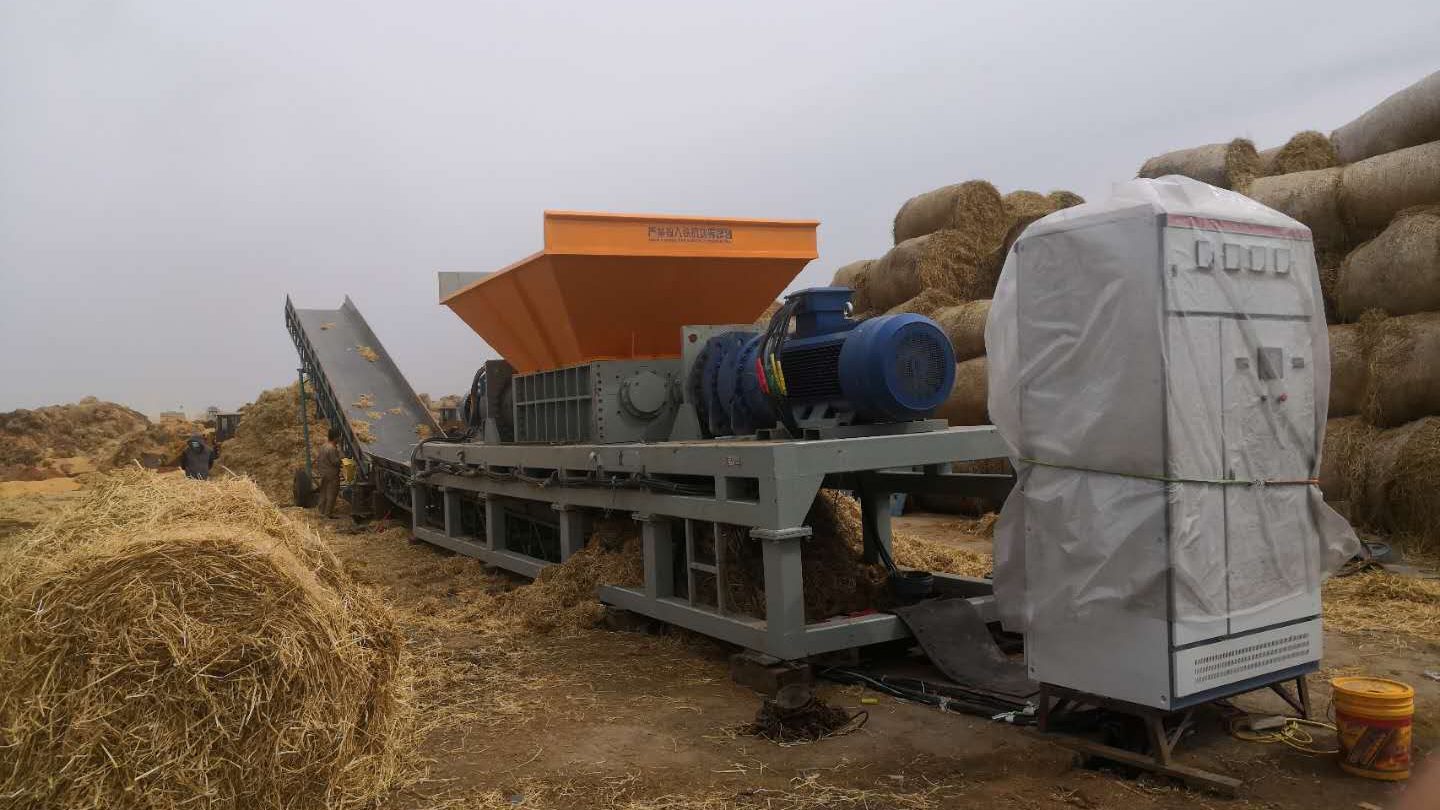
Zhengzhou Jinpeng Machinery Equipment Co., Ltd. provides standalone shredders and integrated processing lines for applications that require mixed solid waste to become a more consistent feedstock for sorting, recycling, or RDF production.
The company can configure the system according to feed composition, required capacity, target output size, and downstream separation equipment.
Build for Real Operating Conditions
A successful shredding project should reflect the waste your plant actually receives, rather than the clean material described in an early specification.
Before finalizing the process flow, check the peak feed rate, contamination risk, moisture range, staffing plan, maintenance capability, and final product requirements.
Once these factors are clear, the shredder becomes more than a machine for reducing waste volume. Instead, it becomes the first controlled step in a complete processing line.
As a result, the plant can recover more useful material, produce cleaner fuel fractions, and keep expensive downstream equipment working more reliably.
Most importantly, start with a material trial and a complete line capacity review. Then choose the shredder configuration that can maintain stable performance even when the incoming waste reaches its most difficult condition.