Product Introduction
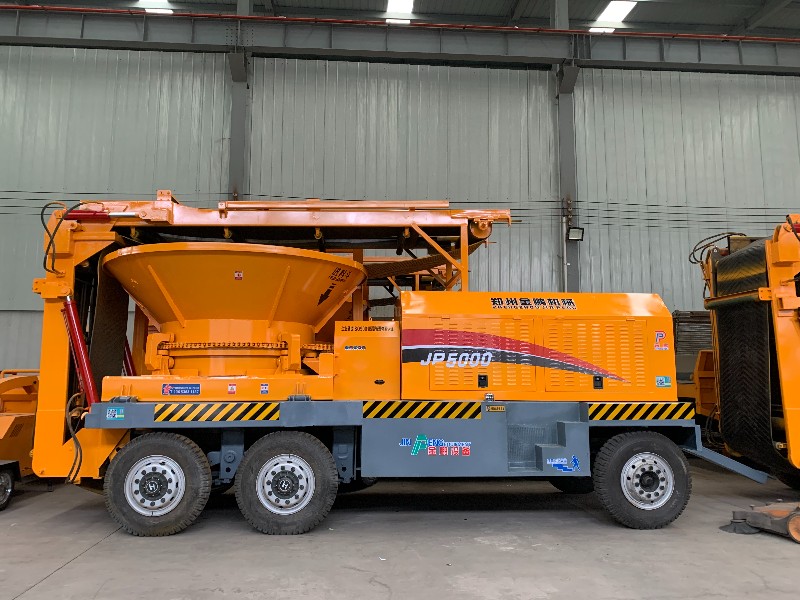
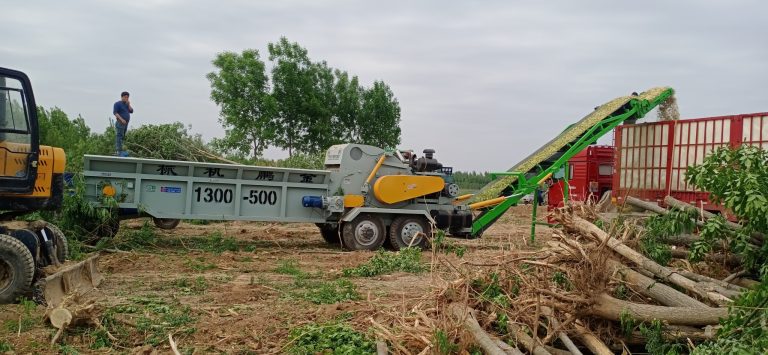
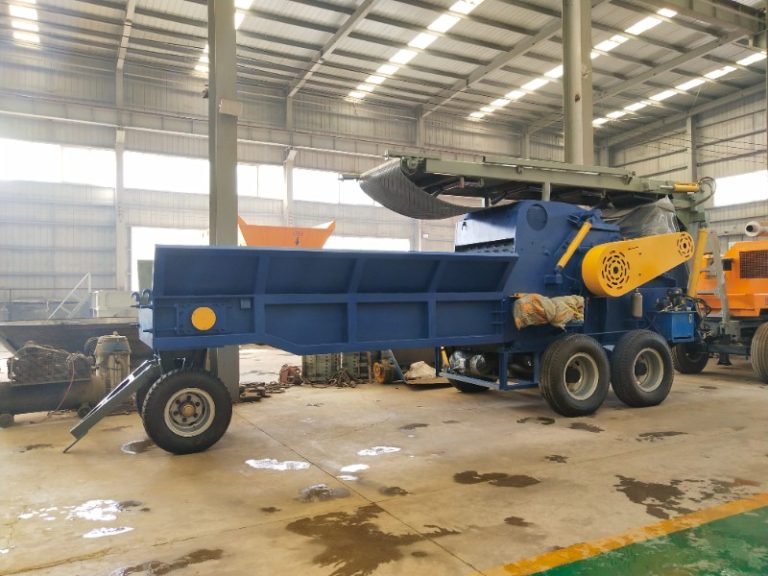
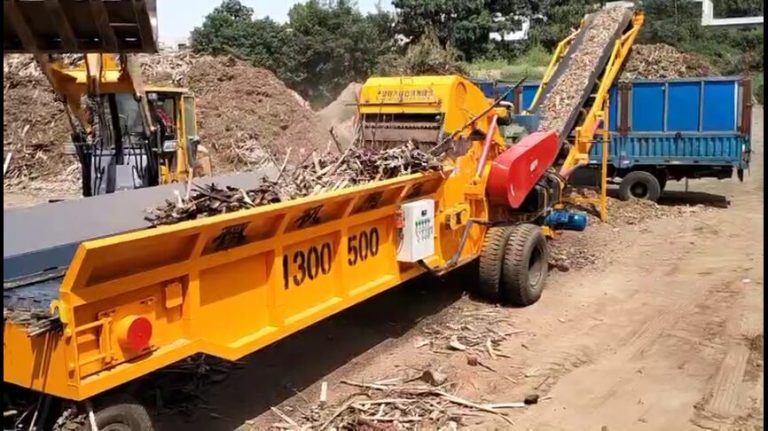
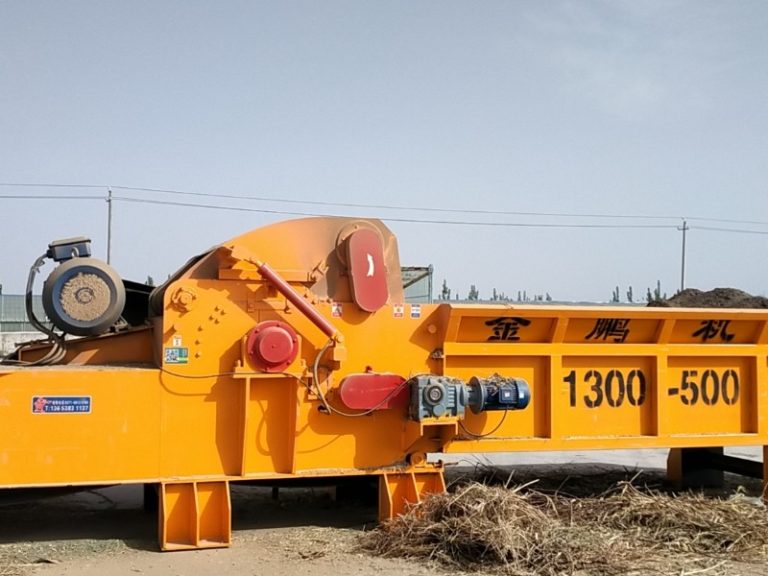
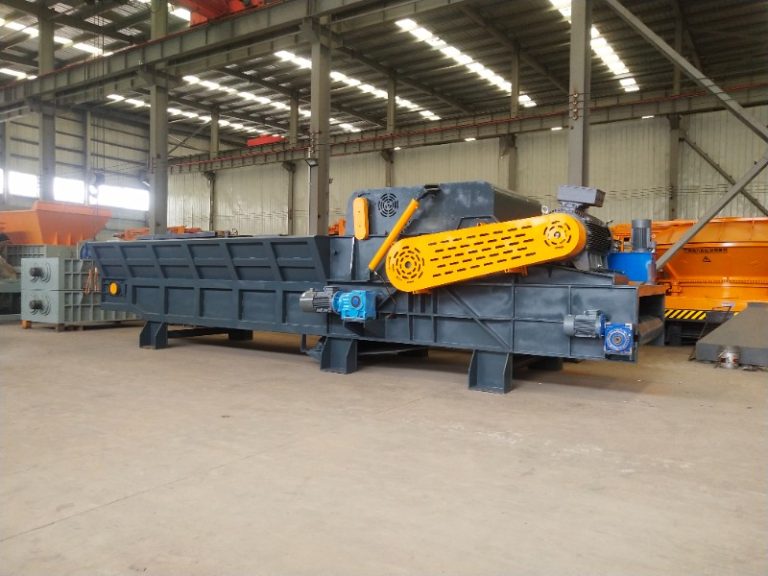
High Capacity 15T/H Heavy Duty Mobile Wheeled Wood Crusher JP1300-500 Forestry Log Chipper 340HP Diesel Engine for Biomass Processing;
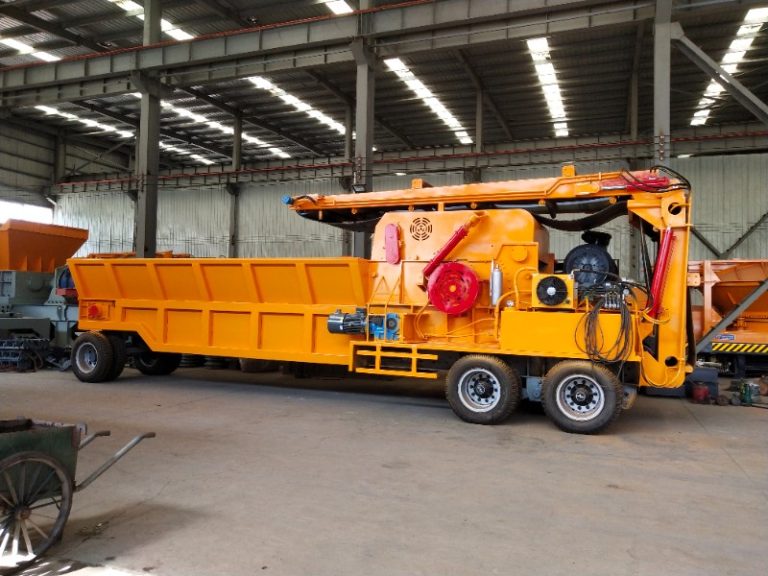
The JP1300-500 is a professional-grade heavy-duty mobile wood crusher designed for large-scale forestry and biomass production. Powered by a robust 340HP diesel engine, it features a 1300*500mm oversized inlet and a 12-meter hydraulic folding conveyor. With a production capacity of 12-15 tons per hour, it is the ultimate solution for processing logs and forestry waste in remote field operations.
Key Features
Equipped with a high-torque engine to effortlessly crush large-diameter logs, ensuring stable performance in remote field operations.
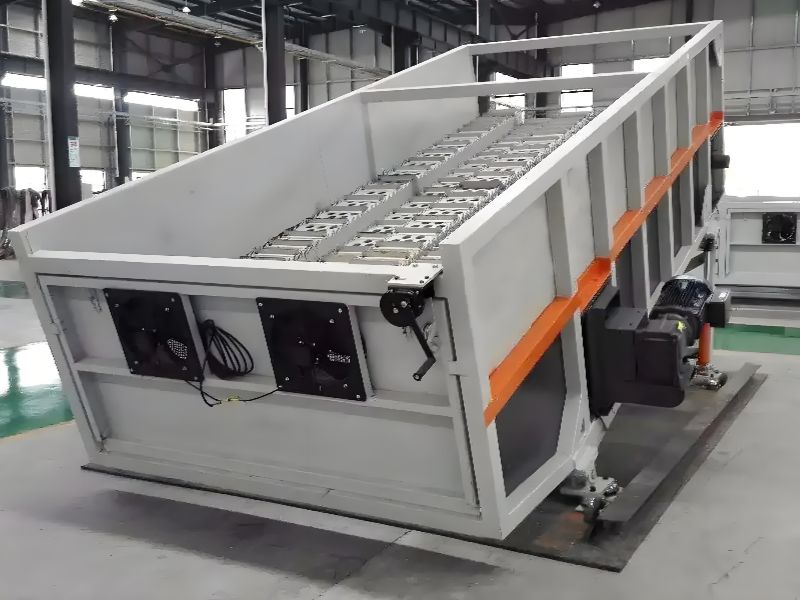
The heavy-duty 4-meter chain plate ensures steady, clog-free feeding for irregular forestry waste, maximizing your hourly throughput.
Reach higher stock piles or load directly into trucks. Folds hydraulically in minutes for rapid relocation between sites.
A single operator can manage feeding and discharging from a safe distance, significantly reducing labor costs and site risks.
Crusher Series – Model Comparison
| Type | Model | Capacity (t/h) | Inlet Size (mm) | Rotor Dia. (mm) | Power | Output Size (mm) | Dimensions (mm) |
| Regular | JP1300-500 | 12–15 | 1300×500 | 850 | 132–160 kW | 90%≤100 | 9000×2600×2600 |
| JP1400-600 | 15–20 | 1400×600 | 900 | 160–180 kW | 90%≤100 | 9000×2800×2600 | |
| JP1400-800 | 20–30 | 1400×800 | 1200 | 250–280 kW | 90%≤100 | 10000×2800×3200 | |
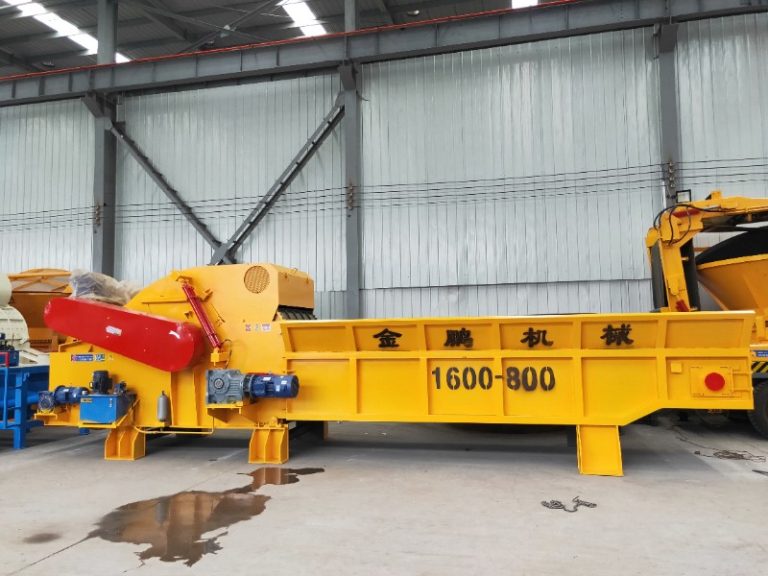
| JP1600-800 | 25–40 | 1600×800 | 1200 | 315–400 kW | 90%≤100 | 10000×3000×3200 | |
| Mobile (Wheel) | JP1300-500 | 12–15 | 1300×500 | 850 | 340 HP | 90%≤100 | 9000×2500×2800 |
| JP1400-600 | 15–20 | 1400×600 | 900 | 420 HP | 90%≤100 | 9000×2600×2900 | |
| JP1400-800 | 20–25 | 1400×800 | 1200 | 480 HP | 90%≤100 | 10000×2800×3200 | |
| JP1600-800 | 25–35 | 1600×800 | 1200 | 550 HP | 90%≤100 | 10000×2800×3200 | |
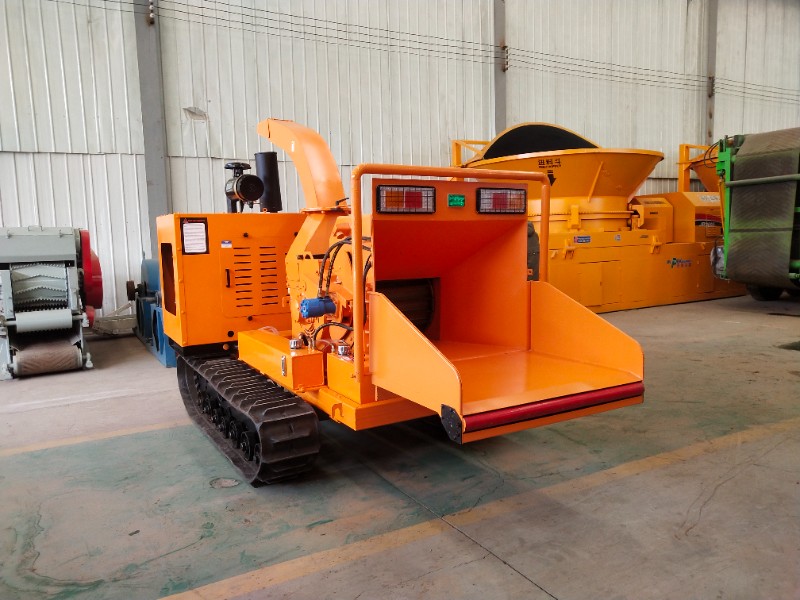
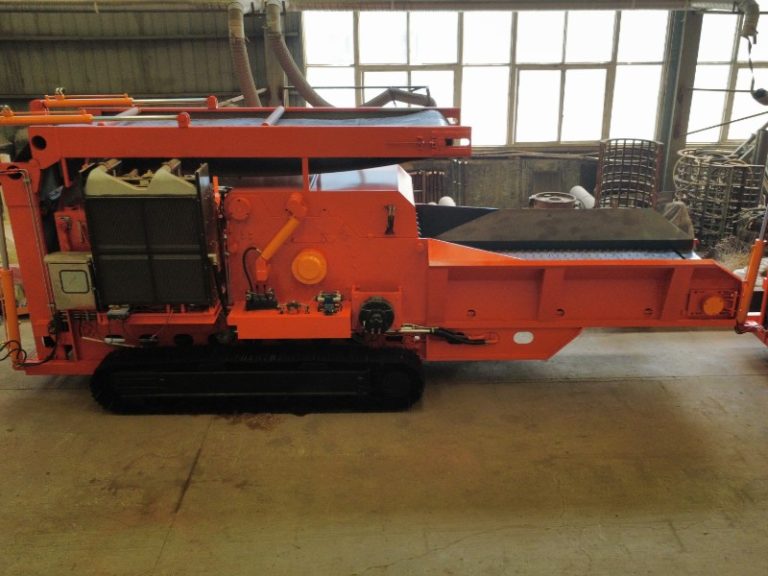
| Track-Mounted | 1400-600 | 20–25 | 1400×600 | 900 | 460 HP | 90%≤100 | 8000×2500×2900 |
| 1600-800 | 30–40 | 1600×800 | 1050 | 550 HP | 90%≤100 | 8500×2800×3500 | |
| Extra Large | JP1800-1200 | 40–60 | 1800×800 | 1200 | 400–450 kW | 99%≤150 80%≤100mm | 10×2.8×2.85 m |
| JP2000-1400 | 70–80 | 2000×1000 | 1400 | 450–600 kW | 99%≤150 80%≤100mm | 12×3×3.2 m |
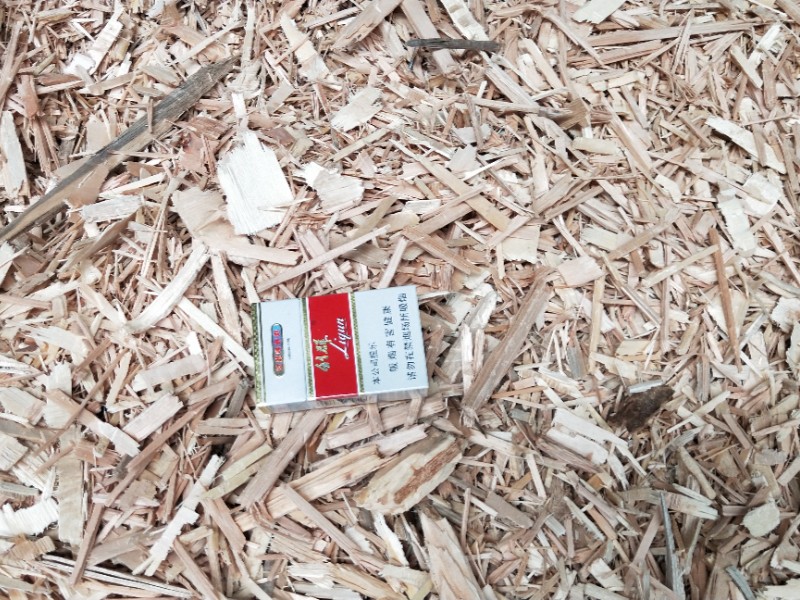
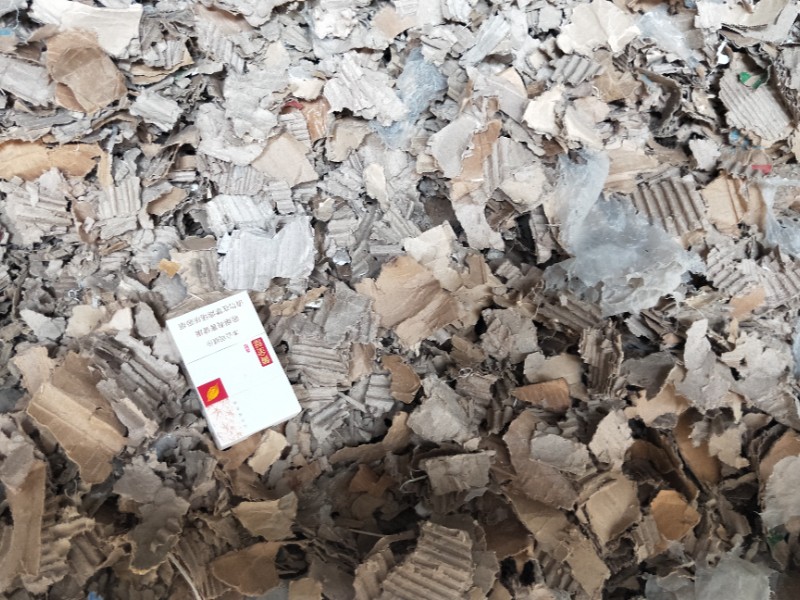
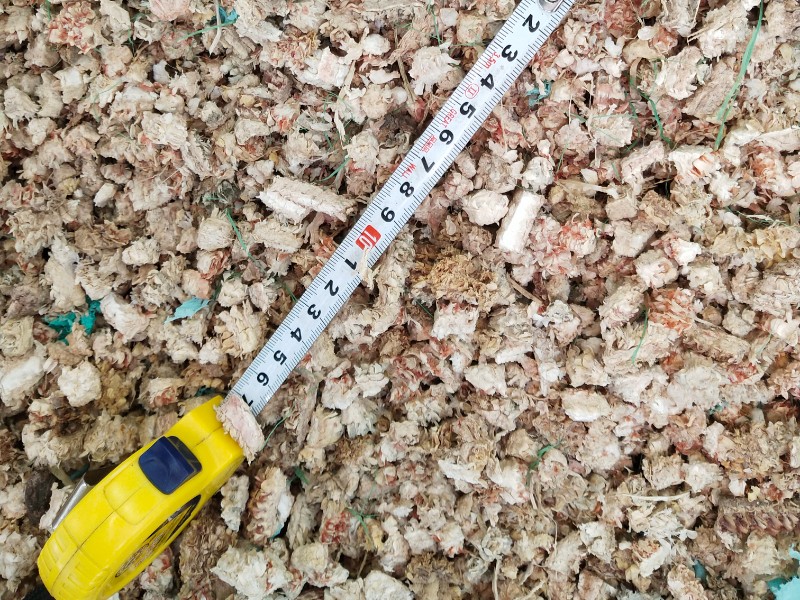
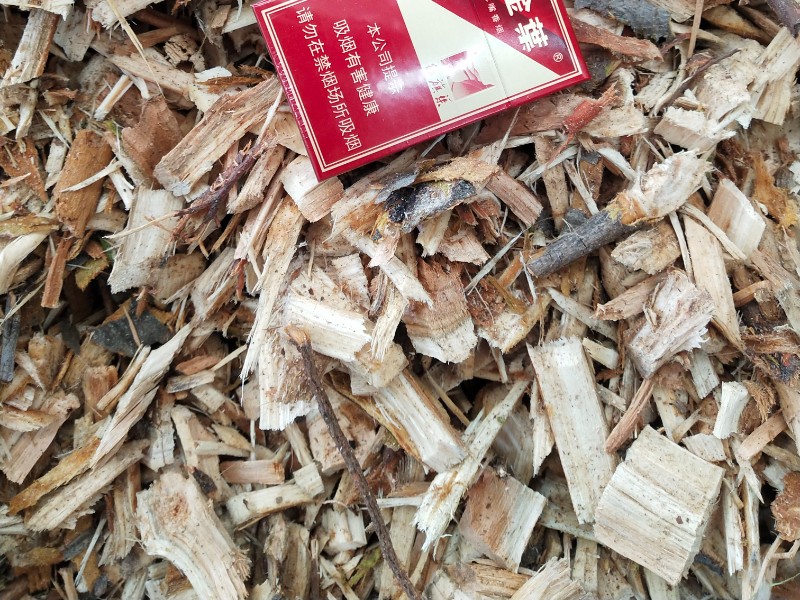
Crusher Output size 100mm Performance
FAQ
Q1: What is the maximum log diameter the JP1300-500 can handle, and what is the actual output?
A:The JP1300-500 features an extra-wide inlet of 1300*500 mm, specifically designed for large logs, bulky branches, and forestry waste. Powered by a robust 340 HP diesel engine, it delivers a stable capacity of 12-15 tons per hour. The 4-meter heavy-duty chain plate conveyor ensures smooth feeding even for irregular materials, preventing clogs and maximizing throughput.
Q2:How does the machine handle transport and setup at remote forestry sites?
A: Mobility and rapid deployment are key. The machine is equipped with 6 high-load tires (1000-20), allowing it to be towed easily across rugged terrain. A major highlight is the 12-meter hydraulic folding discharge conveyor. It can be folded for compact transport (within a 9000mm length) and unfolded hydraulically on-site, reaching high pile heights or loading directly into trucks without extra equipment.
Q3: Is it possible to adjust the output particle size for different biomass requirements?
A: Yes. The output size is highly controllable. With a rotor diameter of 850mm and an adjustable hydraulic feeding speed (0—20 m/min), you can fine-tune the material flow. Currently, 90% of the output is < 100mm, which is ideal for biomass power plants and pulp mills. We offer configurations with 16 or 18 knives/hammers to meet your specific particle size standards.
Q4: Can one person operate this machine safely?
A: Absolutely. The JP1300-500 is designed for labor-saving efficiency. It comes standard with a 24V industrial remote control system with a range of up to 80 meters. Operators can control feeding, crushing, and discharging from a safe distance or even from the cabin of a loader, significantly enhancing safety and reducing the need for on-ground personnel.
Q5: What are the main wear parts, and is maintenance difficult?
A:We use high-wear-resistant alloy steel for our blades (15018520mm) and hammers (70*80mm) to extend service life. The machine is engineered with an integrated hydraulic system for easy access to the rotor and internal components. Daily maintenance points are centralized and clearly marked, ensuring that your team can perform routine checks and blade replacements quickly, minimizing downtime in the field.
Q5: How about Warranty? 1 year
Q6: How about lead time? 20-30days
Q7: How about Incoterm, Payment term? EXW, FOB, CIF, CNF…DP, L/C, TT,
Q8: Can i have tailored color? yes.
How to choose? Stationary, Wheel tire mobile? Crawler?
This is a critical decision for ended clients because it affects their upfront investment, operating costs, and job site flexibility.
Here is the professional guide to help you advise your clients on choosing between Stationary, Wheeled (Trailer), and Tracked models.
1. Quick Comparison Table
| Feature | Stationary (Fixed) | Wheeled (Trailer) | Tracked (Crawler) |
|---|---|---|---|
| Mobility | None (Bolted down) | High (Towed by truck) | Self-Propelled (Remote) |
| Primary Power | Electric Motor (Usually) | Diesel Engine | Diesel Engine |
| Best Terrain | Concrete / Factory floor | Paved roads / Flat ground | Mud / Forest / Steep hills |
| Investment Cost | Lowest | Medium | Highest |
| Operating Cost | Low (Cheap electricity) | Medium (Diesel + Tires) | High (Diesel + Tracks) |
2. When to Choose: Stationary (Fixed)
The “Factory” Choice
Recommend this if the client has a stable, long-term processing facility.
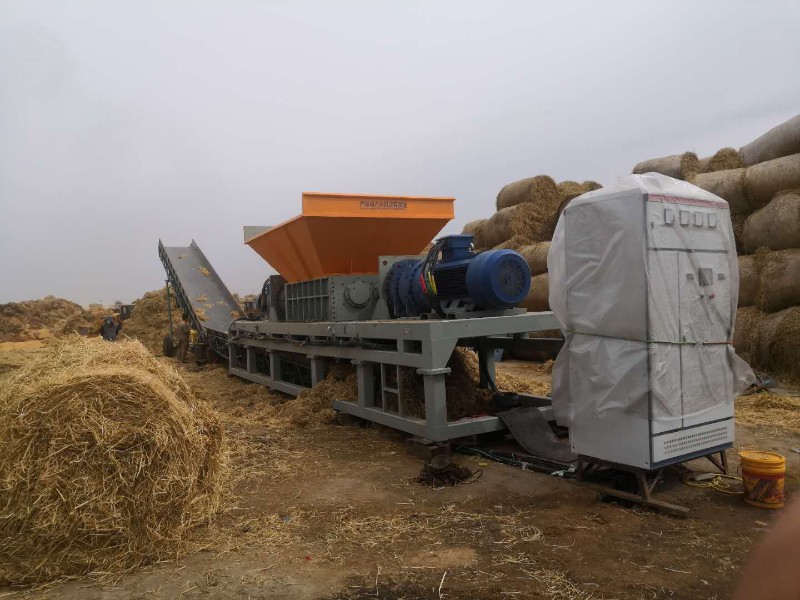
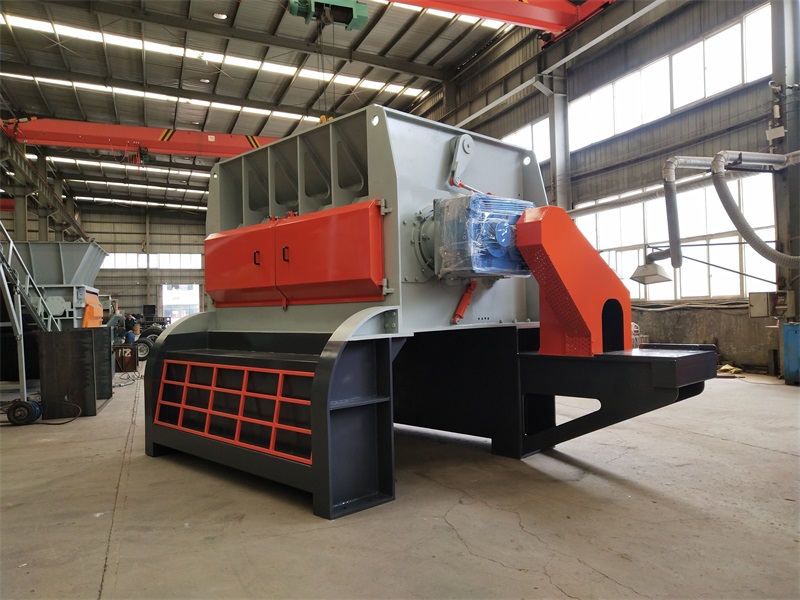
- Scenario: The logs are brought to the machine. The machine never moves.
- Infrastructure: The client has a stable power grid (e.g., 380V/415V/440V).
- Advantages:
- Lowest maintenance: Electric motors are much simpler than diesel engines.
- Lowest running cost: In most countries, electricity is significantly cheaper than diesel.
- Better ROI: Lower initial cost means faster payback.
- Ideal Client: Sawmills, paper pulp factories, or biomass pellet plants.
3. When to Choose: Wheeled (Trailer-Mounted)
The “City & Roadside” Choice
Recommend this if the client needs to move between different sites frequently via public roads.
- Scenario: The client is a service provider who works at Site A on Monday and Site B (50km away) on Tuesday.
- Terrain: Hard-packed soil, asphalt, or concrete.
- Advantages:
- High-speed transit: Can be towed by a heavy truck at 60-80 km/h. No special trailers are needed.
- Cost-Effective Mobility: Much cheaper than the tracked version but still mobile.
- Ideal Client: Municipalities, landscape companies, or contractors doing roadside clearing.
4. When to Choose: Tracked (Crawler)
The “Off-Road & Forestry” Choice
Recommend this if the machine needs to go into the woods where there are no roads.
- Scenario: The machine needs to move to the logs (which are scattered in the forest or on a muddy hill).
- Terrain: Deep mud, snow, steep slopes, or soft forest floor.
- Advantages:
- All-Terrain Capability: Will not get stuck in mud where wheels would fail.
- Independent Movement: Remote-controlled; it can “walk” itself on and off a trailer and move around the job site without a tow truck.
- Extreme Stability: The wide tracks provide a solid base for heavy-duty crushing on uneven ground.
- Ideal Client: Large-scale land clearing projects, primary forestry harvesting, or government disaster recovery (clearing storm debris).
Not Sure: 3 Questions to Ask Your Client???
- “Will the machine stay in one factory, or move between job sites? Stay → Stationary. Move → Ask the next question.
- “What is the typical ground condition: paved roads or soft forest mud?”
- Roads/Flat ground → Wheeled.
- Mud/Hills/Forest → Tracked.
- “Do you have a stable and sufficient high-voltage power supply on-site?”
- Yes → Suggest Stationary (Electric) to save them money.
- No → Must be Diesel Mobile (Wheeled or Tracked).