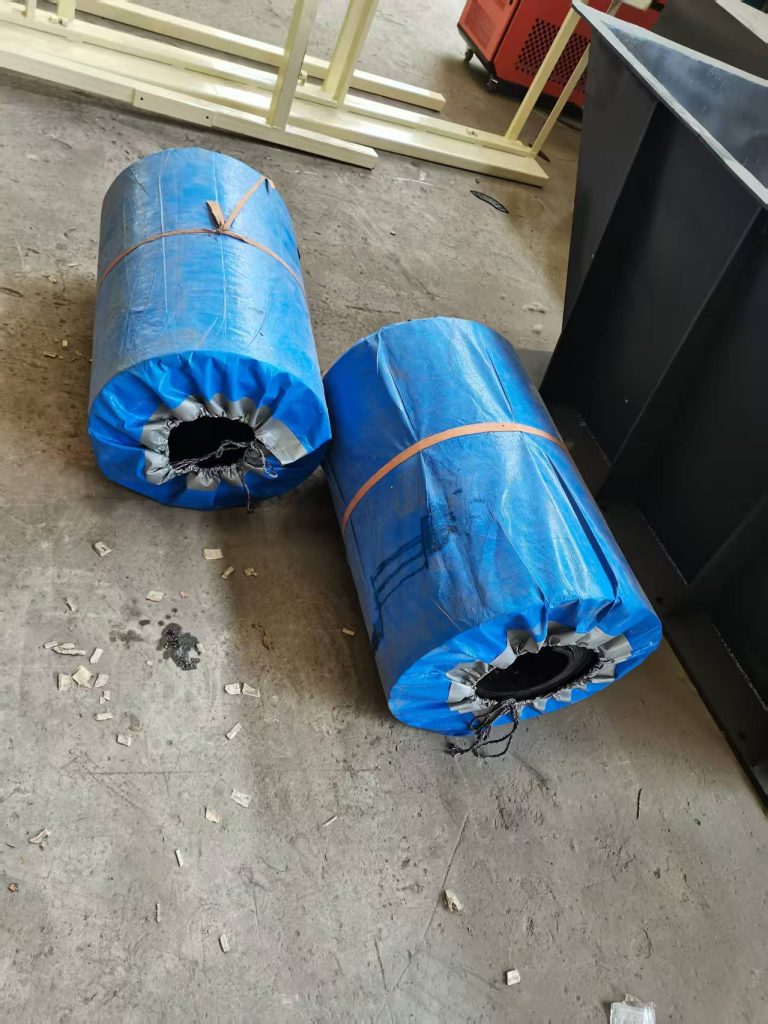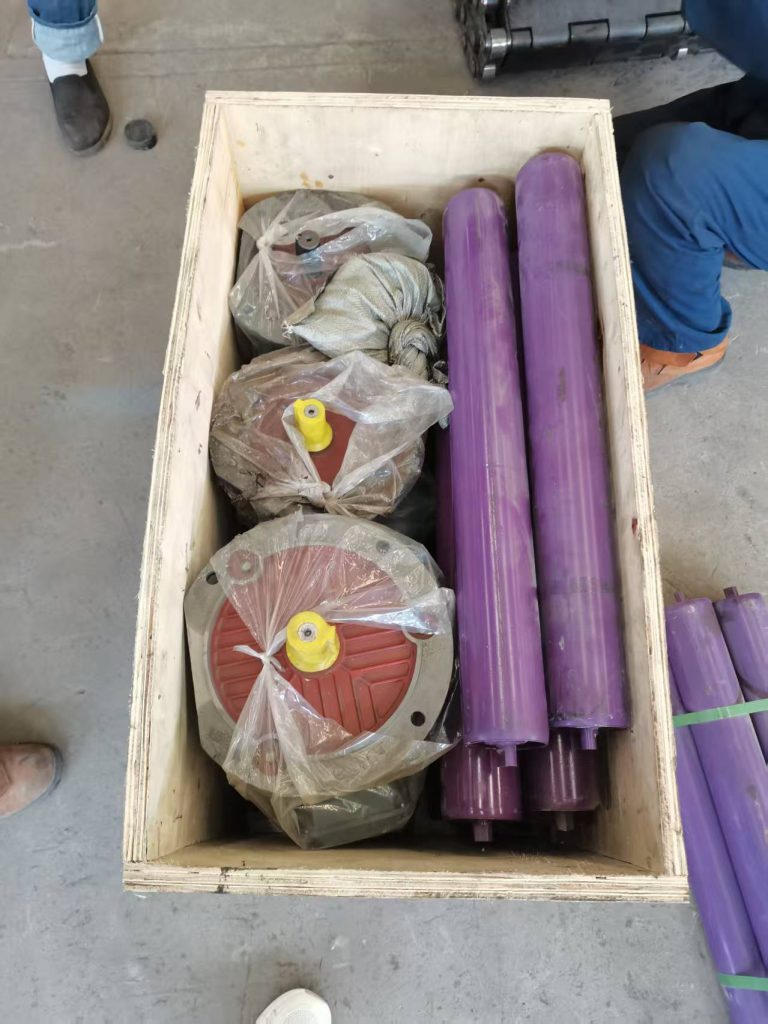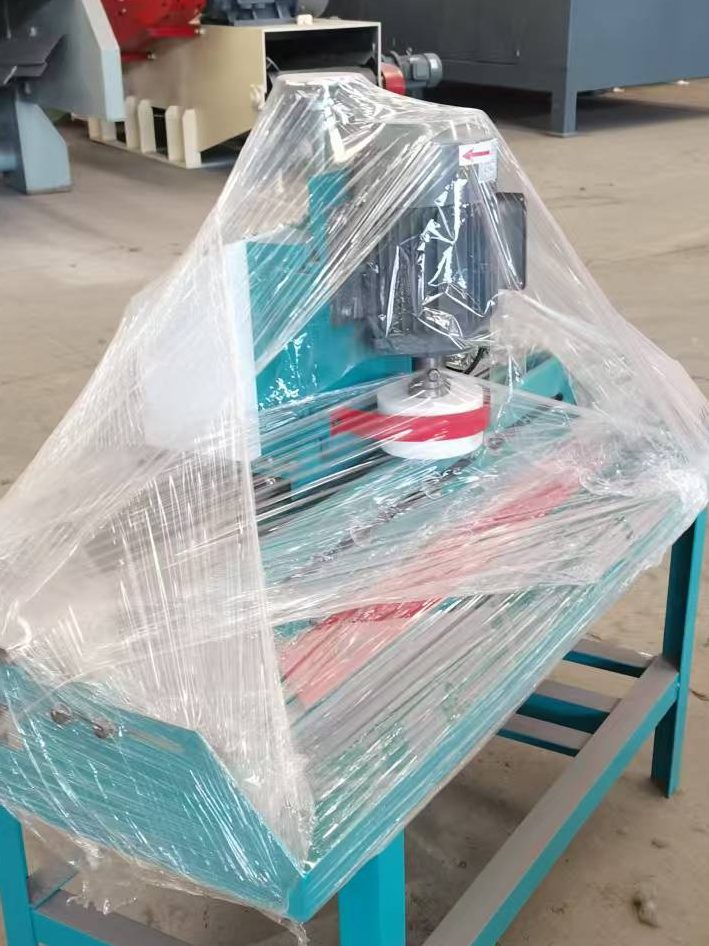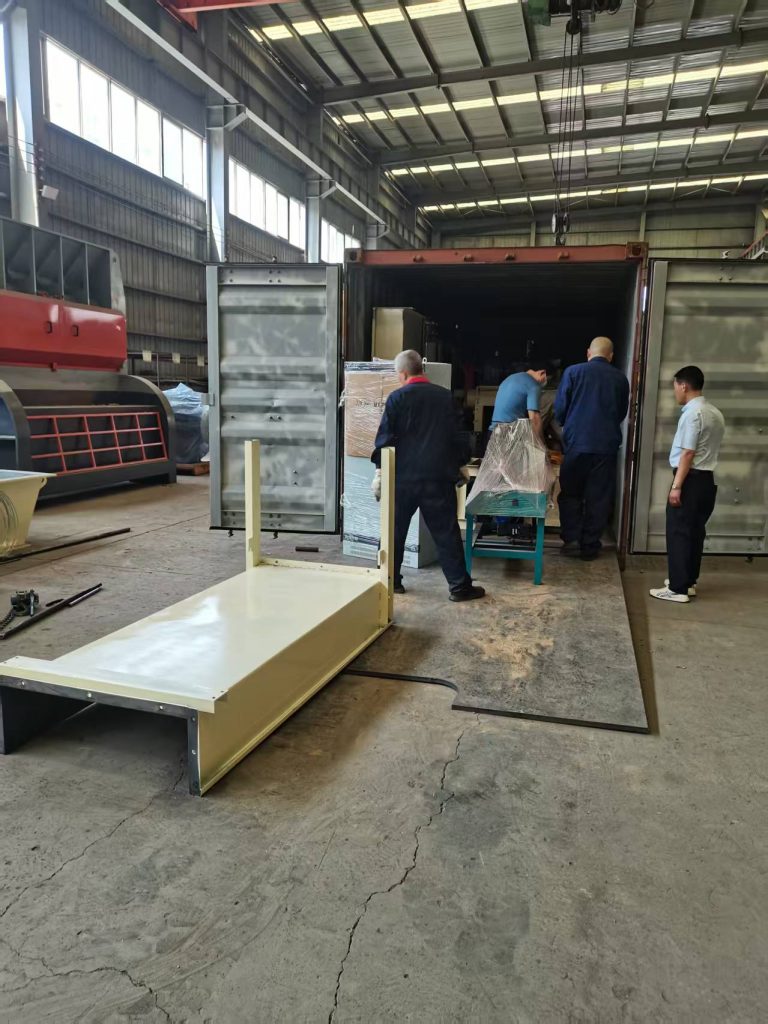
Product Introduction
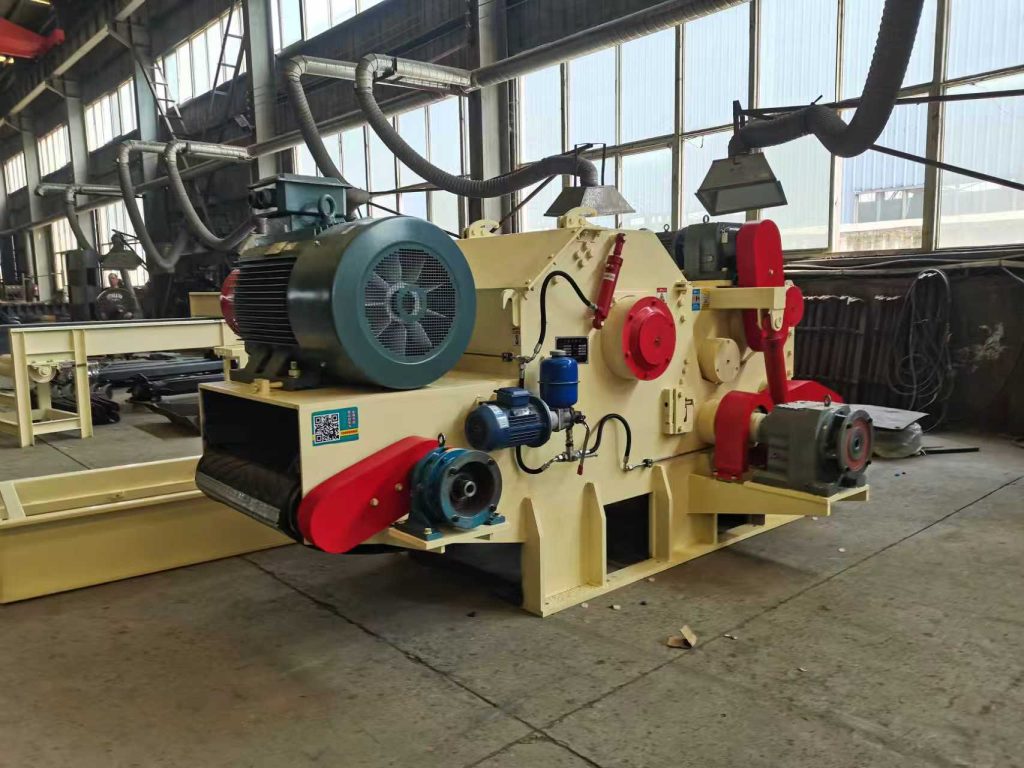
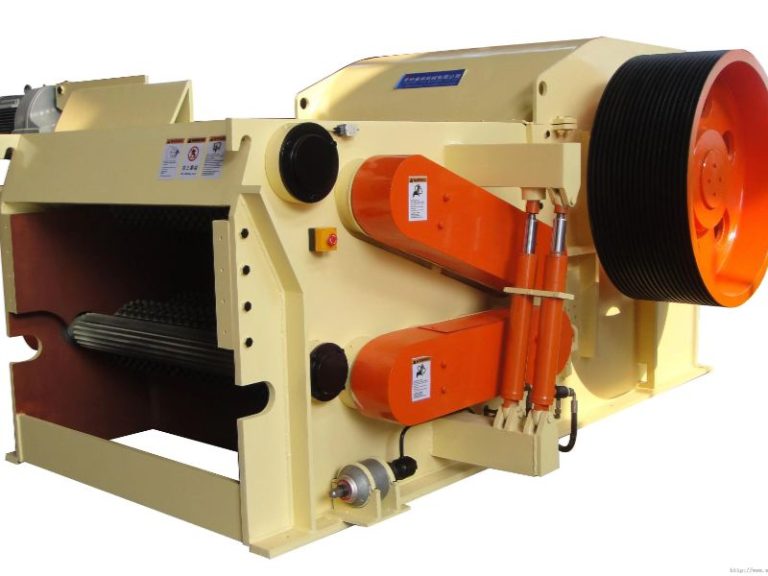
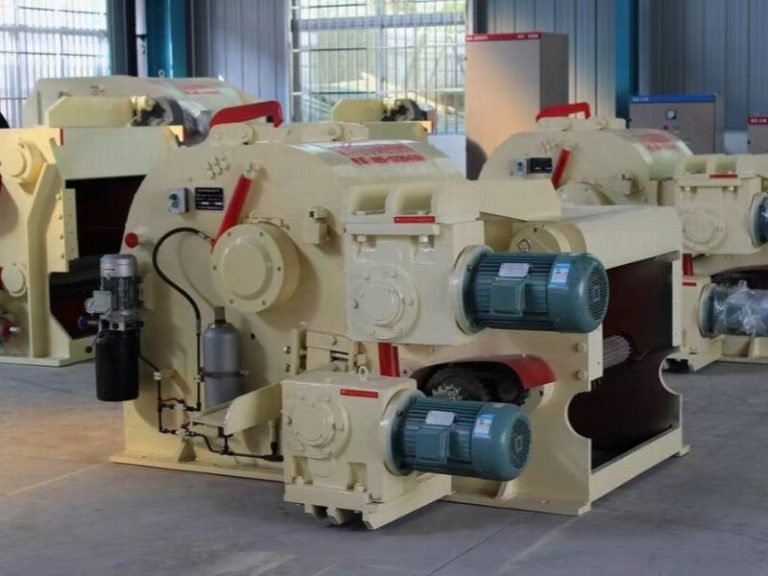
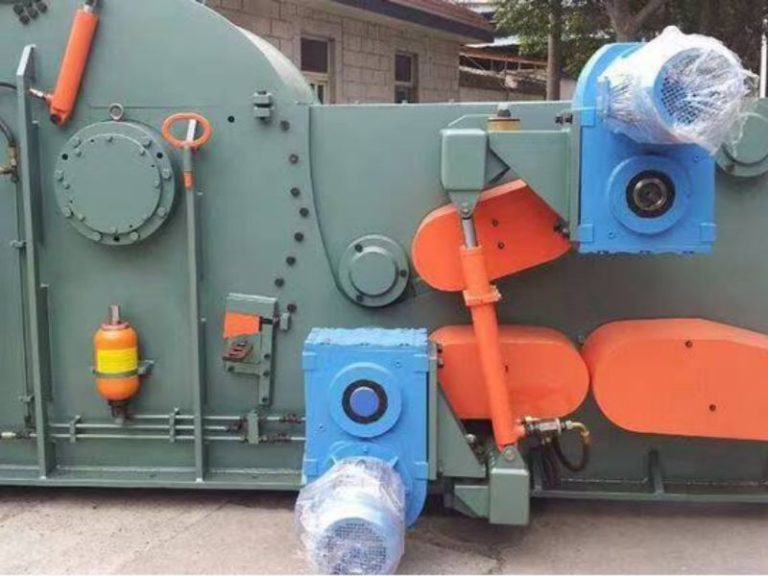
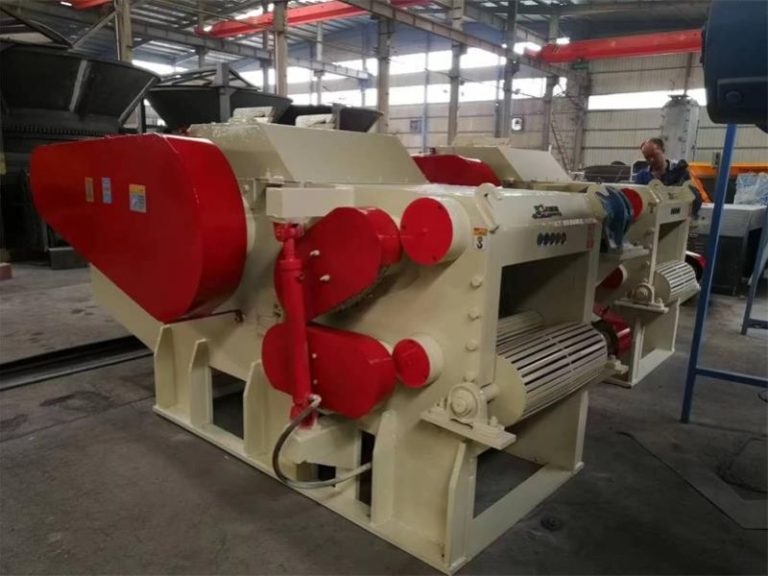
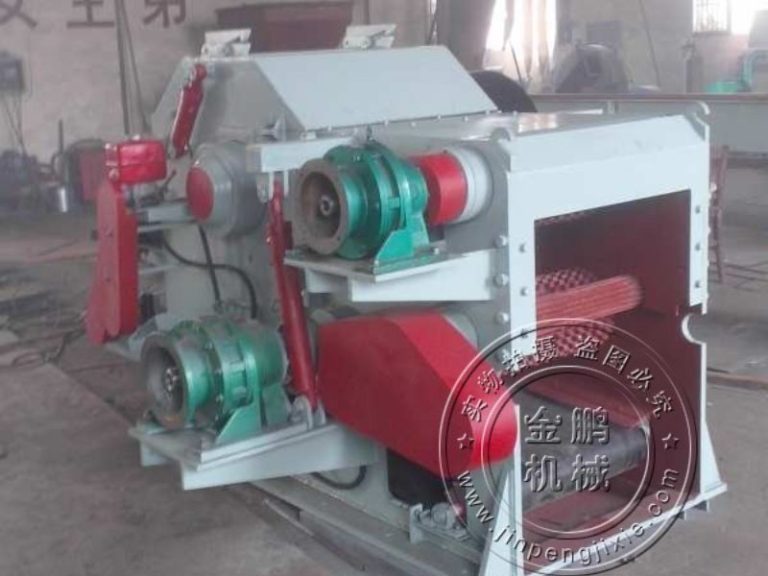
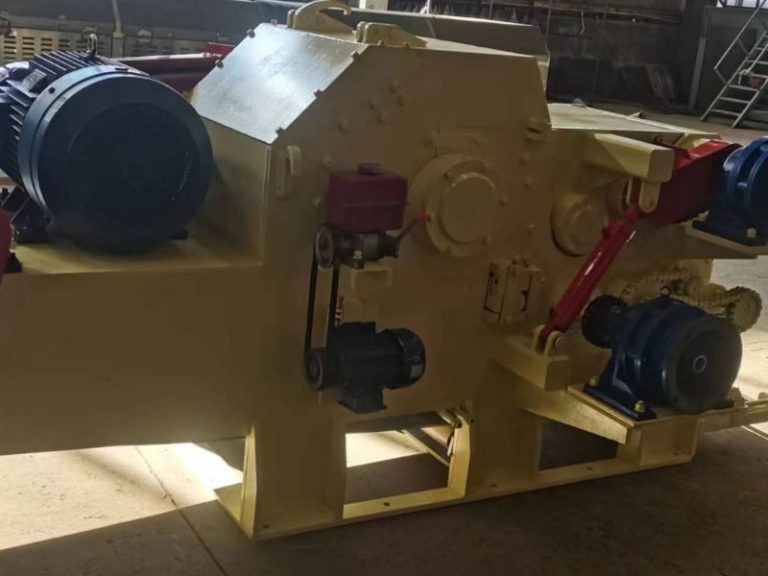
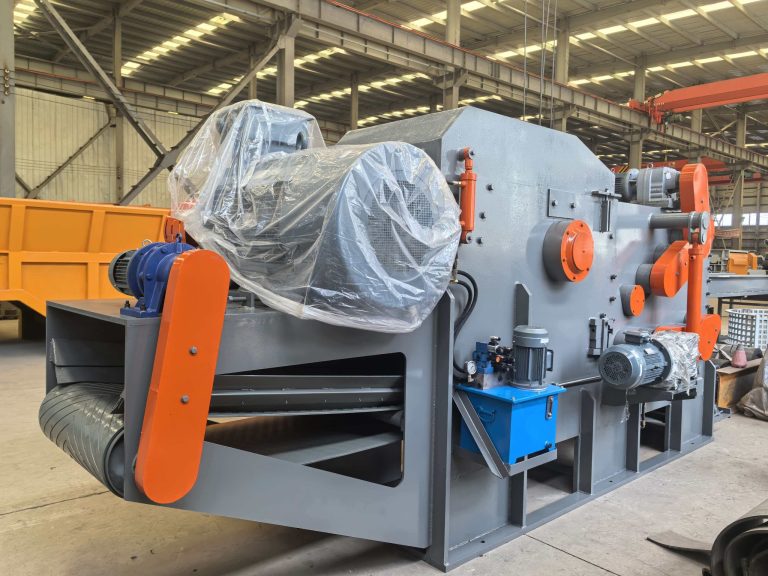
The drum chipper series consists of specialized equipment designed for the production of wood chips. Widely utilized in the preparatory stages of production, this wood chipper is the preferred choice for particleboard plants, medium- and high-density fiberboard plants, straw processing facilities, biomass power plants, and dedicated wood chip manufacturing sites.
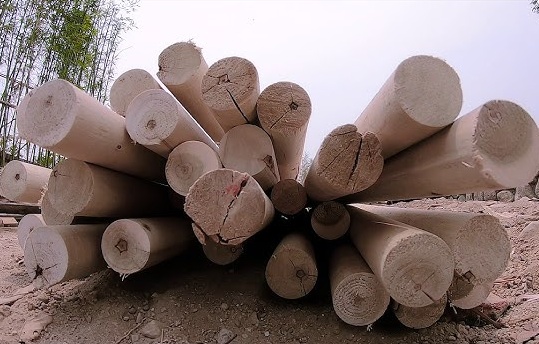
Meanwhile, the product features an advanced structural design, produces high-quality wood chips, accommodates a wide variety of raw materials, and offers ease of operation and maintenance. The primary raw materials processed include small-diameter timber, as well as logging and processing residues (such as branches, twigs, bark strips, slats, log cores, and waste veneer). Additionally, the equipment is capable of processing non-wood raw materials, such as sugarcane, reeds, and moso bamboo. output size around Length2-5cm, Thickness 2-15mm.
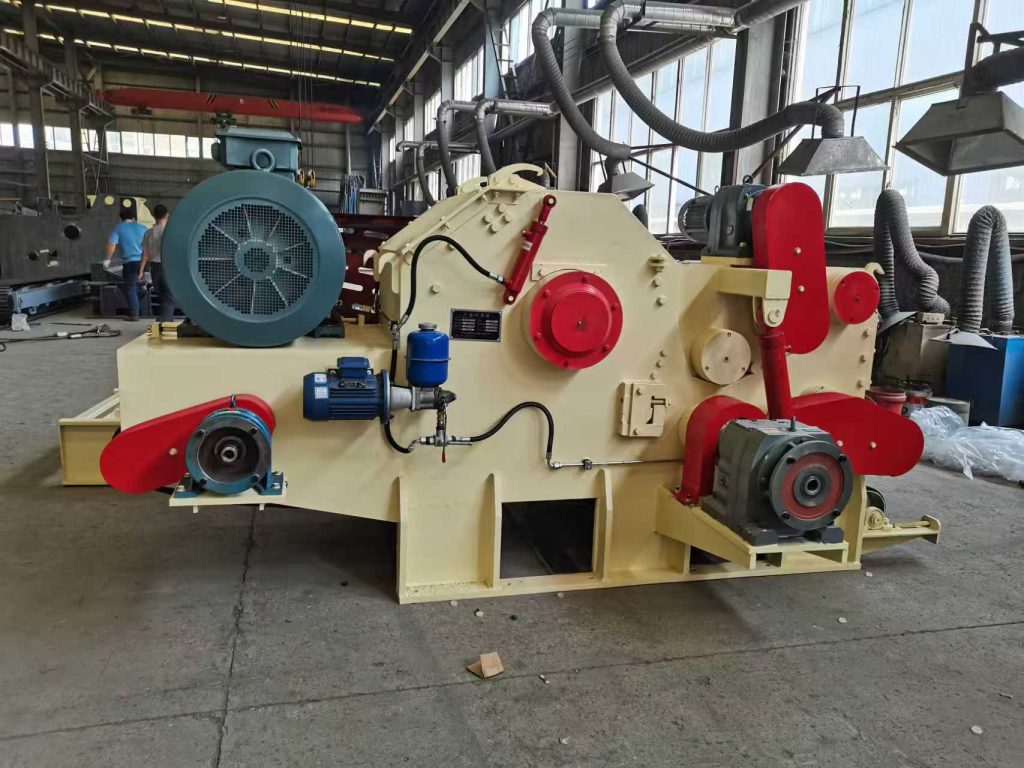
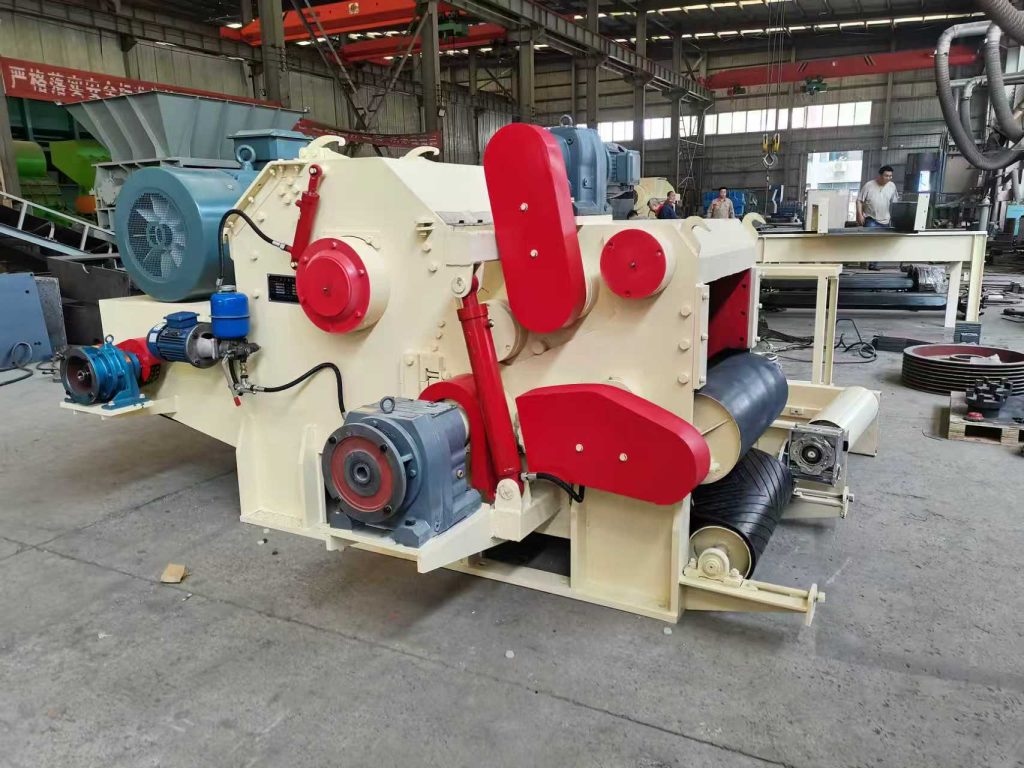
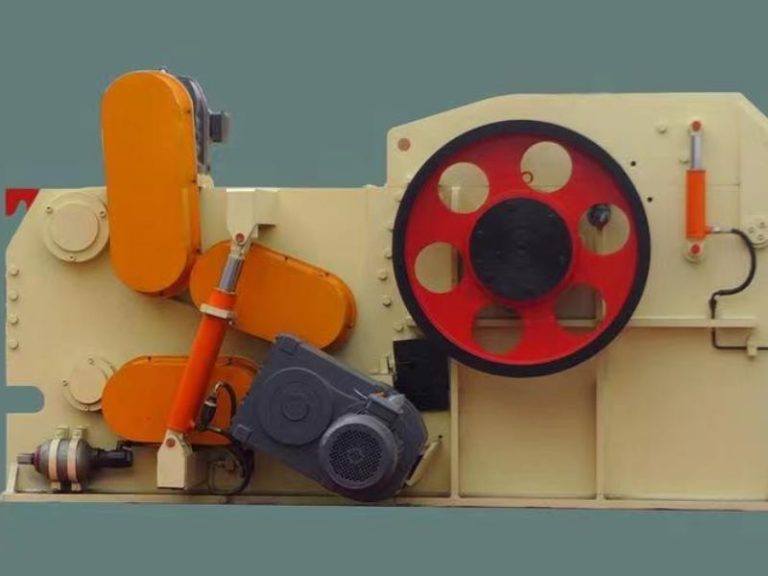
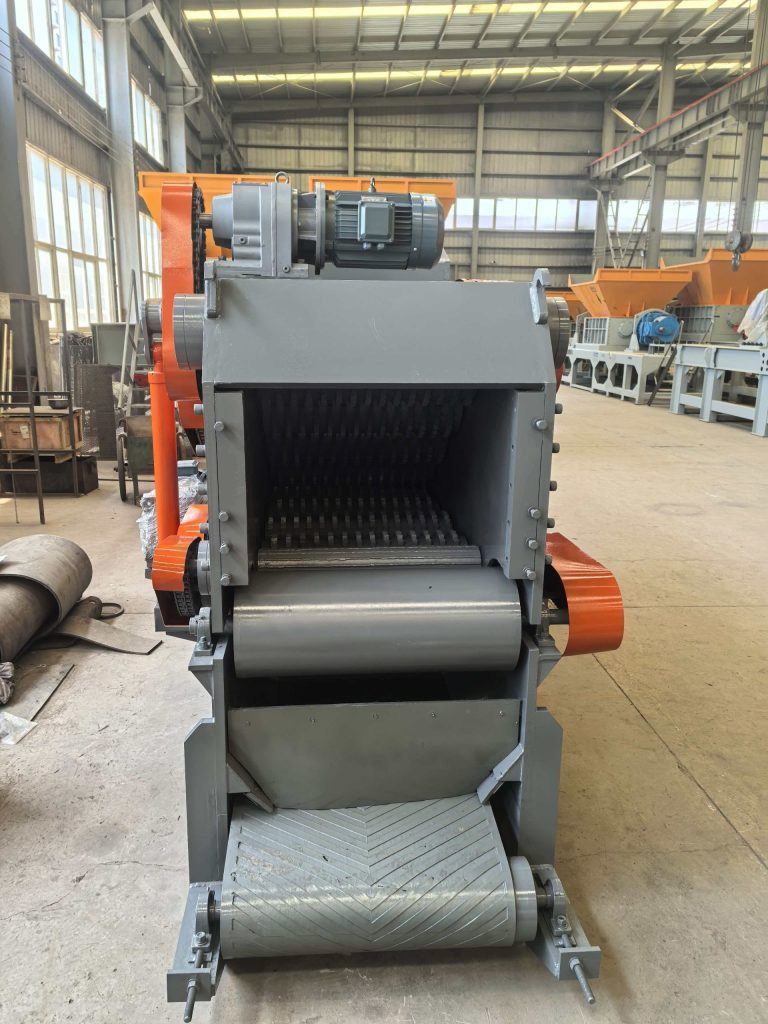
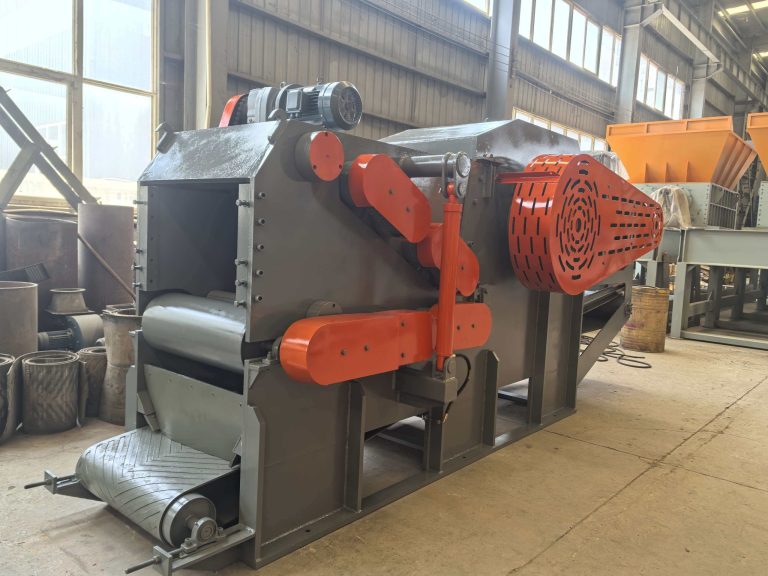
Besides, With two, three, or four fly knives; these knives are secured to the drum using specially manufactured bolts and pressure blocks. Depending on the varying thickness of the raw material being processed, the upper feed roller assembly can be hydraulically adjusted to float vertically within a specific range. Properly sized cut material passes through the screen perforations and is discharged from the bottom of the machine, while oversized material remains inside to undergo further cutting.
Moreover, it’s Hydraulic System: Powered by an oil pump supplying the hydraulic cylinders, the system enables the opening of the machine hood to facilitate blade replacement. Additionally, during maintenance, the upper feed roller assembly can be lifted to simplify the adjustment of the clearance between the fly knives and the bed knife, as well as the installation and removal of the comb plate.
Key Features
Optimized design ensures reliable operation and high-quality chip output.
Processes logs, branches, slab wood, veneer waste and other biomass materials.
User-friendly design with convenient servicing and stable long-term running.
Product Parameters
| Model | Power(Kw) | Qty of fly knives | Inlet size(mm) | Output Chip size(mm) | Capacity(m³/h) | Max Diameter | Dimensions(mm) |
| JP216 | 55 | 2 | 230*500 | 30 | 5 | 23cm | 3200×2100×1400 |
| JP218 | 110 | 2 | 300*680 | 30 | 8-10 | 25cm | 3600×2700×1650 |
| JP2110 | 132 | 3 | 300*750 | 30 | 12-15 | 35cm | 3600×2700×1650 |
| JP2113 | 250 | 4 | 450*700 | 38 | 18-20 | 45cm | 6000×2700×2000 |
Performance
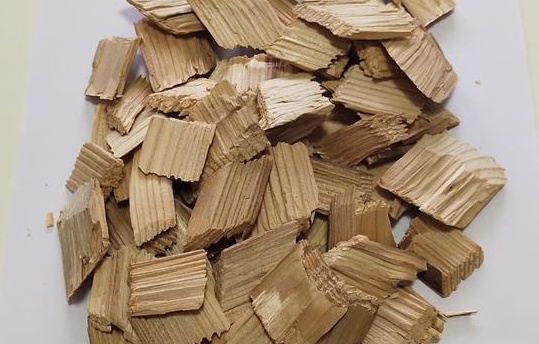
On-site
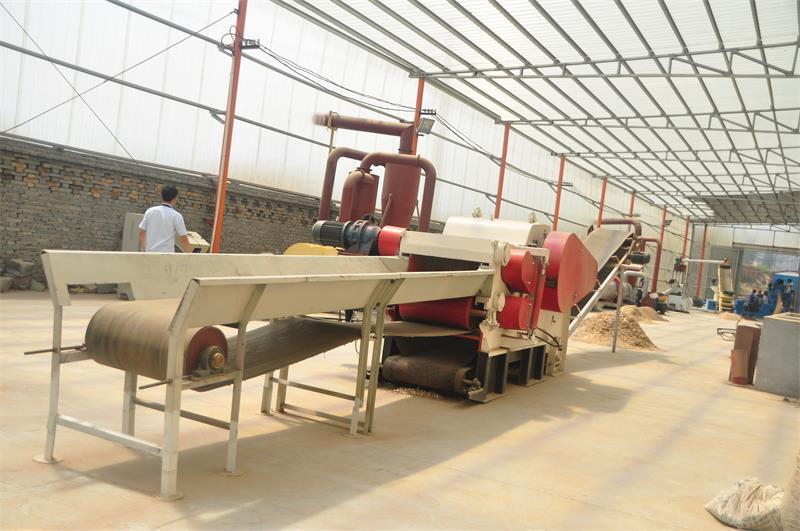
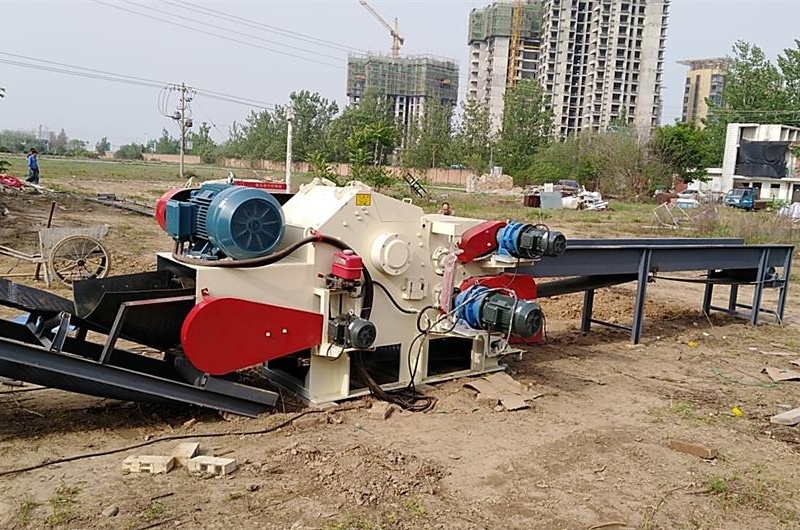
Frequently Asked Questions (FAQ) for JP Series Drum Wood Chipper
1. What is the primary difference between a Drum Chipper and a Disc Chipper?
Drum chippers, like our JP series, are designed for high-volume processing and versatility. They use a heavy rotating drum equipped with fly knives to pull in and shear material. Compared to disc chippers, drum chippers are better suited for handling various raw materials, including large logs, slabs, branches, and even bamboo or wood waste.
2. What range of capacities does the JP series offer?
Our lineup covers everything from small-scale operations to massive industrial plants. The JP216 offers a steady output of 12 m3/hm3/h, while our flagship JP2120 can reach an incredible 190 m3/hm3/h, making it ideal for large-scale biomass power plants and paper mills.
3. How does the number of fly knives affect performance?
The quantity of fly knives (ranging from 2 in the JP216 to 6 in the JP2120) directly impacts the chipping frequency and capacity. More knives allow the machine to process material faster and more smoothly. For example, the JP2118D uses 3 knives to achieve a higher capacity (38 m3/hm3/h) compared to the standard 2-knife JP218.
4. Can I adjust the size of the final wood chips?
Yes. While the standard output chip size is 30mm or 38mm, the final size can be adjusted by changing the mesh size of the internal screen and adjusting the distance between the fly knives and the dead knife (bed knife).
5. What is the maximum log diameter the JP2120 can handle?
The JP2120 features a massive inlet size of 850*1250 mm. This allows it to swallow large logs and bulky wood waste up to approximately 700-800mm in diameter, significantly reducing the need for manual pre-splitting.
6. What kind of power supply is required for these machines?
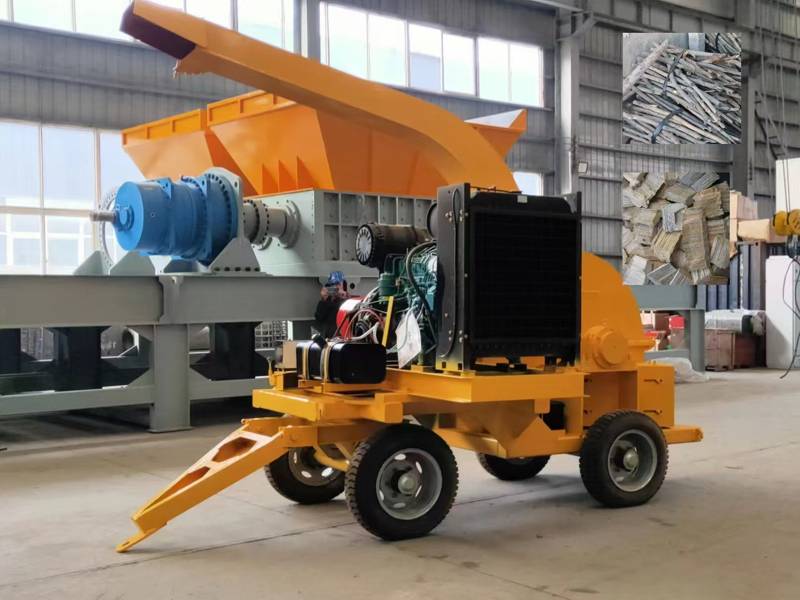
The JP series equipped with electric-power, ranging from 55kW for the JP216 to a high-voltage 800kW motor for the JP2120. For remote forestry sites without access to the grid, we can also provide diesel engine configurations for certain models.
7. Is the feeding system automated?
Yes, all JP series drum chippers provide a heavy-duty hydraulic feeding system. The upper feed roller can move up and down automatically depending on the thickness of the material, ensuring a steady and forced feeding process to prevent jams.
8. What industries are these drum chippers best suited for?
These machines are the “backbone” of several industries:
*Biomass Power Plants: For producing fuel chips.
*Paper Mills: For high-quality pulp wood chips.
*Particleboard/MDF Factories: For consistent raw material production.
*Wood Pellet Plants: As the initial stage of material size reduction.
9. How durable are the fly knives and how often should they be replaced?
Our fly knives are made from high-quality alloy steel (such as H13 or A8) and are heat-treated for maximum longevity. Depending on the wood type (hardwood vs. softwood) and cleanliness (sand/dirt content), blades typically need to be sharpened every 8–16 hours of continuous use.
10. What safety features are included in the JP series?
Safety is our priority. Our chippers include:
#Overload Protection: Automatic reverse feeding if the motor detects a spike in resistance.
#Emergency Stop: Strategically placed buttons for immediate shutdown.
#Safety Interlocks: Prevents the machine from starting while the drum cover is open for maintenance.
11. Is the JP218 suitable for producing boiler fuel for the textile industry?
Absolutely. The JP218 is a popular choice for textile printing factories (e.g., in Pakistan and SE Asia) that need to generate steam. It processes wood logs up to 250mm into uniform 30mm chips, providing high-efficiency, low-cost biomass fuel for industrial boilers. Its 10-12 t/h capacity ensures a steady energy supply for 24/7 production.
Success Case / Application Scene
- Challenge: A leading textile factory in Pakistan needed to generate 10 tons of wood chips per hour to power their steam boilers for fabric printing, replacing high-cost fuel.
- The Solution: According to client’s requirements, we strongly recommended the JP218 Drum Wood Chipper. Its 250mm feeding capacity and 110kW high-torque motor perfectly matched their 150-200mm raw materials.
- Key Result: The JP218 achieved a steady 8-10 t/h output, providing consistent, high-quality biomass fuel that ensured stable steam pressure for 24/7 textile production.